Thailand Pediatric Dentistry for Toddlers and Young Children
Thailand Pediatric Dentistry for Toddlers and Young Children
Raising little ones in Thailand comes with plenty of smiles—mango season treats, weekend outings, and school activities—but those smiles need proper care from the very first tooth. Pediatric dentistry here is well-developed, with many child‑friendly clinics and hospital departments used to looking after toddlers and young children, including bilingual families. If you’re wondering when to start, what services to expect, and how to choose the right pediatric dentist in Bangkok, Chiang Mai, Phuket, or upcountry, this guide walks you through it in a relaxed, practical way.
Why early dental care matters
Baby teeth are small but mighty. They help children chew, speak clearly, and hold space for adult teeth. In Thailand, where snacks and sweet drinks are easy to find at 7‑Eleven and school canteens, early habits count. Frequent sipping on sweetened milk tea or juice, especially from a bottle, raises the risk of early childhood caries. Starting dental visits early means you can catch issues before they turn into bigger (and pricier) jobs.
When to bring your child for the first visit
Dentists in Thailand generally recommend a first check‑up when the first tooth appears or by the first birthday. After that, visits every six months are common, though your dentist may set a schedule based on your child’s risk. If your toddler is a frequent snacker, uses a bottle at bedtime, or has visible spots on teeth, don’t wait—book sooner rather than later.
What a pediatric visit looks like in Thailand
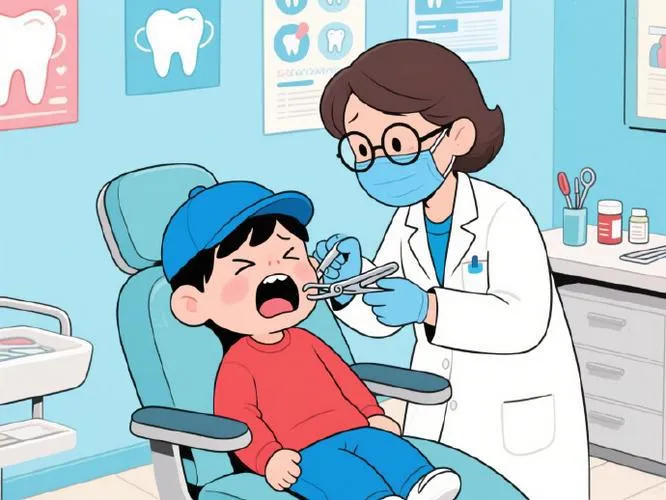
Many pediatric dental clinics are designed to be sanuk (fun) for kids. Expect:
- A welcoming, play‑centric waiting area with books or toys
- Friendly staff who explain steps in simple Thai or English
- “Tell‑show‑do” techniques to build trust
- Cartoons on the ceiling or TV during treatment in some clinics
You’ll also find English‑speaking pediatric dentists in larger cities, especially near BTS/MRT lines and international schools. In provincial areas, hospital dental departments often have pediatric services, with fees that are more budget‑friendly than private clinics.
Common services for toddlers and young children
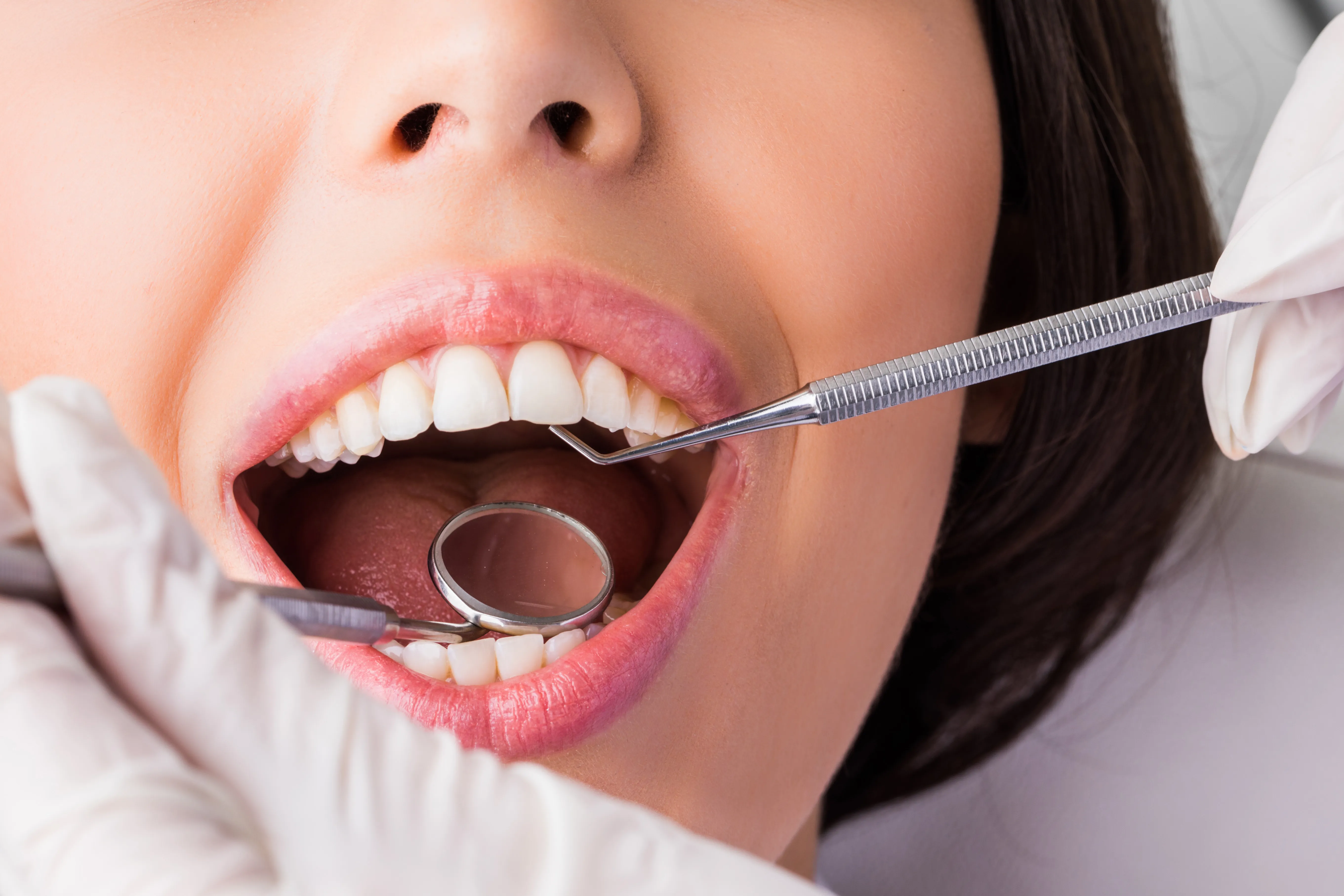
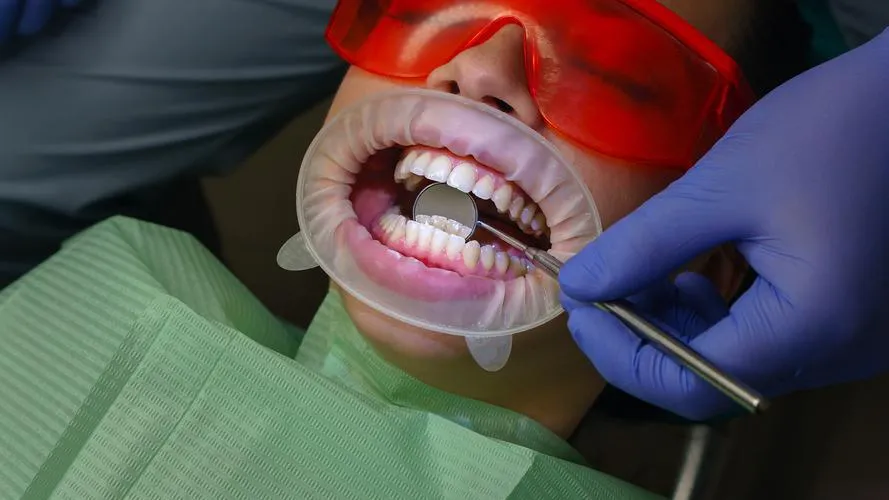
- Routine check‑ups and cleanings: Short visits focusing on comfort and prevention.
- Fluoride varnish: A quick, painted-on fluoride to strengthen enamel—very useful in kids who snack often or drink sweet drinks.
- Fissure sealants: Thin coatings on the biting surfaces of molars to prevent decay once those teeth erupt.
- Tooth‑colored fillings: To fix small cavities in a natural-looking way.
- Stainless steel crowns: Durable caps used for bigger cavities on baby molars.
- Space maintainers: If a baby tooth is lost too early, to keep space for the adult tooth.
- Habit and diet counseling: Gentle guidance on bottles, pacifiers, thumb sucking, and how to manage sweets.
- Emergency care: Managing falls, chipped teeth, or dental pain—quite common with active little ones.
Are sedation options available?
For very anxious children or longer procedures, selected clinics and hospitals offer nitrous oxide (laughing gas) or, in hospital settings, deeper sedation managed by an anesthesiology team. Not every clinic has these services, so ask in advance if you think your child may need them.
Choosing a pediatric dentist in Thailand
A good match makes all the difference. Consider:
- Location and convenience: Near your condo, on your soi, or close to BTS/MRT for easy rides during Bangkok traffic.
- Credentials: Look for a board‑certifi
ed pediatric dentist (often listed as DDS, MDS [Ped Dent]) and verify with the Dental Council of Thailand if needed.
- Child‑friendly environment: A calm, patient team using positive language and behavior guidance.
- Language: If you prefer English, call ahead to check availability.
- Hospital vs clinic: Public hospitals and university hospitals often have lower fees and comprehensive care; private clinics offer shorter queues and more flexible hours.
- Communication: Many Thai clinics take bookings via phone, website, Line, or Facebook—handy for busy parents.
Costs and coverage
Fees vary by location and setting. Public hospitals usually offer lower fees with longer queues; private clinics cost more but save time. Thai citizens may have coverage for basic dental treatments under national schemes, while company social security or private insurance may reimburse part of the costs. For expat families, check your policy for pediatric dental benefits. It’s perfectly normal to ask for a treatment plan and quotation before starting.
How to prepare your child for the appointment
- Book morning slots when your child is fresh and less likely to be cranky.
- Keep it positive. Say “The dentist will count your teeth and clean them,” rather than “Don’t worry, it won’t hurt.”
- Practice at home with a toothbrush “check‑up” and opening wide.
- Bring a familiar toy or comfort item.
- Avoid sugary snacks or milk just before the visit; a light rinse with water is fine.
- If your child is sick or very tired, reschedule so the experience stays pleasant.
Daily care at home that fits Thai lifestyles
- Brush twice a day with a smear (for under 3) or pea‑sized amount (3–6) of fluoride toothpaste. Because many families drink bottled or filtered water, fluoride toothpaste is especially important.
- Start flossing when teeth touch.
- Keep bottles out of the bedtime routine. If needed, switch to plain water only.
- Set “snack windows” instead of grazing all day. Frequent nibbling keeps sugar levels up and teeth at risk.
- Rinse with water after sweets or sticky foods.
- Choose local fruits and snacks wisely—fresh fruit is better than candies and sweet drinks; serve fruit with meals to keep snacking frequency down.
- Ask about school dental programs—some Thai schools partner with dental teams for check‑ups.
Frequently asked questions
- Are X‑rays safe for kids? Dentists use low‑dose digital X‑rays only when necessary and cover your child with a lead apron and thyroid collar.
- Will my child’s dentist speak English? In Bangkok, Chiang Mai, Phuket, and other major cities, many pediatric dentists are comfortable in English. Call or message via Line to confirm.
- How often should my child see the dentist? Every six months is common, but your dentist may set a personalized schedule based on risk.
- What if my child knocks a tooth? For a baby tooth, see a dentist promptly but don’t try to re‑implant it. For a permanent tooth (usually from around age 6+), place it back gently if you can, or store in cold milk and head to a dentist or hospital immediately.
The bottom line
Pediatric dentistry in Thailand blends warm, child‑centered care with accessible services across public hospitals and private clinics. Start early, keep visits regular, and work with a dentist who communicates well with your family. With consistent home care and a friendly clinic on your side, your little one’s smile can stay bright from nursery through primary school—and beyond.