Thailand Pediatric Dentistry Clinics Providing Excellent Patient Support
Thailand Pediatric Dentistry Clinics Providing Excellent Patient Support
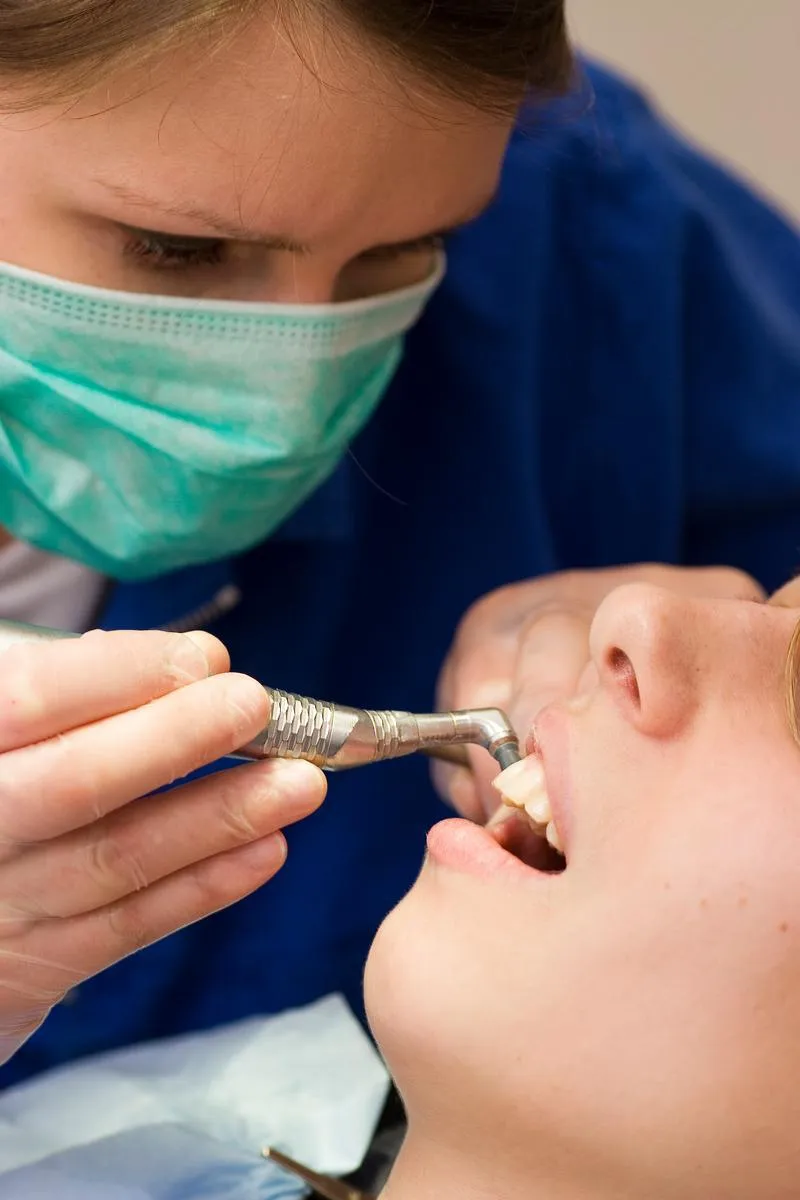
If you ask parents in Thailand what matters most in children’s dental care, you’ll hear the same thing again and again: a gentle doctor, a friendly team, and a clinic that looks after the whole family from the moment you walk in. Across Bangkok, Chiang Mai, Phuket, and beyond, pediatric dentistry clinics in Thailand are building their reputation on excellent patient support—mixing clinical skill with a sabai-sabai atmosphere that helps kids relax and even enjoy their visit.
What makes pediatric dental care here stand out is the Thai touch: warm greetings, soft voices, and a very calm approach that reduces anxiety. Many clinics use a “tell–show–do” method, explaining procedures in simple words, showing the tools gently, and only then doing the treatment. Kids get to choose cartoon shows, hold soft toys, and receive stickers after their visit. It’s not just cute; it’s effective behaviour management that builds trust and prevents fear.
Friendly systems that work for families
- Easy booking: Most clinics accept appointments through LINE, phone, or a quick web form. For hospital-based pedo units, you may need to take a queue number at registration; private clinics usually give you a fixed time slot.
- Convenient hours: Many clinics open after school and on Saturdays. Some are closed on major public holidays, so it’s good to check ahead.
- Clear communication: In Bangkok, Chiang Mai, and Phuket, you’ll often find English-speaking pediatric dentists and receptionists, helpful for expat and international school families. Staff are used to explaining steps to “mum and dad” and to “khun dek” in a calm Thai-English mix that keeps everyone on the same page.
- Payment options: Cash, cards, and QR PromptPay are commonly accepted. Clinics often share a price list and will tell you cost estimates before treatment. Look out for school-holiday promotions for check-ups, cleaning, and fluoride.
Child-friendly design and anxiety control
Pediatric clinics in Thailand go all in on creating a child-friendly environment. Bright murals, play corners, and TV screens over the dental chair help little ones feel relaxed. Clinicians are trained in behaviour guidance techniques—positive reinforcement, modelling with a toy mouth, and using kid-sized instruments for comfort. For children with high anxiety or special healthcare needs, clinics may offer:
- Nitrous oxide (“happy gas”) for mild relaxation
- Oral sedation when appropriate
- Hospital-based general anaesthesia for complex cases, carried out by a pediatric dentist with an anaesthesia team
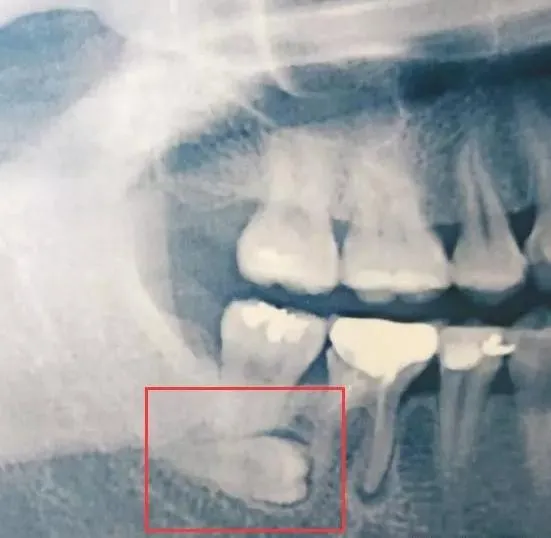
These options are discussed carefully with parents, and consent is always clearly documented. Safety is front and center: autoclave sterilisation, PPE, and digital X-rays with low radiation are standard practice. You’ll often see professional licenses displayed at reception—look for a Thai Dental Council certificate and, when available, a board-certified pediatric dentist (often listed as Pedodontist or “ทันตแพทย์เด็ก”).
Preventive care tailored to Thai lifestyles
Good pediatric dentistry in Thailand focuses on prevention. Expect clinics to emphasise:
- Regular check-ups every six months
- Professional cleaning and fluoride varnish to strengthen enamel
- Fissure sealants on molars to protect deep grooves
- Diet coaching that fits local habits: managing sweet drinks, boba, and sticky snacks like khanom; rinsing after sticky rice or dried fruit; and choosing tooth-friendly options for school breaks
- Home care tips that actually work for Thai families: brushing after dinner and before bed, small-headed soft brushes, and rice-grain-sized fluoride toothpaste for toddlers
Parents are part of the team. Many clinics invite guardians to sit in during treatment, especially for younger children. For teens, staff often speak directly to the patient (with parents nearby) to build independence and good habits.
Comprehensive services under one roof
The best pediatric dentis
try clinics in Thailand offer a full range of children’s dental care:
- First tooth to first grade: infant exams, teething guidance, instructions on cleaning baby gums and teeth, and habit counselling (thumb sucking, pacifiers)
- Restorative care: tooth-colored fillings, stainless steel crowns for baby molars when needed, space maintainers if a tooth is lost early
- Early orthodontic assessment: monitoring of jaw growth, crossbite checks, and interceptive appliances when indicated
- Emergency care: same-day attention for toothaches, knocked-out teeth, and mouth injuries—important with active kids and school sports
- Special needs dentistry: quiet appointment slots, desensitisation visits, and custom care plans in coordination with paediatricians or therapists
Choosing the right clinic
With so many options in Thailand, here’s how families usually decide:
- Location and access: In Bangkok, clinics along BTS/MRT lines (Sukhumvit, Sathorn, Ari) make life easier. In Chiang Mai, Nimman and central areas are convenient. Parking can be tight in some sois, so confirm before you go.
- Pediatric credentials: Ask if the primary dentist is trained in pediatric dentistry and about their experience with anxious children or special needs.
- Communication style: A quick chat on LINE can tell you how fast and friendly the team is. If you need English, confirm before booking.
- Approach to pain control: Look for clinics that use topical anaesthetic, small needles, and child-friendly techniques. Many will explain, “numbing gel first, then we go slowly—no rush.”
- Transparent fees: Request a written estimate and ask about alternatives. Thai clinics are used to explaining options and respecting family budgets.
Public vs private options
Thailand offers both public hospital dental departments and private pediatric clinics. Public facilities can be more affordable, with structured queue systems and set clinic days for children. Private clinics tend to have shorter waiting times, more play-focused spaces, and wider language support. Some insurance plans and company benefits work directly with certain clinics; otherwise, clinics can issue receipts for reimbursement.
A typical first visit flow
- Friendly welcome and wai greeting
- Short chat about medical history and dental habits
- Quick tour for the child—meet the chair, see the mirror, choose a cartoon
- Gentle exam and cleaning if the child is comfortable
- Fluoride varnish and a simple explanation: “We paint vitamins for teeth.”
- Treatment plan discussion with mum or dad, with photos from an intraoral camera so you can see exactly what the dentist sees
- Sticker, small toy, and appointment card for the next visit
Tips for parents to make visits smooth
- Book a morning slot when your child is fresh and not too sleepy or hungry.
- Keep snacks light before the appointment; avoid sugary drinks.
- Use positive words: “The dentist will count your teeth and make them clean.” Avoid scary terms.
- Bring a favourite soft toy or blanket.
- Practice at home: a quick role-play with a spoon as a “mirror” can make the clinic feel familiar.
Why families keep coming back
The blend of clinical quality and Thai-style kindness is what puts Thailand’s pediatric dentistry clinics on the map. Dentists here understand that baby teeth matter for speech, chewing, and confidence. They know how to turn a first visit into a sanook experience—one that builds lifelong habits rather than fear. With modern equipment, clear pricing, convenient booking, and staff who truly care, families in Thailand can expect children’s dental care that is safe, gentle, and consistently supportive from start to finish.
Whether you’re a local parent in Bangkok or a farang family newly settled in Chiang Mai, you’ll find that pediatric dentists in Thailand take the time to listen, explain, and comfort. It’s excellent patient support, Thai style: calm, caring, and effective for every little smile.