Thailand Pediatric Dentistry Clinics Offering Dental Sealants for Kids

Thailand Pediatric Dentistry Clinics Offering Dental Sealants for Kids
If you’re a parent in Thailand looking to keep your child’s smile healthy and cavity‑free, you’ll hear pediatric dentists talking about dental sealants. These thin, protective coatings are a simple, kid‑friendly way to prevent tooth decay, and they’re widely available at pediatric dentistry clinics across Thailand—from Bangkok and Chiang Mai to Phuket and Khon Kaen. Here’s what to know, how the process works, how to choose a clinic, and what kind of cost to expect.
What dental sealants are and why they matter
Dental sealants (often called fissure sealants) are a clear or tooth‑coloured resin painted onto the deep grooves on the chewing surface of molars and premolars. Those grooves are where food and bacteria tend to hide, even if your child brushes well. The sealant forms a smooth shield so plaque can’t settle in. Unlike fillings, which repair a cavity after damage has been done, sealants help stop decay before it starts.
Pediatric dentists in Thailand typically recommend sealants when the first permanent molars erupt around ages 6–8, and again when the second molars come in around ages 11–13. Some clinics also place sealants on high‑risk baby molars if the dentist thinks your child will benefit.
What the appointment is like
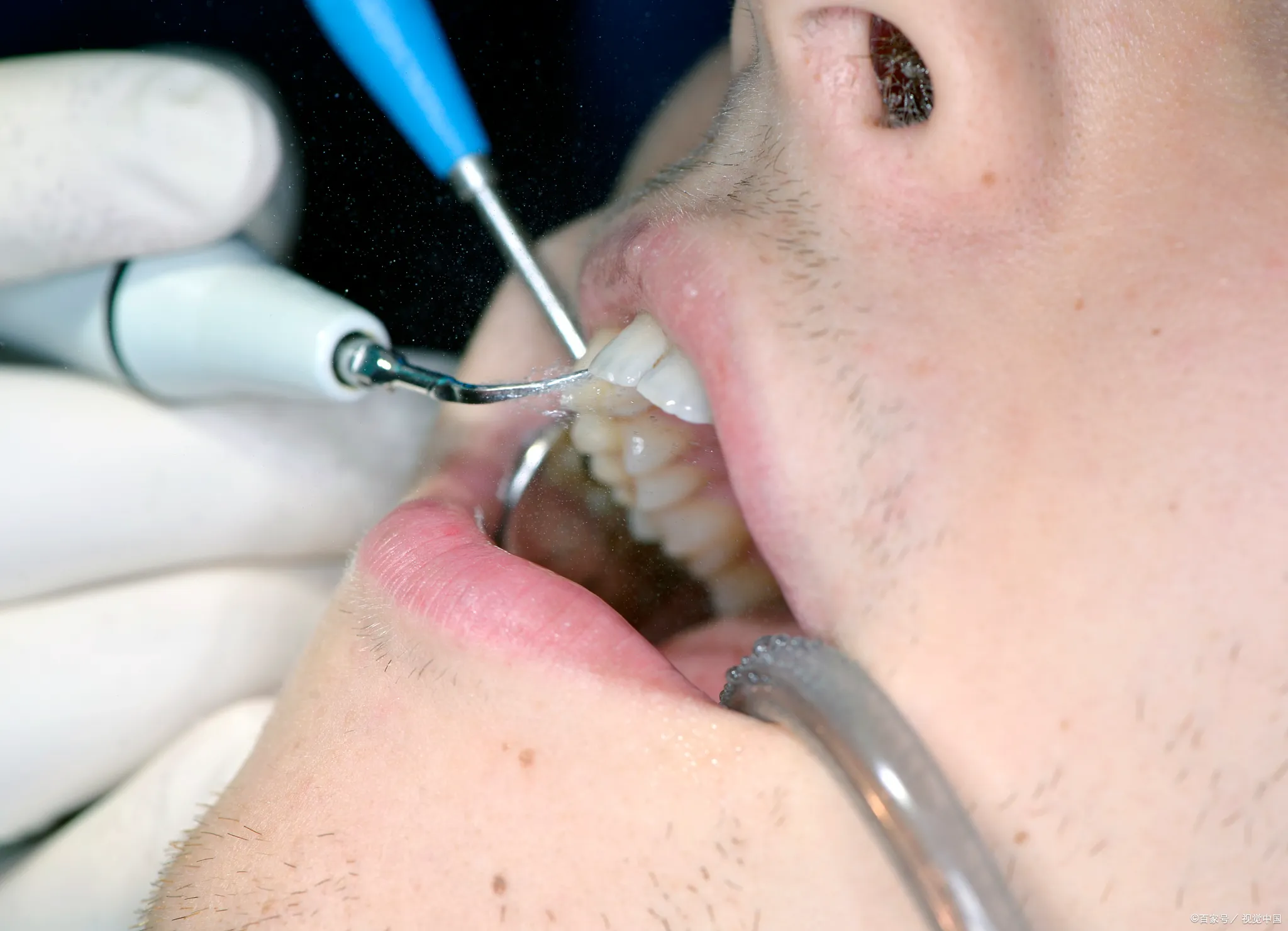
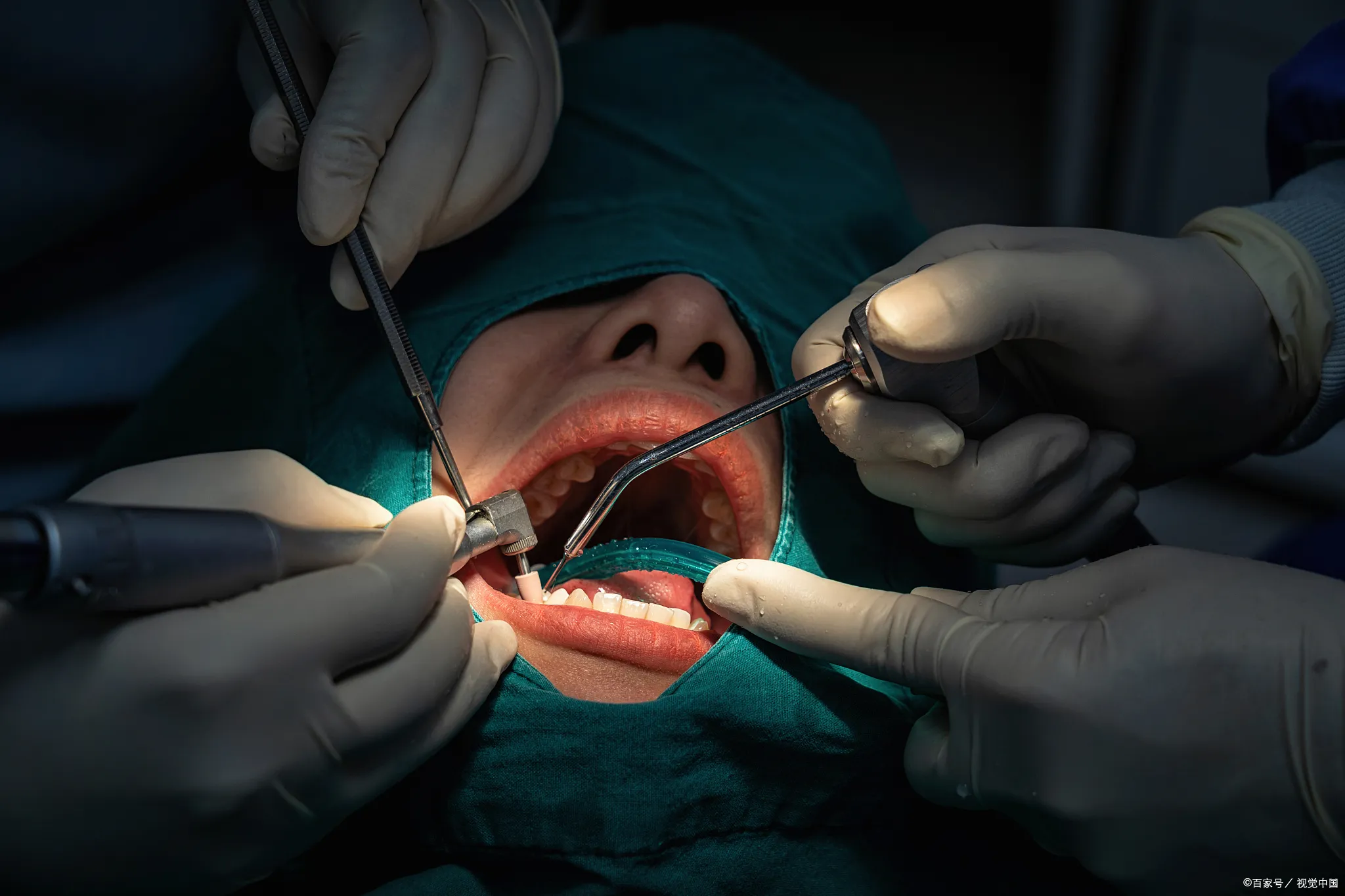
Good news for nervous kiddos: placing sealants is quick and painless—no injections and no drilling in most cases. A typical visit goes like this:
- The dentist or hygienist cleans the tooth surface and keeps it dry with cotton rolls or a rubber dam.
- A gentle gel (etchant) is applied for a few seconds to help the sealant bond.
- The tooth is rinsed and dried thoroughly.
- The sealant is brushed onto the grooves and cured with a small blue light.
- The bite is checked to make sure everything feels comfortable.
Each tooth takes only a few minutes. After the appointment, your child can eat and drink as normal. Some clinics advise avoiding very hard or sticky foods just for the rest of the day. During regular check‑ups every 6 months, the dentist will check if the sealants are still intact and top them up if needed.
Benefits you can expect
- Strong cavity protection on chewing surfaces, where most kids’ decay starts
- Completely painless and non‑invasive
- Affordable preventive care compared with the cost of fillings or crowns
- Works well alongside fluoride varnish, good brushing, and a sensible snack routine
Where to find pediatric dentistry services in Thailand
You’ll find child‑friendly clinics throughout the country. Options include:
- Private pediatric dental centres in Bangkok (near BTS or MRT stations for easy access), Chiang Mai, Phuket, Pattaya, and other major cities
- Hospital‑based dental departments within leading private hospitals
- University dental hospitals and teaching clinics (for example, faculties of dentistry in Bangkok and other provinces), which may offer more budget‑friendly appointments with supervision by specialists
Many clinics encourage booking via Line or Facebook, and most have bilingual staff who can communicate in Thai and English. Weekend and after‑school slots are common, though high‑demand clinics can get full quickly, so it’s a good idea to book in advance rather than walk in.
How to choose the right clinic for your child
- Check credentials: Look for a board‑certified pediatric dentist (specialist status recognised by the Thai Dental Council). Clinics often list doctors’ profiles on their website or Facebook page.
- Child‑friendly environment: Play corners, cartoons on the ceiling TV, and staff trained in the tell‑show‑do technique make a huge difference for first‑timers.
- Materials and technique: A
sk whether the clinic uses resin‑based light‑cured sealants, isolation to keep the tooth dry, and rubber dam when suitable—these factors improve longevity.
- Behaviour support: For very anxious children, ask about nitrous oxide (laughing gas) or other behaviour management options. Not every clinic offers sedation, so check when booking.
- Sterilisation and safety: Reputable clinics follow strict infection‑control protocols, including instrument autoclaving and single‑use disposables where indicated.
Typical fees and insurance notes
Fees vary by city, clinic type, and the tooth being treated. As a general guide:
- Private clinics: around 800–2,500 baht per tooth
- Hospital or specialist centres: often within the same range, sometimes higher for complex cases
- University or public clinics: around 400–1,200 baht per tooth
- Consultation/exam fees: commonly 300–800 baht, sometimes waived with treatment
If your child needs nitrous oxide or other special behaviour management, there may be additional charges. Many local dental insurance plans focus on basic treatment and may not cover preventive sealants, while some international or expat policies do reimburse preventive care. The Social Security scheme generally supports basic dental services; coverage for sealants varies—best to check with your insurer or ask the clinic to verify benefits before your visit.
How long do sealants last?
With proper placement and good oral hygiene, sealants often last several years. Chewing wear and tear can chip them over time, especially if your child enjoys very hard snacks. That’s why regular check‑ups are important. If a sealant is partially lost, the dentist can repair or reapply it quickly.
Are sealants safe?
Yes. Dental sealants have been used worldwide for decades and are considered safe for children. The materials used are similar to white fillings but are applied very thinly on the tooth surface. If you have concerns about materials, simply ask your pediatric dentist; clinics in Thailand are happy to explain brands and safety standards.
Tips to make your child’s first sealant visit smooth
- Book a morning slot if possible—kids are fresher and more cooperative before lunch or nap time.
- Keep pre‑visit talk light and positive. Let the clinic do the explaining in kid‑friendly language.
- Bring a favourite toy or let your child choose a cartoon to watch if the clinic offers screen time.
- Pair the visit with a fun reward afterwards—snack choices can still be healthy and sanuk.
Beyond sealants: a whole‑mouth approach
Sealants protect grooves, but they aren’t a magic shield for the entire mouth. A good routine still matters:
- Brush twice daily with a pea‑size amount of fluoride toothpaste; help your child until they have good hand skills (usually around age 7–8).
- Floss where teeth touch.
- Limit frequent snacking on sweets and sticky foods; keep water as the main drink between meals.
- Visit the dentist every 6 months for check‑ups, cleanings, fluoride varnish, and to monitor jaw and tooth development.
The bottom line
Pediatric dentistry clinics in Thailand offer accessible, gentle, and professional care for children, and dental sealants are one of the simplest preventive treatments available. Whether you’re in Bangkok near the BTS, upcountry in Chiang Mai, or by the beach in Phuket, you can find a child‑friendly clinic that understands local lifestyles, communicates clearly, and gives your kiddo a positive start with oral health. Ask about sealants at your next check‑up—you may be surprised how quickly a small preventive step can make a big difference for your child’s smile.