Thailand Pediatric Dentistry Services for School Age Children
Thailand Pediatric Dentistry Services for School Age Children
Keeping school-age children healthy and confident starts with a bright smile. In Thailand, pediatric dentistry services are well developed and easy to access, whether you live in Bangkok, Chiang Mai, Phuket, or upcountry. From routine dental check-ups to preventive sealants and early orthodontic care, parents can find child-friendly care that fits the school timetable and family budget.
Why school-age dental care matters
From about age 6 to 12, children have a mix of baby teeth and new permanent teeth. This is the window when first molars erupt (often called the “six-year molars”) and when habits form. With sweet drinks, after-school snacks, and busy schedules, tooth decay can start quickly. Regular dental visits in Thailand help protect permanent teeth, guide jaw growth, and prevent small issues from becoming bigger problems.
Core pediatric dentistry services in Thailand
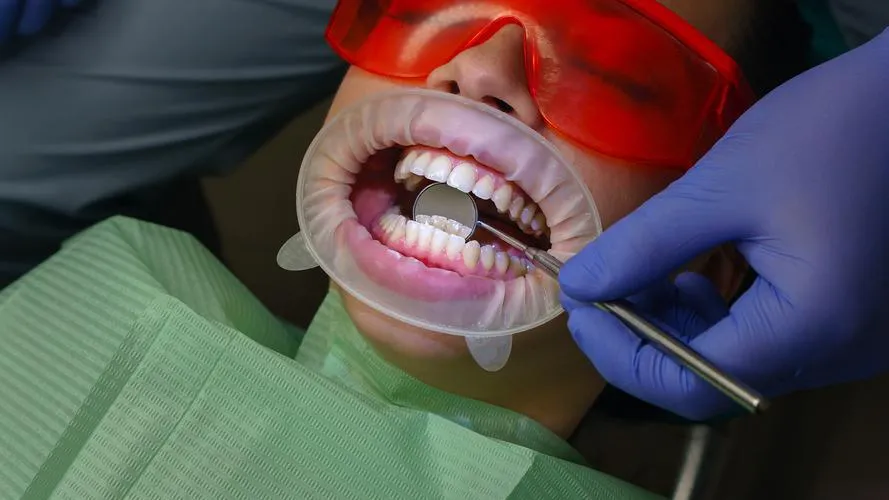
- Routine check-up and cleaning: A visit every six months helps spot early cavities, gum inflammation, or bite problems. Most clinics will do scaling suited for children and polishing, with gentle explanation to make kids feel safe.
- Fluoride varnish: Many Thai clinics apply high-concentration fluoride varnish to strengthen enamel, especially for kids with sweet drinks or braces. It’s fast and child-friendly.
- Fissure sealants: Protective coatings on the chewing surfaces of molars reduce cavities. First molars around age 6–7 and second molars around 11–13 are common targets. Sealants are a big part of preventive dentistry in Thailand’s public and private sectors.
- Fillings and crowns: If a cavity is found, tooth-coloured fillings are common. For larger decay in baby molars, stainless steel crowns may be recommended to keep chewing function until the tooth naturally falls out.
- Pulp therapy and extractions: When decay reaches the nerve, pulpotomy or pulpectomy can save a baby tooth. If removal is needed, dentists manage it gently to minimise fear.
- Space maintainers: If a baby tooth is lost early, a small device keeps the gap open so a permanent tooth can come in properly.
- Orthodontic screening: Pediatric dentists and orthodontists provide early checks for crowding, crossbite, or thumb-sucking effects. Interceptive appliances may guide jaw growth before full braces.
- Sports mouthguards and emergency care: For football, Muay Thai, or PE class, custom mouthguards protect teeth. If a tooth is chipped or knocked, Thai clinics provide quick emergency care.
Where to get care
- Government hospitals and community clinics: Dental departments offer low-cost or free services for Thai children under universal coverage, including check-ups, fillings, fluoride, and sealants. Many schools also have mobile dental units during the term.
- Private pediatric clinics and family dental clinics: In Bangkok and major cities, you’ll find clinics focused on kids, with play corners, cartoons on the ceiling, and dentists trained in behavior management. Many are near BTS/MRT for easy access and open evenings or weekends, convenient for after school.
- International hospitals and dental centres: For families wanting bilingual service or sedation options, large hospitals often have pediatric dental specialists and multidisciplinary care.
What to expect in a Thai pediatric dental clinic
The atmosphere is usually relaxed and friendly—staff speak in a calm tone, and children get stickers or small rewards after treatment. Dentists often use “tell-show-do” to build trust. Local anesthesia is used when needed, and some hospitals or
specialist clinics have nitrous oxide sedation for anxious children, following safety protocols. Infection control is strict, and most clinics communicate appointment details and follow-up via phone, SMS, or Line Official.
Timing your appointments
- Twice-yearly check-ups fit well during term breaks, but many clinics also offer after-school slots on weekdays and extended hours on weekends and public holidays.
- Plan sealants soon after first molars erupt (Primary 1–2 age) and again for second molars around early teens.
- If your child is starting braces, cleaning every 3–4 months is recommended.
Costs and coverage in simple terms
Fees vary by clinic and city, but as a rough guide in private clinics: a check-up and cleaning may be a few hundred to around one thousand baht; fluoride varnish typically a similar range; sealants often charged per tooth; fillings depend on size and material. Stainless steel crowns and space maintainers cost more due to lab and chair time. Government facilities offer many services free or at low cost for Thai citizens under the universal coverage scheme. Some employer or private insurance plans reimburse pediatric dental care; expat families should check policy wording. It’s common in Thailand to ask for a clear treatment plan and estimate before starting—no worry, clinics are happy to explain.
Home care tips that suit Thai lifestyles
- Brush twice daily with fluoride toothpaste (1,000–1,450 ppm). For children under 7, use a pea-sized amount and supervise.
- Limit sweet drinks like bubble milk tea, Thai iced tea, and sweetened soy milk to mealtimes. Encourage plain water after snacks.
- For sticky treats like dried mango or rice crackers, rinse or brush soon after.
- Pack school snacks such as fruit, cheese, or nuts. If your school has a dental certificate request, keep records of visits for easy submission.
- Consider a mouthguard for contact sports or PE if your child has braces.
Handling a dental emergency
- Chipped or broken tooth: Rinse the mouth with clean water, keep the piece if large, and see a dentist as soon as possible.
- Knocked-out permanent tooth: Pick it up by the crown (not the root), gently rinse if dirty, and place it in milk or saline. Seek a dentist immediately—within 60 minutes is best. Do not replant a baby tooth.
- Toothache or facial swelling: Book a same-day appointment. Many clinics have walk-in or urgent slots; calling ahead via Line or phone helps reduce waiting time.
How to choose the right pediatric dentist in Thailand
- Qualifications: Look for a pediatric specialist (often noted as training in pediatric dentistry) or an experienced family dentist comfortable with children.
- Location and access: Near BTS/MRT, with parking, and reasonable travel time from school or home makes follow-ups easier.
- Communication: Friendly staff who explain treatment in simple terms, with clear after-care instructions, is a good sign. Line Official for reminders and questions is commonly used and very convenient.
- Facilities and safety: Child-friendly setup, proper sterilization, and, if needed, safe sedation services in a hospital setting.
- Transparent fees: A written plan with itemised costs avoids surprises.
Thailand’s pediatric dentistry scene is warm, professional, and practical for busy families. With regular check-ups, smart prevention like fluoride and sealants, and timely care during the school years, your child can grow up cavity-free and confident—ready to smile for class photos, sports day, and every milestone ahead.