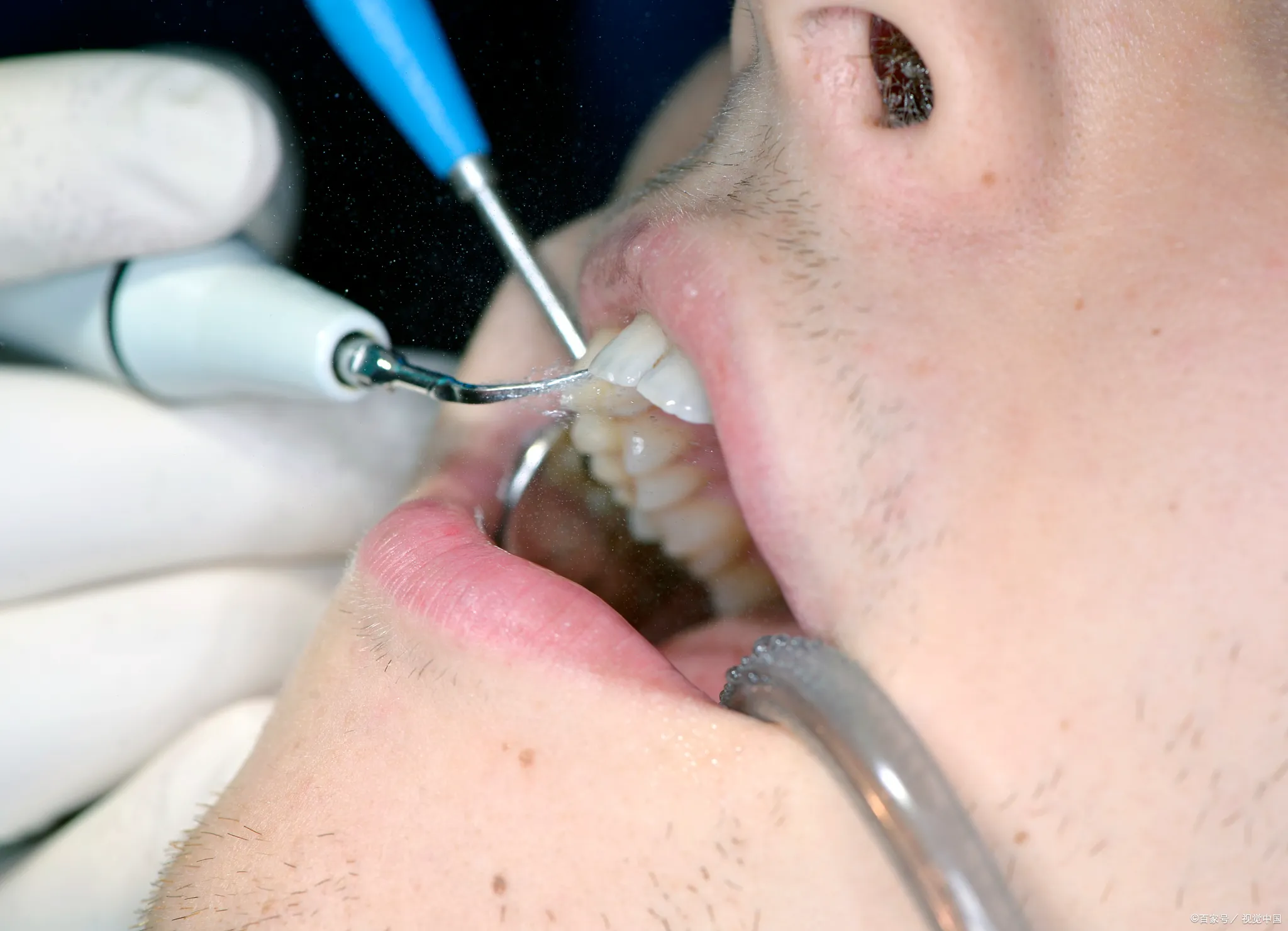
Thailand Pediatric Dentistry Clinics Offering Safe Dental Procedures
Thailand Pediatric Dentistry Clinics Offering Safe Dental Procedures
If you’re raising kids in Thailand, finding a gentle, safe, and reliable children’s dentist is a big deal. The good news is that pediatric dentistry clinics across Bangkok, Chiang Mai, Phuket, Pattaya, and upcountry cities are well set up for little smiles. From strict sterilisation to child-friendly behaviour techniques, Thailand’s pediatric dentists focus on prevention, comfort, and safety at every step. Here’s how to choose the right clinic and what to expect during common procedures.
What “safe” means in a Thai pediatric dental clinic
Safety in kids’ dentistry goes beyond clean tools. Reputable clinics in Thailand follow clear protocols so parents can feel mai bpen rai about each visit:
- Sterilisation and infection control: Look for sealed instrument pouches, chair-side barriers, and an on-site autoclave. Staff should wear gloves, masks, face shields, and change PPE between patients. Single-use items (suction tips, cups, gauze) should be opened fresh.
- X-ray safety: Many clinics use digital sensors with low radiation. Children are provided a lead apron and thyroid collar when indicated. Bitewing or periapical X-rays are taken only when clinically necessary.
- Licensed practitioners: Pediatric dentists (often listed as “Pedodontist” or “Paediatric Dentist”) will display their Dental Council of Thailand registration and certificates. Clinics aligned with hospital systems or following national accreditation standards tend to have strong safety systems.
- Clear consent and communication: Before any procedure, staff explain the plan, options, risks, fees, and after-care in simple English or Thai. You should never feel rushed to decide.
- Sedation protocols: If nitrous oxide (laughing gas), oral sedation, or general anaesthesia is offered, it should be delivered with proper monitoring, emergency equipment on standby, and trained personnel. General anaesthesia is usually in a hospital setting.
Child-friendly environment and behaviour guidance
Thai kids’ clinics are known for being sabai sabai for young patients. Expect bright colours, a play corner, and cartoons on the ceiling TV. Many clinics practice Tell-Show-Do: explain the tool, show how it works, then do the procedure. Positive reinforcement—stickers, small toys, and lots of praise—helps build confidence. Some clinics allow one parent to accompany the child in the room; others may request parents wait outside during certain treatments to improve cooperation. If your child has special needs, ask about ASD-friendly scheduling (quieter times), desensitisation visits, and private rooms.
Common pediatric dental procedures in Thailand
- Check-ups and cleaning: Gentle scaling and polishing tailored for kids, with oral hygiene coaching.
- Fluoride varnish: A quick, safe coating to strengthen enamel and prevent cavities.
- Fissure sealants: Protective resin on molar grooves to reduce decay, especially helpful for school-aged children.
- Tooth-coloured fillings: Resin composite for small to medium cavities; rubber dam isolation is often used for moisture control and safety.
- Stainless steel crowns: Durable crowns for heavily decayed baby molars; often paired with pulpotomy treatment when needed.
- Pulpotomy/pulpectomy: Nerve therapy for baby teeth to remove infection and relieve pain while keeping the tooth as a space holder.
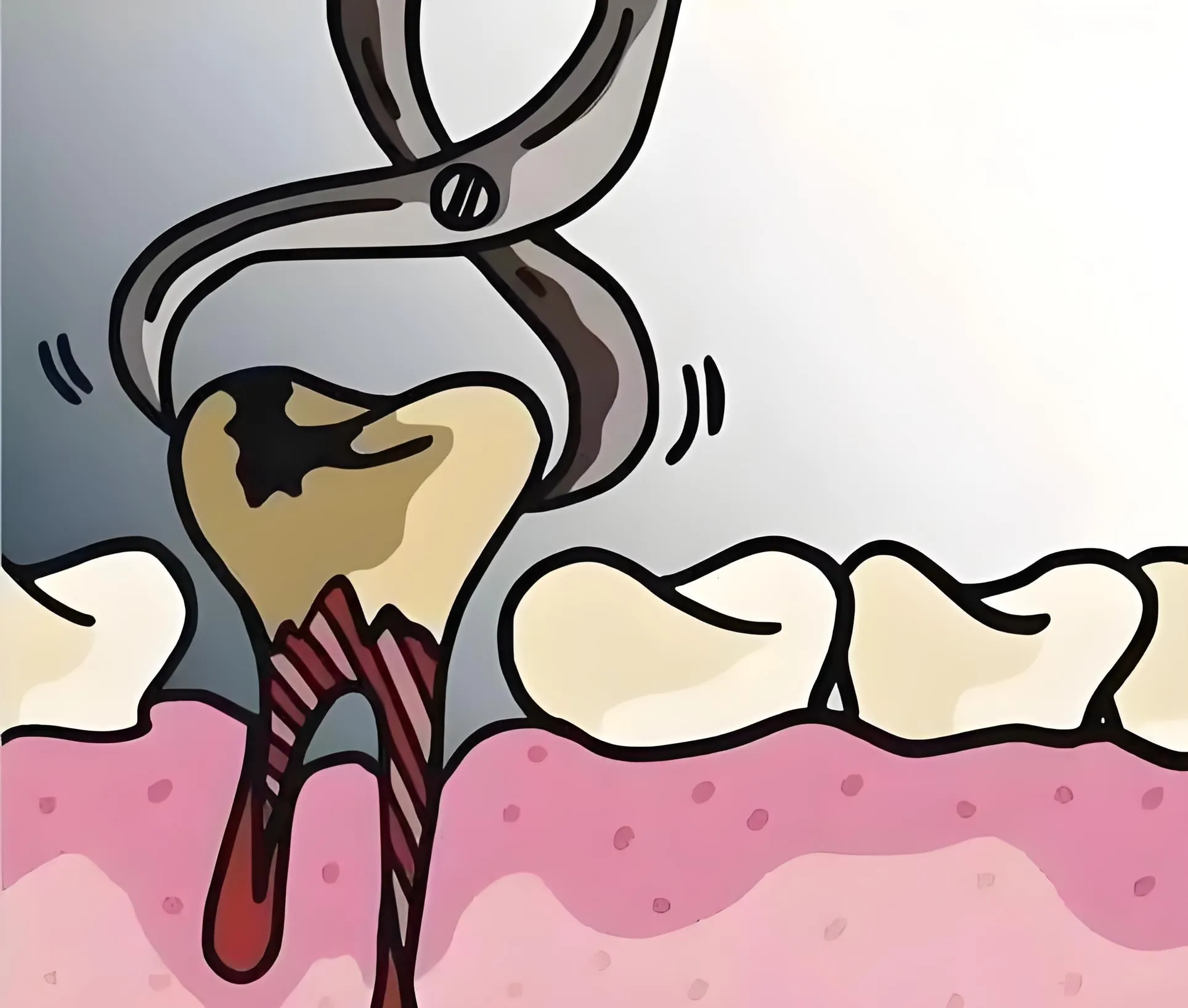
- Extractions and space maintainers: Careful removal when necessary, with devices to keep space for future permanent teeth.
- Early orthodontics: Assessment of bite, expanders, and guidance on when to start braces later on.
- Laser procedures: Some clinics offer laser frenectomy for tongue-tie, which can reduce bleeding and speed healing.
Pain control and anxiety management
Children’s dentists in Thailand take pain control seriously. Numbing gel is used before local anaesthetic, and injections are done slowly to reduce discomfort. For anxious kids
, clinics may offer:
- Nitrous oxide (laughing gas): Light, quick-acting anxiety relief with rapid recovery.
- Oral conscious sedation: For longer or more complex treatments, with careful monitoring.
- General anaesthesia: Reserved for extensive work or very young children, typically performed in a hospital for maximum safety.
After treatment, you’ll receive clear instructions on diet, pain medication (if needed), and follow-up.
How to choose a pediatric dentist in Thailand
- Credentials: Look for a dentist trained in pediatric dentistry (certificates, residency, or master’s degree). Years of experience with kids and special needs patients is a plus.
- Communication: The team should be patient, explain in simple terms, and answer questions without pressure. English-Thai bilingual staff is common in larger cities.
- Facilities: Modern equipment, digital X-rays, rubber dam use, and visible sterilisation practices are good signs.
- Sedation readiness: If you’re considering sedation, ask about monitoring, emergency protocols, and where treatment is performed.
- Policies: Ask if parents can join in the room, how they handle emergencies, and whether they provide same-day appointments for toothaches.
- Convenience: Many clinics accept bookings by phone, Line Official, or Facebook Messenger. Weekend hours and public holiday openings are common in Bangkok.
Typical pediatric dental costs in Thailand
Fees vary by city and whether the clinic is in a private practice or hospital. As a ballpark:
- Check-up and cleaning for kids: around 800–1,500 THB
- Fluoride varnish: 400–1,000 THB
- Sealant (per tooth): 800–1,500 THB
- Tooth-coloured filling (per tooth): 1,200–2,500 THB
- Pulpotomy: 2,000–4,000 THB
- Stainless steel crown: 4,000–6,500 THB
- Nitrous oxide add-on: 1,500–3,000 THB
Always request a treatment plan and quotation before starting. Many clinics run promotions or package prices during school holidays. Private insurance is widely accepted in larger clinics; you can also request a medical receipt for reimbursement.
When to start and how often to visit
The general guideline is “first tooth, first visit,” or by 12 months of age. After that, a 6-monthly check-up helps catch small issues early. Your dentist may recommend X-rays at certain ages to check between teeth. At home, keep sugar exposure low, limit sticky snacks and sweet drinks, brush morning and night with fluoride toothpaste, and help kids floss once contacts are tight.
Where to find kids’ dentists in Thailand
- Bangkok: Pediatric clinics are common in areas like Thonglor, Sukhumvit, Bangna, Ratchada, Ari, and Nonthaburi, with easy BTS/MRT access and parking.
- Chiang Mai: Nimmanhaemin and central districts offer family-friendly clinics with English-speaking staff.
- Phuket and Pattaya: Beach cities have clinics used to expat families, often with weekend hours.
- Khon Kaen, Udon Thani, and other regional hubs: Regional hospitals and private clinics provide pediatric services with solid safety standards.
Red flags to watch out for
- Instruments not in sealed pouches or a lack of clear sterilisation workflow.
- No explanation of treatment options, risks, and fees.
- Pressure to choose general anaesthesia without exploring behaviour guidance or nitrous oxide when appropriate.
- Poor communication or dismissive attitude towards your child’s comfort.
The bottom line
Thailand’s pediatric dentistry clinics are well equipped to offer safe dental procedures with a gentle, child-first approach. With proper sterilisation, clear communication, and kid-friendly techniques, your child’s visits can be smooth and even fun. Take time to check credentials, ask about protocols, and choose a clinic that makes both you and your child feel well cared for. Booking is easy via phone, Line, or social—just pick a time that suits your family, and let the professionals take care of the rest.