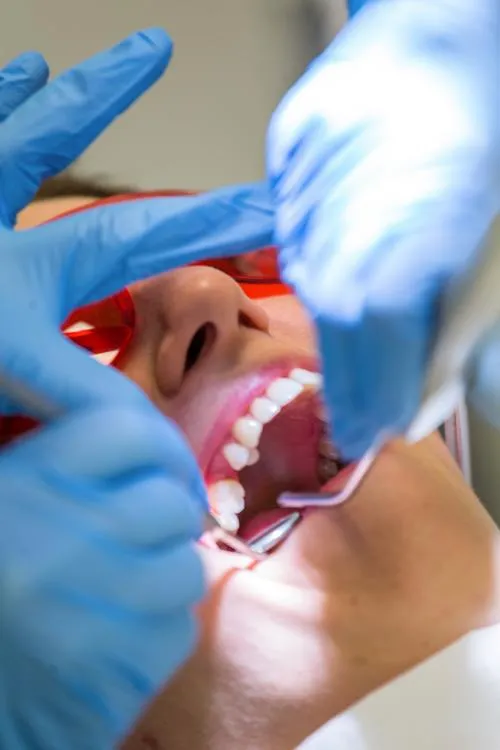
Thailand Pediatric Dentistry Care With Safe Modern Dental Methods
Thailand Pediatric Dentistry Care With Safe Modern Dental Methods
If you’re raising kids in Thailand, you’ll be happy to know pediatric dentistry here is both friendly and advanced. From Bangkok and Nonthaburi to Chiang Mai, Phuket, and the Eastern Seaboard, many clinics offer child-focused care using safe modern dental methods, delivered with that warm Thai approach that helps little ones feel jai yen yen (calm). Whether your family speaks Thai or English, it’s easy to find a pediatric dentist who turns a visit into something a bit sanuk (fun), while sticking to evidence-based care and international standards.
Why pediatric dentistry matters from the start
- Primary (baby) teeth guide speech, chewing, and jaw growth. Protecting them keeps kids feeling good and confident.
- Establish a “dental home” by your child’s first birthday or within six months of the first tooth. Early visits are short, positive “happy visits” that build trust.
- Prevention is king in Thailand’s humid, snack-rich climate. Regular checkups, cleaning, and fluoride help protect against early childhood caries.
Safe modern dental methods you’ll see in Thailand
- Low-dose digital X-rays: Clinics commonly use digital sensors to reduce radiation exposure, with lead aprons and thyroid collars for added safety. Digital imaging gives clear pictures for accurate diagnosis.
- Laser-assisted care: Soft-tissue lasers are used for quick, gentle procedures like tongue-tie (frenectomy) release or ulcer relief, often with minimal bleeding and faster healing.
- Minimally invasive dentistry: Pediatric dentists here embrace techniques that preserve tooth structure:
• Fluoride varnish to strengthen enamel.
• Dental sealants on molars to block decay.
• Silver diamine fluoride (SDF) to arrest early cavities without drilling in suitable cases.
• The Hall technique or ART/SMART fillings that avoid injections for certain lesions, when appropriate.
- Gentle fillings and crowns: When restorations are needed, rubber dam isolation keeps the field clean and safe. BPA-free and biocompatible materials are widely available. For bigger cavities on baby molars, stainless steel crowns are durable and quick.
- Comfortable and calm visits: “Tell–Show–Do” behavior guidance, positive reinforcement, and kid-friendly rooms help reduce fear. For anxious children, nitrous oxide (“happy air”) is used with proper monitoring. Complex cases may be done under general anaesthesia in hospital settings with a licensed anesthesiologist—always with informed consent and strict protocols.
Infection control and quality you can see
- Clinics follow sterilization standards with autoclaves, instrument cassettes, and routine biological (spore) testing. You’ll notice barrier wraps, single-use items where appropriate, and full PPE.
- Many pediatric dentists are board-certified or have residency training, and clinics display licenses from the Thai Dental Council. Don’t hesitate to ask about training, sedation credentials, and emergency readiness—they’ll be happy to explain.
Thailand-specific tips for parents
- Mind the sugar: Popular treats like bubble tea, iced milk tea, Thai tea with condensed milk, roti with sweet toppings, and sticky candies can be rough on teeth. If your child enjoys these, keep them to mealtimes and rinse with water after. Frequent sipping is riskier than occasional treats.
- Fluoride toothpaste: Because fluoride levels in Thai tap water vary and many families use bottled water, daily brushing with fluoride toothpaste matters. Use a smear (rice-grain amount) for under 3s, and a pea-sized amount from age 3
, brushing twice a day. Supervise until at least age 7–8.
- Bottle and snack habits: Avoid letting your child sleep with a milk bottle or sweet drinks. Transition to a cup by 12–18 months and keep bedtime bottles to plain water only.
- Teething comfort: Chilled (not frozen) teethers, a clean damp cloth, and gentle gum massage help. Avoid benzocaine-based gels for young children unless your dentist specifically recommends something safe.
- Habits and growth: If you notice mouth breathing, snoring, prolonged thumb sucking, or speech concerns, ask your pediatric dentist. Interceptive orthodontics or myofunctional guidance may help while the face and jaws are growing.
- Dental emergencies: For a knocked-out adult tooth, place it back in the socket if possible, or keep it in cold milk and head to a clinic immediately—many are open weekends. For baby teeth, don’t reinsert; call your dentist. In Bangkok, look for clinics near BTS/MRT for faster access; many accept walk-ins for emergencies.
Choosing a pediatric dentist in Thailand
- Look for a child-focused clinic with a play area, behavior management expertise, and clear communication in your preferred language.
- Ask about modern technology (digital X-rays, rubber dam, lasers), prevention-first philosophy, and minimally invasive options.
- Check that sedation services (if offered) include monitoring equipment, trained staff, and written protocols. For hospital-based treatment, confirm the facility and anesthesia team.
- A good pediatric dentist will welcome parents chairside for most visits, explain options with photos or diagrams, provide a written treatment plan in plain English or Thai, and prioritise comfort and safety.
Access, fees, and insurance
- Fees vary by city and clinic. As a general guide, check-ups and cleaning for kids are usually affordable, with fluoride treatments and sealants priced per tooth. More involved work like stainless steel crowns or hospital-based care costs more. Ask for a quotation beforehand; Thai clinics are transparent about fees.
- Many private clinics accept international insurance or provide medical receipts for claims. Expat plans often cover preventive care. Government schemes may cover basics in public hospitals but usually not advanced sedation in private clinics.
- Booking is easy: phone, website forms, or Line Official accounts are common. Weekend and after-school appointments are widely available.
What a typical visit feels like
- A friendly wai at the door, a quick health check, and a chat to understand your child’s routine.
- A “tell–show–do” introduction to instruments, then a gentle clean, fluoride varnish, and oral hygiene coaching with Thai-style practicality—how to brush around braces, which snacks are safer, and how to make routines stick even during school term or holidays upcountry.
- If X-rays are needed, they’ll be quick and shielded. Treatments are planned with prevention in mind, and you’ll get clear home-care instructions.
The bottom line
Thailand pediatric dentistry care with safe modern dental methods blends advanced technology with the famously kind Thai approach. From preventive visits and sealants to laser soft-tissue procedures and well-monitored “happy air,” your child’s comfort and safety come first. Choose a pediatric dentist who communicates clearly, values prevention, and uses minimally invasive techniques. Set up your family’s dental home early, and those bright, healthy smiles will stay on track—no fuss, no fear, just confident visits and a lifetime of good habits.