Thailand Pediatric Dentistry Services With Preventive Oral Care Plans
Thailand Pediatric Dentistry Services With Preventive Oral Care Plans
If you’re raising kids in Thailand, you’ll know how important it is to keep things sabai for the whole family—especially when it comes to health. Pediatric dentistry here has grown fast in both quality and accessibility, with child-friendly clinics across Bangkok, Chiang Mai, Phuket, Pattaya and beyond. The best part? Many clinics now offer preventive oral care plans designed to stop problems before they start, so your child’s check-up feels routine and relaxed instead of urgent and stressful.
What makes pediatric dentistry in Thailand stand out
- Specialist training: Board-certified pediatric dentists (registered with the Thai Dental Council) are trained to care for babies, toddlers, and teens, including children with special healthcare needs.
- Kid-focused spaces: Bright play corners, cartoons on ceiling screens, and gentle “tell-show-do” techniques help build trust. Clinics often let parents stay chairside during treatment.
- Bilingual care: In major cities, many dentists and staff communicate fluently in Thai and English, making things easy for both local and expat families.
Why preventive oral care plans matter
Thailand’s love for sweet drinks, milk teas, and sticky desserts means kids can be exposed to frequent sugars throughout the day. Add in the fact that many households use bottled or filtered water with little to no fluoride, and prevention becomes even more important.
A good pediatric preventive plan in Thailand usually includes:
- Early-first visit: Ideally by the first birthday or within six months of the first tooth. This sets the tone for positive dental habits and early detection.
- Caries risk assessment: Dentists check diet, brushing habits, saliva flow, and family history to classify risk and tailor the plan.
- Regular check-ups: Most children do well with six-monthly visits; high-risk kids may be advised to come every three to four months.
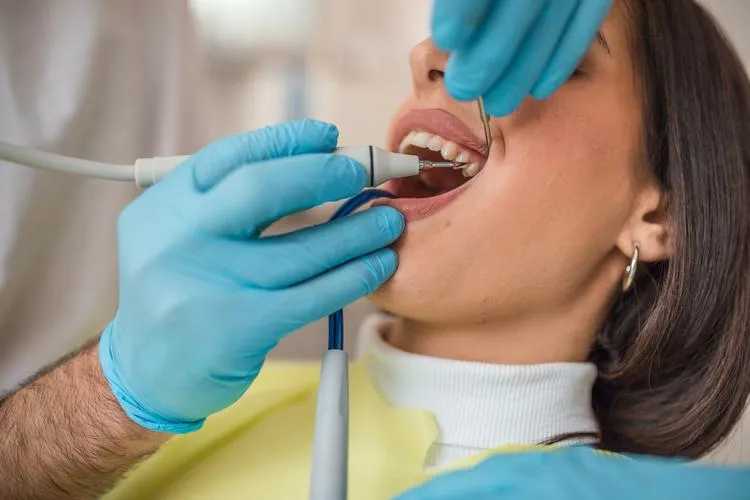
- Professional cleaning and plaque control: Gentle scaling and polishing suited for young mouths.
- Fluoride therapy: Varnish applications to strengthen enamel—especially useful when home water isn’t fluoridated.
- Fissure sealants: Protective coatings on molars to prevent decay in deep grooves; a common and evidence-based service in Thai pediatric clinics.
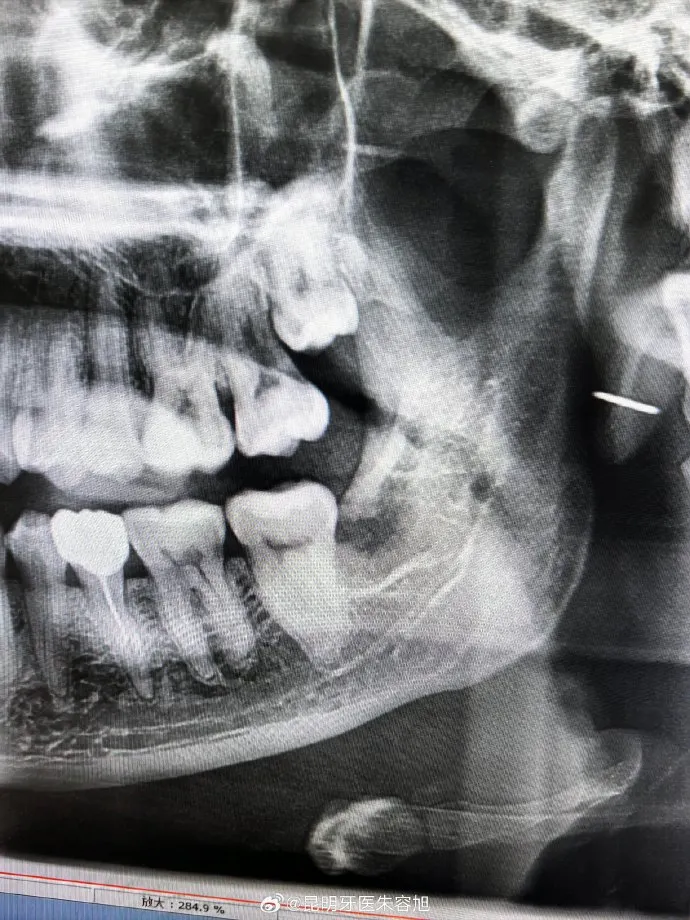
- Digital X-rays when needed: Low-dose imaging to spot hidden decay or check tooth development.
- Oral hygiene coaching: Brushing technique, how much toothpaste to use (a smear-size for toddlers, pea-size for older kids), and flossing guidance.
- Diet and habit counselling: Tips for reducing sugar frequency, better snack choices, weaning from night-time bottles, and managing habits like thumb sucking.
- Growth and bite checks: Monitoring alignment, eruption timing, and early orthodontic needs; space maintainers may be suggested if a baby tooth is lost early.
- Sports and safety: Custom mouthguards for football, Muay Thai, and school activities; advice on dental trauma and first aid.
What to expect at the appointment
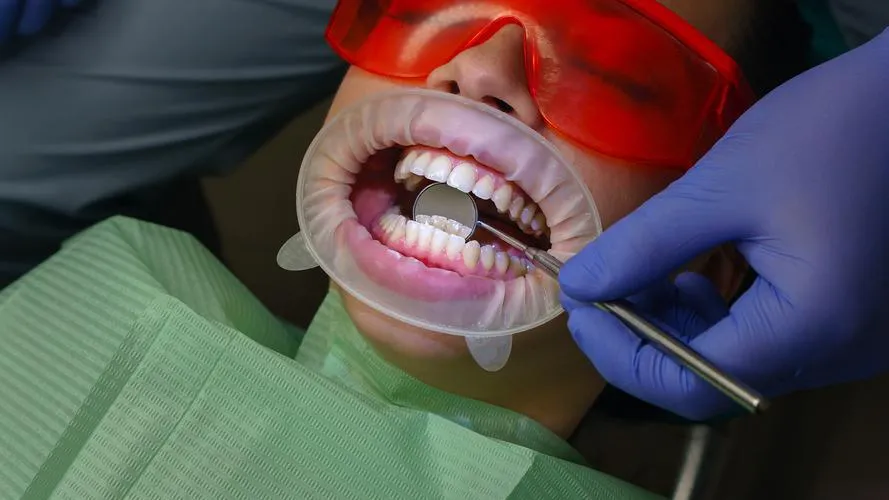
A typical Thai pediatric dental visit starts with a friendly welcome and a quick chat about school, snacks, and brushing. For nervous kids, many clinics offer pre-visit orientation, letting them “practice” sitting in the chair. During the check-up, dentists use age-appropriate language and demonstrate tools. If treatment is needed, most clinics prioritise minimally invasive options and manage discomfort carefully, often using numbing gel and distraction techniques.
For anxious children or complex procedures, sedation dentistry is available in larger centres:
- Nitrous oxide (laughing gas): Helps take the edge off anxiety while keeping th
e child awake and responsive.
- IV sedation or general anesthesia: Reserved for extensive treatment or special needs, usually performed in a hospital setting with an anesthesiologist. Safety protocols and monitoring are strictly followed.
Packages and pricing culture
While fees vary by city and clinic type, many Thai pediatric dental clinics offer preventive packages or membership plans. These often bundle two check-ups per year, cleanings, fluoride applications, and X-rays at a preferential rate, with add-on prices for sealants or emergency visits. The benefit is predictable care and fewer surprises—great for planning around school terms and holidays. Ask about promotions during long weekends or school break periods, when clinics may run family packages.
Insurance and payment
- Thai families: Public hospitals provide basic dental services, and some university hospitals have pediatric departments. Private pediatric clinics typically operate on a fee-for-service or package basis.
- Expat families: Many international schools partner with nearby dental providers for screenings. Clinics in Bangkok’s central areas often help with insurance paperwork or direct billing to certain insurers; it’s best to confirm benefits ahead of time.
- Payment methods: Cash, credit card, and QR payment are widely accepted.
Home care that fits Thai lifestyles
- Twice-daily brushing with fluoride toothpaste is a must. Because many homes rely on bottled water, fluoride from toothpaste and in-clinic varnish becomes the primary defense against cavities.
- Limit sipping on sweet drinks throughout the day; aim to finish them in one sitting and rinse with water after.
- Choose Thai snacks wisely—fresh fruit is great, but try to avoid sticky sweets that cling to teeth.
- If your child plays contact sports or rides a bike/scooter, consider a mouthguard and make sure helmets are used properly.
How to choose a pediatric dentist in Thailand
- Credentials: Look for a pediatric specialist with Thai Dental Council certification and ongoing training in child behavior management.
- Preventive focus: The clinic should offer structured preventive plans and personalised recall schedules based on risk.
- Equipment and safety: Child-sized instruments, rubber dam usage for fillings, sterilization protocols, and digital X-rays indicate a quality setup.
- Communication style: Dentists who explain options clearly in your preferred language make treatment smoother and less stressful.
- Comfort options: Availability of nitrous oxide and clear referral pathways to hospitals for advanced care are a plus.
Common services beyond prevention
- Silver diamine fluoride for stopping early decay without drilling (case by case).
- White fillings and stainless steel crowns for baby molars when needed.
- Habit appliances and space maintainers to guide proper development.
- Tongue-tie assessment and, when indicated, laser frenectomy performed in child-friendly settings.
The big picture
Pediatric dentistry in Thailand has matured into a family-centred, prevention-first service. With the right preventive oral care plan—regular check-ups, fluoride, sealants, and home habits tailored to local diets and water use—most children can avoid cavities and keep smiling confidently. Whether your child is in nursery in Chiang Mai, primary school in Bangkok, or joining weekend football in Phuket, a good kids’ dentist will partner with you to build lifelong oral health. Prevention here isn’t just a checklist; it’s a practical, Thai-friendly routine that keeps dental visits simple, comfortable, and genuinely sabai for both kids and parents.