Thailand Pediatric Dentistry Clinics With International Quality Standards
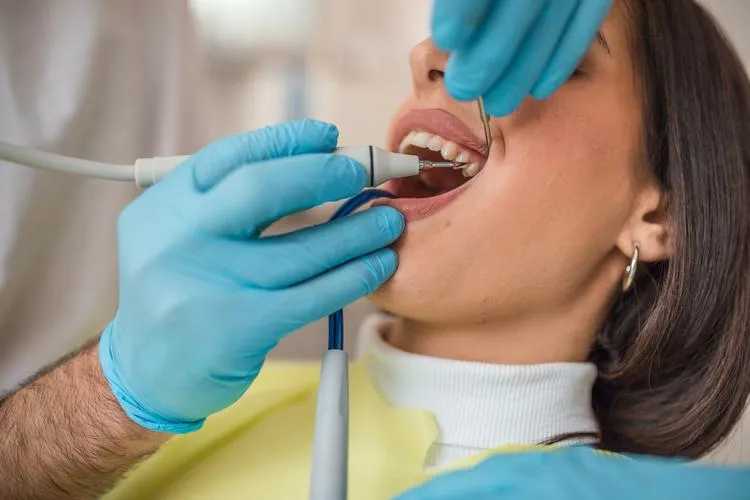
Thailand Pediatric Dentistry Clinics With International Quality Standards
If you’re raising a family in Bangkok, Chiang Mai, Phuket, or planning a dental holiday with little ones, you’ll be glad to know that Thailand’s pediatric dentistry clinics have stepped up to international quality standards. Beyond the bright murals and play corners, many clinics follow evidence-based protocols, invest in hospital-grade sterilization, and offer child-friendly care that meets the expectations of global parents. Here’s what that looks like in real life and how to choose the right clinic for your child.
What “international quality standards” looks like in Thailand
In Thailand, reputable pediatric dentistry clinics are aligned with guidelines from the American Academy of Pediatric Dentistry (AAPD) and the European Academy of Paediatric Dentistry (EAPD). This means clear protocols for prevention, early intervention, and safe behaviour management. Many clinics are situated in or affiliated with private hospitals that carry JCI accreditation, and stand-alone clinics often follow ISO-standard quality systems for sterilization and documentation.
You can expect:
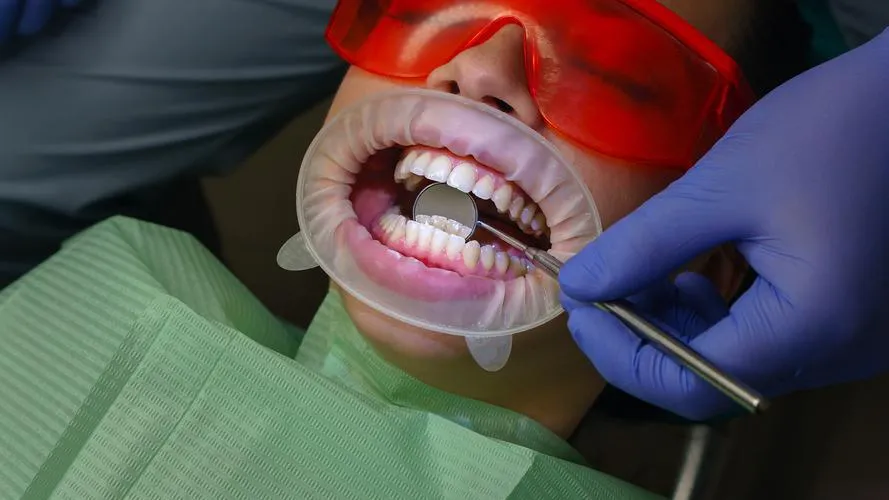
- Strict infection control: Instruments go through ultrasonic cleaning, sealed pouches, and Class B autoclave cycles, with routine spore testing. Disposable barriers are changed between patients, and waterlines are disinfected.
- Radiation safety: Digital X-rays reduce exposure, following the ALARA principle, with lead aprons and thyroid collars sized for kids.
- Traceability and consent: Treatment notes, sterilization logs, and informed consent forms are standard. Parents are briefed clearly on options, costs, and follow-ups.
Specialist training and communication you can trust
Pediatric dentists in Thailand are licensed by the Dental Council of Thailand, and many have specialty training or master’s degrees from the US, UK, Australia, Japan, or leading Thai universities. In Bangkok’s international school belt around Sukhumvit and Sathorn, you’ll find clinics with English-speaking teams, and some also offer Japanese, Chinese, or Arabic support. The approach is friendly and patient—think Tell-Show-Do, positive reinforcement, and desensitization rather than rushed procedures. If your child has special needs, ask about sensory-friendly rooms, longer slots, and collaboration with pediatric anesthesiologists.
Child-focused services that make a difference
International-level clinics focus on prevention first, then minimally invasive care:
- Comprehensive check-ups with caries risk assessment, dietary advice, and home-care coaching for parents and maids.
- Fluoride varnish and dental sealants (often BPA-free) to protect enamel and seal deep grooves.
- Minimally invasive dentistry, including silver diamine fluoride where appropriate, resin infiltration for early lesions, and rubber dam isolation for clean, quick fillings.
- Restorations with tooth-colored composite fillings, stainless steel crowns for heavily decayed molars, and pulpotomy/pulpectomy when needed.
- Interceptive orthodontics, including space maintainers and guidance of eruption to help avoid complex braces later.
- Behaviour guidance options from “happy gas” (nitrous oxide) to oral sedation, and hospital-based general anesthesia for extensive work in very young or anxious children.
For dental trauma—common with scooters, playgrounds, and weekend sports—clinics follow international protocols. If a permanent tooth is knocked out, re-implant it immediately or place it in cold milk and head straight to the c
linic; do not re-implant a baby tooth. Leading clinics provide written emergency instructions and fast-track appointments.
Transparent pricing and insurance options
Costs are generally lower than in many Western countries, with clear estimates before treatment. As a guide, check-ups typically range from 800–1,500 THB, fluoride varnish from 600–1,200 THB, sealants from 1,000–1,800 THB per tooth, tooth-colored fillings from 1,200–2,500 THB, and stainless steel crowns from 4,000–6,500 THB. Nitrous oxide sedation may add 2,500–4,000 THB per session. Hospital-based general anesthesia carries facility and anesthesiologist fees in addition to dental costs.
Many clinics accept international insurance and can help with documentation; some offer direct billing with major global insurers. It’s common to settle the bill and claim later if your plan doesn’t support cashless arrangements. Payment is convenient—credit cards and QR code payments are widely accepted.
Location, access, and the little conveniences
In Bangkok, family-friendly clinics cluster near BTS and MRT lines—Thonglor, Phrom Phong, Asok, Ari, and Sathorn—making it easy to pop in after school. In Phuket, look around Chalong and Patong; in Chiang Mai, Nimman and the city centre are popular. Weekend and after-school appointments are common, and many clinics offer online booking via website or LINE Official Account. Parking validation and pram access are often available—helpful when you’re managing more than one child.
How to choose the right pediatric clinic
A simple checklist will help you shortlist clinics that meet international standards:
- Pediatric specialist on site: Ask if a board-certified pediatric dentist will treat your child.
- Sterilization and safety: Request details on autoclave type, spore testing, and digital X-ray protocols.
- Behaviour management and sedation: Confirm availability of nitrous oxide, sedation policies, and whether treatment can be done in hospital if needed.
- Preventive philosophy: Look for caries risk assessments, fluoride, and sealants as standard preventive tools.
- Communication: English-speaking team, written treatment plans, upfront fees, and clear consent forms.
- Facilities: Child-sized equipment, rubber dam use, protective gear, and a calm, kid-friendly environment.
- Reviews and word of mouth: Check recent Google reviews from parents and ask school parent groups for recommendations.
For expat families and medical tourists
Thailand’s warm service culture shines in pediatric dentistry. For expats, continuity of care is easy—clinics share records, images, and growth charts when you relocate. For travelers, you can combine a check-up or sealants with a holiday, but plan ahead for any treatment that might need follow-up. If your child needs extensive work, consider scheduling near the start of your stay to allow for reviews.
The bottom line
Thailand’s pediatric dentistry clinics are not just cute spaces with cartoons. The best of them run on robust international standards, from sterilization to sedation, and deliver gentle, evidence-based care that builds lifelong healthy smiles. With experienced pediatric specialists, modern equipment, and transparent pricing, families in Thailand—and those visiting—can feel confident their children are in safe, caring hands. When you find a clinic that communicates clearly, prioritizes prevention, and respects your child’s comfort, you’ve found international quality right here in the Land of Smiles.