Thailand Pediatric Dentistry Services Supporting Healthy Baby Teeth

Thailand Pediatric Dentistry Services Supporting Healthy Baby Teeth
A bright smile starts early, and in Thailand, more parents are discovering how pediatric dentistry services can protect little teeth from the very first tooth. Whether your family is in Bangkok, Chiang Mai, Phuket, or upcountry, a child-friendly dental clinic can make check-ups easy, calm, and even fun. This guide explains why baby teeth matter, what services are available, and how Thai parents can keep children’s smiles healthy with stress-free visits and practical home habits.
Why baby teeth are a big deal
Many people think milk teeth will just fall out, so they delay the first dental visit. In reality, healthy baby teeth are important for chewing, speech, jaw development, and guiding permanent teeth into the right positions. Early cavities can hurt, disturb sleep, and affect a child’s confidence. The standard advice here is simple: book the first check-up by the first birthday or within six months after the first tooth appears, then continue every six months unless your dentist suggests otherwise.
What to expect at a Thai pediatric dental clinic
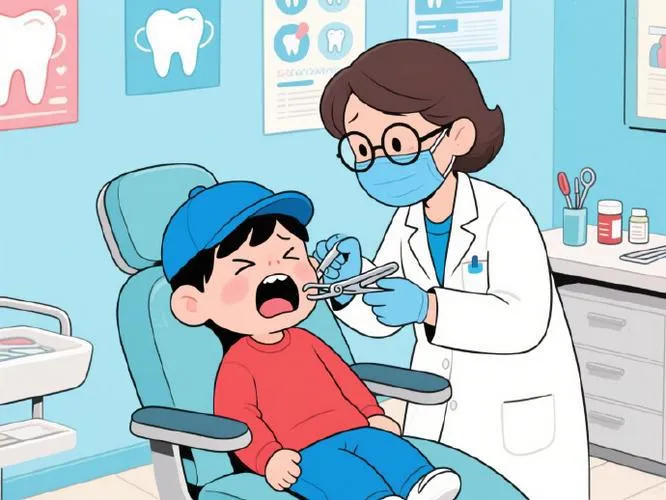
Thailand’s pediatric clinics are designed for kids. You will often see a play corner, friendly staff, and cartoons on the ceiling TV. Dentists use a tell-show-do approach, letting children see and touch instruments before treatment. For small procedures, numbing gel and gentle techniques keep things comfortable. If a child is very anxious, clinics may offer nitrous oxide (laughing gas) with strict safety protocols. Many clinics accept appointments via phone or LINE, offer weekend slots, and are located close to BTS or MRT for easy access.
Core pediatric dentistry services you’ll find in Thailand
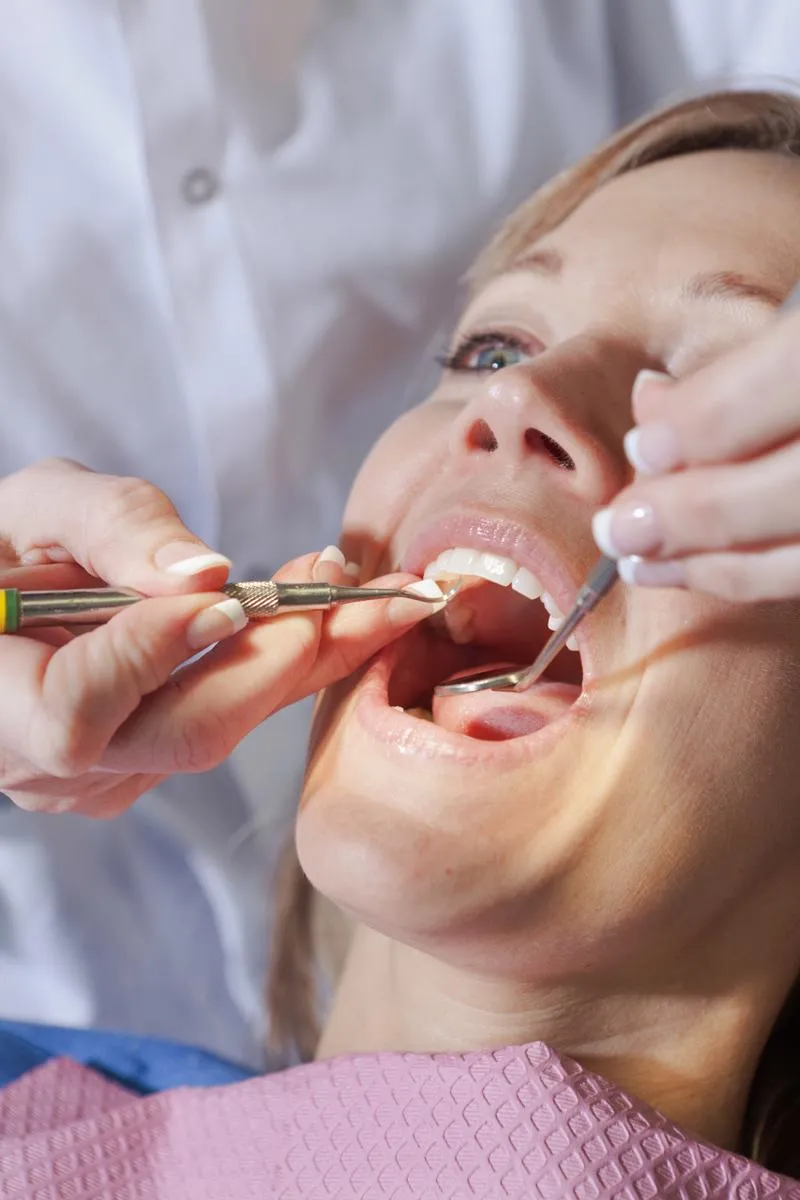
- Comprehensive check-up and cleaning: A gentle scale and polish for older kids, or a soft brush clean for toddlers. The dentist checks for early signs of decay, gum health, bite alignment, and habits such as grinding.
- Fluoride varnish: A quick, paint-on fluoride that strengthens enamel and helps prevent cavities. It’s safe and ideal for Thai children who enjoy sweet snacks or frequent sips of sweet drinks.
- Fissure sealants: Thin, protective coatings on the deep grooves of molars to stop food trapping and decay. Painless and excellent value for school-age kids.
- Silver diamine fluoride (SDF): A non-invasive liquid that can stop early decay, useful for very young children or those not ready for drilling. It can darken the decayed area, so your dentist will explain the pros and cons.
- Tooth-colored fillings and stainless steel crowns: Aesthetic fillings for small cavities, and durable crowns for larger decay on baby molars to hold space and protect the tooth.
- Pulp therapy (baby root treatments): When decay reaches the nerve, this procedure can save a painful baby tooth and maintain function until it’s naturally ready to come out.
- Space maintainers: If a baby tooth is lost early, a simple appliance prevents nearby teeth from drifting and blocking the path for permanent teeth.
- Bite and habit guidance: Support for thumb-sucking, mouth breathing, nighttime grinding, and bottle-to-cup transition to reduce cavity risk.
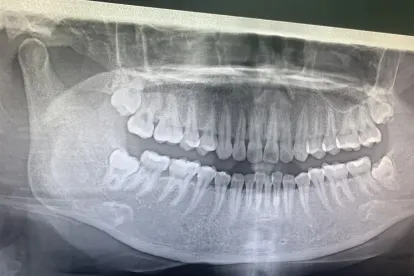
- Low-dose digital X-rays: Used only when needed to check in-between teeth, tooth development, and hidden decay.
- Emergency care: Urgent help for dental injuries from falls or sports. If a permanent tooth is knocked out, place it in milk and see a dentist immediately. Do not reinsert a b
aby tooth.
Home habits that fit Thai family life
Keeping baby teeth healthy in a country full of delicious snacks can be a challenge, but small daily habits make a big difference.
- Brush twice a day with fluoride toothpaste. For under 3 years, use a smear; from 3–6 years, a pea-sized amount. Parents should help with brushing until at least age 7 to ensure all areas are clean.
- Start flossing once teeth touch each other. Do it at night to remove sticky food from tight spaces.
- Sweet snacks are okay sometimes, but try to keep them to mealtimes. Constant snacking and sipping sweet drinks—milk tea, sweet soy milk, juice boxes—feed cavity-causing bacteria all day.
- Offer plain water between meals. After sweet or sticky treats, a quick water rinse helps.
- Avoid putting a child to sleep with a bottle. If needed, use only water in the bottle at bedtime.
- Choose tooth-friendly Thai snacks like fresh fruit, plain yogurt, or nuts, and keep chewy, sticky sweets as an occasional treat.
How to choose a pediatric dentist in Thailand
- Training and experience: Look for a dentist with pediatric dentistry training and a gentle approach. Many clinics highlight their dentists’ profiles on their websites or social pages.
- Child-friendly environment: A calm, colourful clinic with kid-sized equipment and distraction options can transform the experience.
- Safety and standards: Ask about infection control, sterilisation, and monitoring for sedation if offered.
- Communication: Clear explanations in English or Thai, easy booking via LINE, and reminders for follow-up visits help busy parents stay on track.
- Location and timing: Clinics near BTS/MRT, with after-school or weekend appointments, make regular visits easier.
- Transparent fees and treatment plans: A written plan with options helps you decide what suits your child and budget.
Access and costs
Thailand offers a wide range of options—from public hospitals with pediatric dental departments to private clinics in major cities. Fees vary by clinic and treatment complexity. Public facilities can be more affordable and may have a longer queue, while private clinics often provide shorter waiting times and more flexible scheduling. Some insurance plans reimburse part of dental costs; check your policy or employer benefits. If you are an expat parent, ask your insurer about coverage for preventive care like fluoride and sealants.
Common questions from Thai parents
- Do baby teeth really need filling? Yes. Treating decay prevents pain and infection and protects the space for permanent teeth.
- When should my child start orthodontic checks? A quick bite assessment can start by age 7 to spot crowding or jaw issues early.
- Can we delay X-rays? Dentists in Thailand use X-rays only when necessary and with low-dose digital systems. Discuss your concerns; the dentist can explain the risk-versus-benefit clearly.
Healthy smiles, happy kids
The best dental care is a team effort: dentist, parent, and child working together. With the right mix of regular check-ups, preventive treatments like fluoride and sealants, good home habits, and a clinic that understands children, Thailand’s pediatric dentistry services make it easier than ever to protect baby teeth. Book that first visit early, keep appointments every six months, and celebrate every little win—because strong baby teeth set the path for confident, lifelong smiles.