Thailand Pediatric Dentistry Care for Preschool Childrens Teeth
Thailand Pediatric Dentistry Care for Preschool Childrens Teeth
Preschool years in Thailand are full of curiosity, play, and big smiles. It’s also the right time to build strong oral health habits that last. Even though baby teeth will eventually fall out, they matter a lot now. With the popularity of sweet drinks, condensed milk, and tasty local snacks, Thai children are at higher risk of early childhood caries if we don’t pay attention. The good news: with a simple routine at home and regular visits to a pediatric dentist, you can keep your child’s smile bright from nursery to kindergarten.
Why baby teeth matter more than you think
- They help with chewing and getting proper nutrition, from jok to rice and veggies.
- They guide jaw growth and keep space for permanent teeth. Early loss can lead to crowding later.
- They support clear speech and confident social interaction at school.
- Toothache and infection can affect sleep and learning; no one wants that before Term 1.
Across Thailand, early childhood caries remains common, but prevention works. The Ministry of Public Health and school dental programmes are active, and parents play the biggest role day to day.
When to see a pediatric dentist in Thailand
- First tooth or first birthday. That early visit lets the dentist check growth, advise on feeding and brushing, and make the clinic a friendly place for your child.
- Twice a year after that, or more often if your child is high risk.
- Where to go: dental departments at public hospitals, subdistrict health promoting hospitals (SHPH), university clinics (Mahidol, Chulalongkorn, Khon Kaen), and many private pediatric dental clinics in Bangkok, Chiang Mai, Phuket, and other cities.
- Health coverage: under the Universal Coverage Scheme, Social Security, or CSMBS, basic children’s dental care such as examinations, fillings, fluoride applications, and extractions are generally available at public facilities. Private clinics offer flexible hours and child-friendly environments; check fees in advance.
What happens at a preschool dental check
- Gentle examination of teeth, gums, bite, and oral habits (thumb sucking, mouth breathing).
- Cleaning if needed, and advice tailored to Thai diets and routines.
- Fluoride varnish application for cavity prevention.
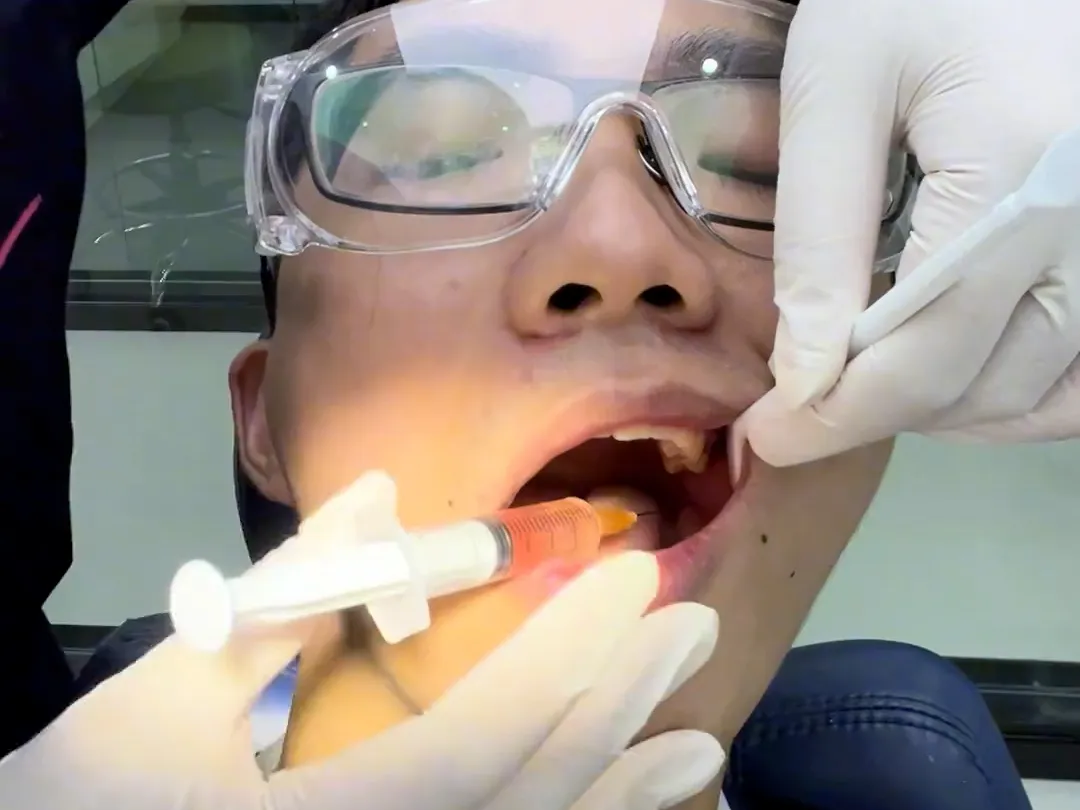
- If your child is anxious, many clinics use tell-show-do techniques, rewards, and sometimes nitrous oxide (laughing gas) for more complex care. Ask your dentist what is suitable and safe.
Daily care at home in the Thai context
- Brush twice a day with fluoride toothpaste. Use a smear the size of a grain of rice for under 3s, and a pea-sized amount from 3–6 years. Choose 1,000–1,450 ppm fluoride toothpaste; it’s widely available in Thailand.
- Brush at night last thing, after milk or snacks. No drinks except water afterwards.
- Parents should brush for children until they can tie their own shoelaces, then supervise.
- Start flossing when teeth touch. A flosser can make it easier for small mouths.
- Avoid putting your child to bed with a bottle. If your little one likes milk before sleep, brush after. For daytime, offer water or plain milk; keep sweet drinks, bubble tea, and powdered milk mixes for meal times only.
- Snack smar
t with local options: fresh fruit (limit very sticky dried fruit), unsweetened yoghurt, nuts for older kids, or cheese. Sticky sweets, soft cakes, and roti with condensed milk cling to teeth and feed bacteria.
- Encourage drinking water after snacks, especially if brushing isn’t possible at kindergarten.
Fluoride and sealants in Thailand
- Many families drink bottled water, which usually has low fluoride. That’s fine—just rely on fluoride toothpaste and professional fluoride varnish.
- Ask your dentist about fluoride varnish every 3–6 months for high‑risk kids.
- Fissure sealants are usually placed on permanent molars when they erupt around age six. Some dentists may seal deep grooves on primary molars if your child is high risk; they may use materials like glass ionomer that release fluoride.
Thumb sucking, pacifiers, and other habits
- Comfort habits are common in toddlers. Aim to stop thumb sucking and pacifier use by age three to avoid changes in tooth position and bite.
- If your child mouth breathes or snores, mention it to your dentist; they may refer to an ENT specialist if needed.
- Grinding at night is common in preschoolers and often resolves on its own. Your dentist will check for wear and jaw discomfort.
Dealing with dental injuries
Preschoolers run, jump, and sometimes fall. If a baby tooth is knocked out, do not put it back in the socket. See a dentist as soon as possible. If a tooth is pushed out of position or a lip is cut, apply a clean gauze with gentle pressure and head to the nearest dental clinic or hospital. Keep calm—quick care helps protect the developing permanent teeth.
Choosing a pediatric dentist in Thailand
- Look for a child-friendly clinic with a play corner and a patient, gentle team. First impressions help your child feel at ease.
- Check credentials. Pediatric dentists are registered with the Thai Dental Council, and many have additional training.
- Ask about behaviour guidance, pain control options, and how the clinic prepares children for treatment.
- Pick a location that fits your routine—near home, school, or your office—so regular visits are easy to keep.
- In tourist areas and larger cities, many clinics have bilingual staff if you prefer English.
Simple tips Thai parents swear by
- Brush together as a family. Kids copy what they see.
- Use a sticker chart or a small reward to build routine without bribing with sweets.
- Keep a “tooth care kit” in the school bag: small toothbrush and paste for after-lunch brushing if the school allows.
- Schedule dental visits after a nap and light meal to reduce fussiness.
Red flags that need a dental check soon
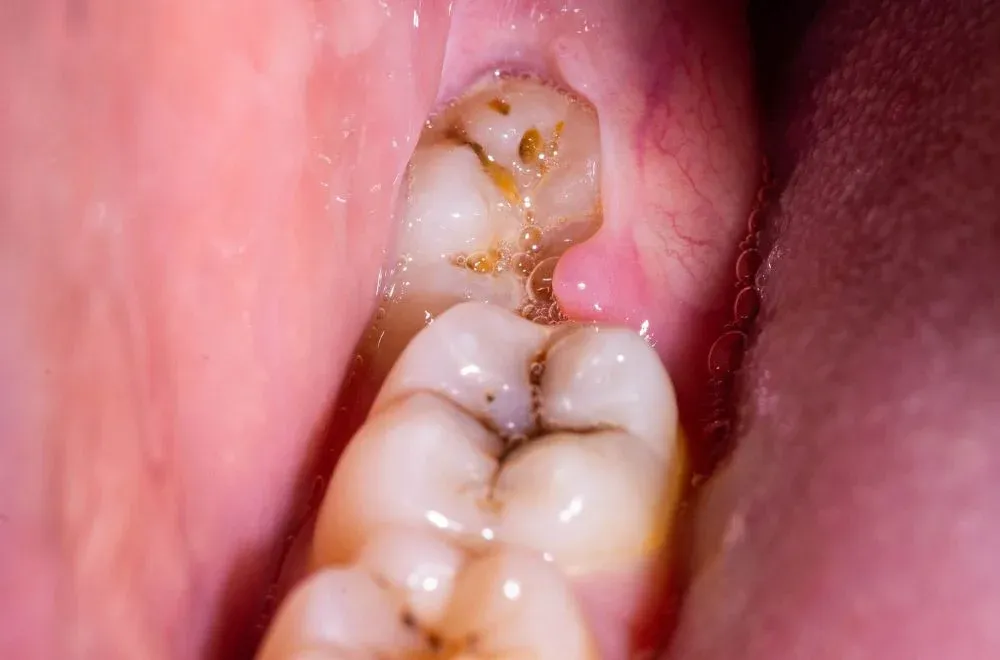
- White chalky spots near the gumline
- Brown or black areas on teeth
- Sensitivity to cold or sweet foods
- Bleeding gums when brushing
- Bad breath that doesn’t improve with brushing
Raising healthy smiles in Thailand is a team effort between parents, teachers, and dental professionals. Start early, keep it positive, and be consistent. With the right habits and a trusted pediatric dentist, your preschooler can enjoy Thailand’s vibrant food culture and still have strong, healthy teeth—today and when the permanent teeth arrive.