Thailand Pediatric Dentistry Clinics for Preventing Childhood Cavities
Thailand Pediatric Dentistry Clinics for Preventing Childhood Cavities
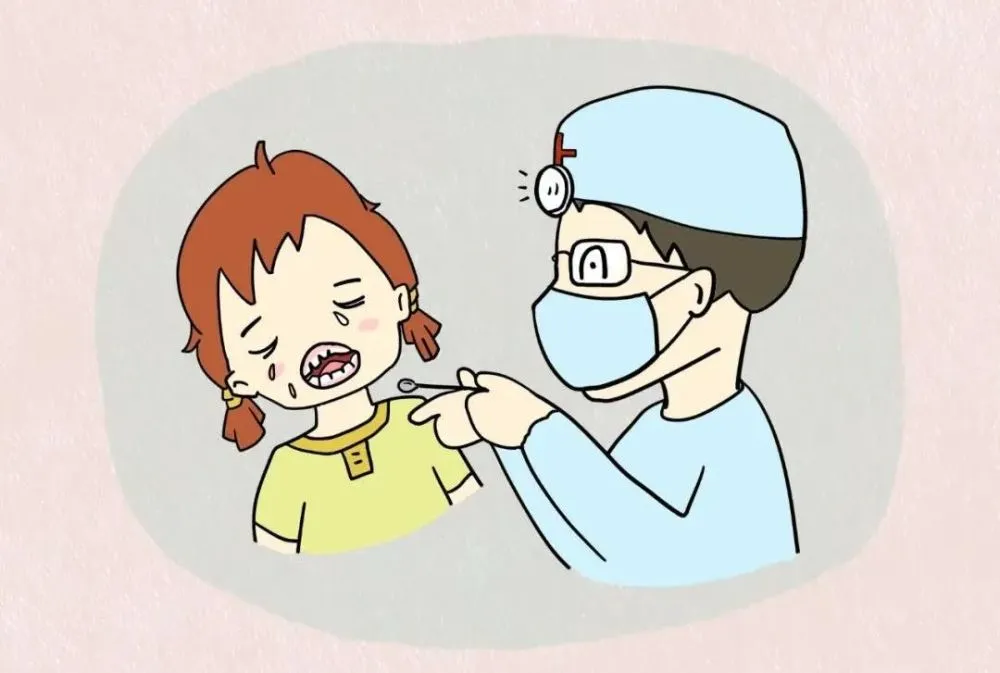
If you’re raising kids in Thailand, you’ll know how easy it is for little ones to pick up sweet habits—Nom Yen (pink milk), Thai iced tea, bubble tea, roti with condensed milk, and all the kanom at family gatherings. That’s why pediatric dentistry clinics across Thailand put a big focus on prevention. The goal is simple: keep baby teeth healthy so kids can eat, speak, smile, and grow with confidence.
Why cavities are common here
- Frequent sipping: Many children sip sweet drinks throughout the day. Even “less sweet” (wan noi) drinks still bathe teeth in sugar if they’re sipped over hours.
- Sticky treats: Dried fruits, tamarind candy, sticky rice desserts, and gummies cling to grooves in molars.
- Bedtime bottles: Milk or flavored milk at bedtime (especially with added sugar) sits on teeth overnight.
- Grazing culture: Small snacks between meals are normal, but constant snacking doesn’t give saliva time to protect teeth.
What Thailand’s pediatric clinics do to prevent cavities
- Start early: Clinics encourage a first dental visit by the first birthday or within six months of the first tooth. This sets up a “dental home” and helps parents learn brushing and feeding strategies early on.
- Risk assessment: Dentists assess your child’s cavity risk based on diet, brushing, fluoride exposure, and any existing spots, then tailor a plan.
- Fluoride varnish: Quick, painless varnish strengthens enamel and can reverse early white spots. Most clinics offer it every 3–6 months for higher‑risk kids.
- Fissure sealants: A thin protective coating on the deep grooves of molars blocks food from getting stuck. Great for newly erupted permanent molars around ages 6–7 and 11–13.
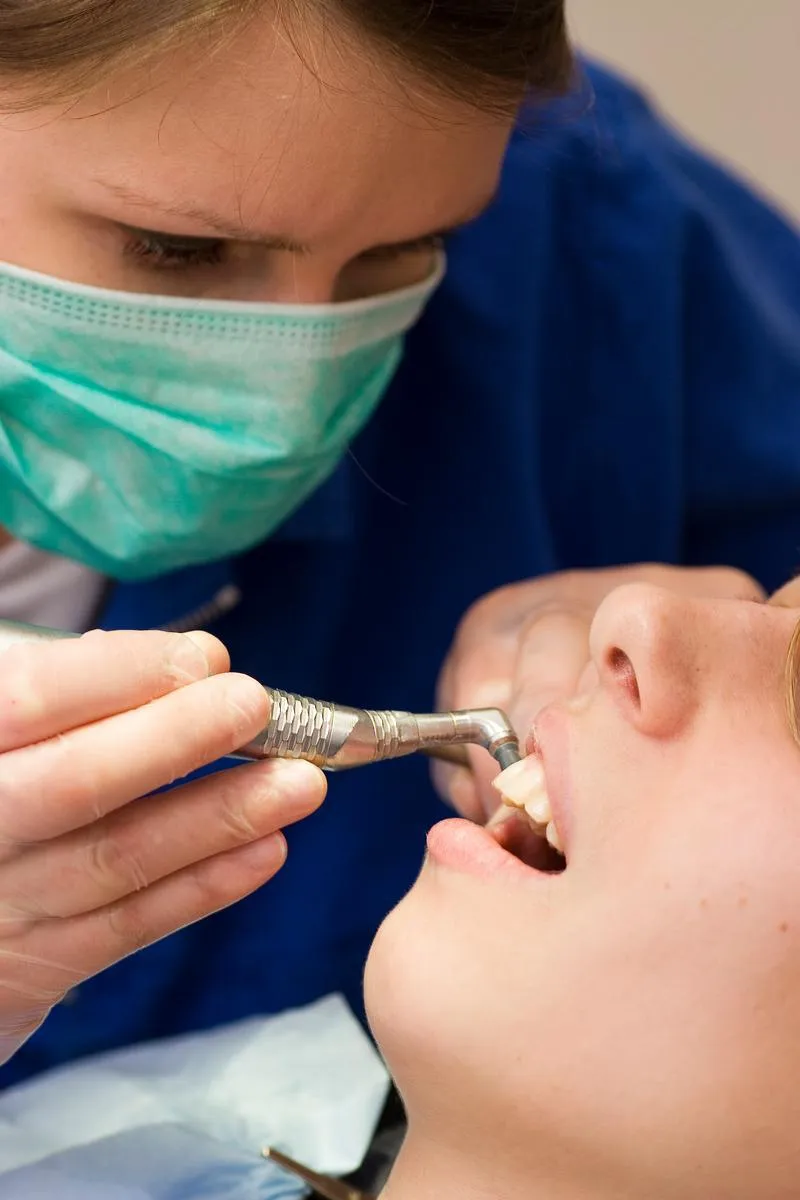
- Gentle cleanings and coaching: Hygienists show parents and kids the right brushing angles, how much toothpaste to use, and how to floss where teeth touch.
- Diet guidance that fits local life: Clinics talk about real choices—ordering “wan noi,” switching to water between meals, keeping sweets to mealtimes, and choosing snacks that don’t stick (fresh fruit, cheese, nuts if age‑appropriate).
- Minimally invasive treatments: Many clinics use silver diamine fluoride (SDF) to stop early decay without drilling, especially useful for toddlers, and the Hall technique (stainless steel crowns placed without shots) when appropriate.
- Comfortable care: Expect child‑friendly spaces, tell‑show‑do explanations, and, where needed, nitrous oxide (laughing gas) or hospital‑based sedation for young or anxious patients.
How to choose the right pediatric clinic in Thailand
- Specialist credentials: Look for a board‑certified pediatric dentist (Thai Dental Council). Many speak English; some clinics are fully bilingual.
- Preventive focus: Ask about fluoride varnish, sealants, SDF, and caries risk assessment—not just fillings.
- Kid‑friendly vibe: Play areas, small instruments, and staff trained in behavior guidance make a big difference.
- Clear fees and options: Good clinics explain costs up front and discuss choices that match your child’s needs.
- Convenience: Near BTS/MRT in Bangkok or easy parking in other provinces helps with regular check‑ups. Check opening hours for after‑school or weekend slots.
- Booking and communication: Most clinics confirm via LINE or Facebook. Some offer e‑forms and reminders so you don’t miss recall visits.
- Insurance and payment: Government hospitals and dental schools offer very affordable prevention (longer queues). Private clinics may accept So
cial Security or direct bill certain private insurers; expat families often pay by cash, card, or PromptPay and claim later.
Typical fee ranges (to help you plan)
- Consultation/exam: 300–800 THB at many clinics; private hospitals may be higher.
- Cleaning and polish: 800–1,500 THB depending on age and plaque level.
- Fluoride varnish: 500–1,000 THB per application.
- Sealants: 800–2,000 THB per tooth, depending on material and setting.
- SDF application: 400–800 THB per visit.
Government hospitals and university dental hospitals (e.g., Chulalongkorn, Mahidol, Chiang Mai University, Prince of Songkla) are usually lower cost but require taking a queue number and waiting.
What to bring and how to book
- Booking: Add the clinic on LINE, call, or message their Facebook page. Confirm public holiday closures (Songkran, long weekends).
- Documents: Bring your child’s Thai ID or passport, any insurance card, and their health/immunization book if you have it. Previous x‑rays or dental notes help too.
- On the day: Arrive 10–15 minutes early to sort paperwork and get a queue number. Avoid scheduling during nap time. Try not to give snacks or milk right before the appointment.
Home prevention that Thai pediatric dentists recommend
- Fluoride toothpaste: Brush twice a day with fluoride (1,000–1,450 ppm). Use a rice‑grain smear for under‑3s and a pea‑sized amount from 3+. Brush for two minutes and help your child until at least age 7–8. Spit, don’t rinse.
- Night routine: The bedtime brush is non‑negotiable. No milk or sweet drinks after brushing. If your child still likes a bottle, aim to switch to a cup by 12–18 months.
- Snacks and drinks: Keep sweets to mealtimes. Between meals, stick to water. If you do buy a sweet drink, go for small size, ask for “wan noi,” skip toppings, and finish it in one sitting rather than sipping for hours. Rinse with water after sticky kanom.
- Floss once daily where teeth touch. Kids usually need help at first.
- The 2‑2‑2 reminder: Brush 2 times a day, 2 minutes each, and see the dentist 2 times a year (more often for high‑risk kids).
- School support: Join school toothbrushing programmes and free check‑ups when offered. Many Thai schools have supervised brushing after lunch.
Special situations
- Braces: Children with orthodontic appliances need more frequent cleanings and fluoride. Interdental brushes and water flossers are useful.
- Special health needs: Choose clinics experienced with special needs care and hospital partnerships for sedation or general anesthesia when necessary.
- Medication: Ask for sugar‑free formulations when kids are on long courses of syrups (e.g., during rainy‑season colds).
Seasonal tips for Thailand
- Hot days and holidays: Dehydration reduces saliva, so encourage water. During Songkran or long trips, carry a small dental kit (travel brush, paste, floss) and a refillable water bottle.
- Festive sweets: Enjoy them with meals rather than as all‑day snacks. After mango sticky rice or mooncake season, remember to brush before bed.
The takeaway
Preventing cavities in Thailand is absolutely doable with the right support. Pediatric dentistry clinics here are warm, well‑equipped, and focused on prevention that fits local habits. Set up your child’s dental home early, keep regular check‑ups, and make small, practical changes—like reserving sweets for mealtimes and brushing with fluoride. Healthy baby teeth lead to healthier permanent teeth, and that’s a win for every family.