Thailand Pediatric Dentistry Care for International Families on Dental Holidays
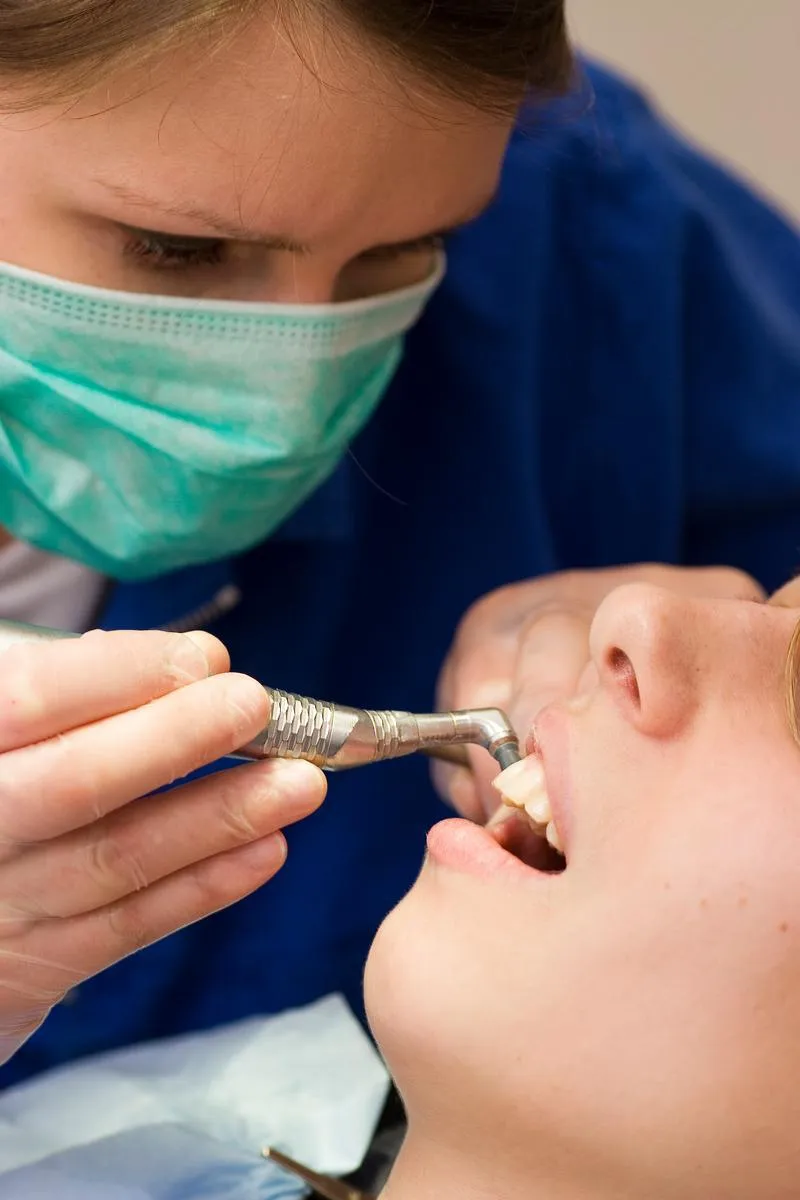
Thailand Pediatric Dentistry Care for International Families on Dental Holidays
Thinking about a dental holiday but worried about your child’s smile? Thailand makes it easy to combine a relaxing family break with high-quality pediatric dental care. From Bangkok to Phuket and Chiang Mai, clinics here are set up for international families, with friendly teams, modern equipment, and prices that won’t sting your holiday budget. The Thai approach is sabai sabai—calm, gentle, and service-minded—so parents can feel at ease while kids actually enjoy their visit.
Why Thailand works so well for children’s dental care
- Pediatric specialists: Many dentists here complete extra training in children’s dentistry and hold certifications recognized by the Dental Council of Thailand, with some trained in the UK, US, Australia, or Japan. They’re experienced with young patients, including those who are anxious or have special needs.
- Child-friendly environments: Expect bright play areas, cartoons on ceiling screens, and small-sized instruments. The classic “tell–show–do” technique helps kids understand what’s happening, and positive reinforcement is the norm.
- Language and communication: English is widely spoken in international clinics. Treatment plans and quotes are explained clearly, often with photos or digital scans. Clinics usually communicate via email, WhatsApp, or LINE (very common in Thailand) for appointment reminders and follow-ups.
- Safety and standards: Top clinics follow strict sterilization protocols with autoclaves, single-use disposables, and digital X-rays that keep radiation exposure low. Hospital-based dental centers in Bangkok and Phuket may even be JCI-accredited.
What treatments are typically offered for kids
- Routine check-ups and cleanings: Gentle scaling and polishing, plus oral hygiene coaching that’s practical for your child’s age.
- Fluoride varnish and sealants: Simple, fast procedures that help prevent cavities—great for making the most of your trip.
- Tooth-colored fillings: Aesthetic, durable restorations for early decay, often placed in a single visit.
- Pulp therapy and stainless-steel crowns: For deeper decay, pulpotomies and child-sized crowns protect baby molars until they naturally fall out.
- Interceptive orthodontics: Space maintainers or early guidance to keep room for adult teeth and reduce future crowding.
- Dental trauma care: With swimming pools, bikes, and scooters part of many holidays, clinics are ready for chipped or knocked-out teeth and soft tissue injuries.
- Behavior guidance and sedation: Nitrous oxide (happy gas) is widely available, and some hospital settings offer general anesthesia for more complex or urgent cases when appropriate.
What it typically costs
Fees vary by city and clinic, but many families find care is 30–60% less than in Western countries. As a ballpark:
- Check-up + cleaning: roughly THB 1,000–1,800
- Fluoride varnish: around THB 500–1,000
- Sealant (per tooth): about THB 800–1,500
- Tooth-colored filling (small to medium): roughly THB 1,200–2,500
- Stainless-steel crown: around THB 3,500–6,000
- Nitrous oxide sedation: approximately THB 2,000–3,500 per session
- Hospital-based treatment under general anesthesia: packaged fees vary widely depending on duration and complexity
Most clinics provide a written quote in THB and can issue invoices for insurance. If you plan to claim back home, confirm your insurer’s requirements before you travel.
Planning your dental holiday, Thai-style
- Timing: Book ahead during peak seasons like December–January and Songkran (Thai New Year in April). For major work, avoid last-minute appointments right before your
flight.
- Schedule smartly: Aim for the first consult early in your trip, with a buffer day or two for any follow-up or sealants. If sedation or general anesthesia is planned, you’ll need to follow fasting guidelines and keep the day free.
- Location matters: In Bangkok, family-friendly clinics cluster around Sukhumvit, Silom, and Phrom Phong, close to BTS/MRT stations and shopping malls. Phuket’s Patong, Kata, and Laguna areas are convenient for beach stays. Chiang Mai offers a calmer pace near Nimman or the Old City, ideal if you prefer fewer crowds.
- Getting around: Metered taxis, Grab (ride-hailing), and BTS/MRT make city travel easy. Prams fit in most mall-based clinics, and many buildings have lifts and nursing rooms.
- What to bring: Any recent X-rays, your child’s medical history, allergy list, and a favorite toy for comfort. If your child uses a sports mouthguard or has braces, pack those too.
How clinics keep kids comfortable
Thai dentists are known for patience and a gentle touch. They use:
- Clear, child-friendly explanations, often with models and iPads.
- Distraction techniques like cartoons, music, or counting games.
- Topical numbing gel before injections to reduce discomfort.
- Small-dose local anesthesia tailored to your child’s weight.
If your child is very nervous, nitrous oxide is commonly offered and wears off quickly, letting you continue your holiday plans with minimal downtime.
Aftercare while you’re on holiday
- Food and drinks: Stick to soft foods like congee (jok), bananas, yogurt, or mild soups after fillings or extractions. Avoid very hot, spicy, or crunchy items on the same day. Skip straws after extractions.
- Pain control: Paracetamol or ibuprofen is usually enough; clinics will advise dosing based on weight.
- Swimming: Best to avoid pools and the sea for 24 hours after extractions or if stitches are placed.
- Follow-up: Many clinics schedule a quick check a day or two later. If you’ve already flown to another city, teleconsults via LINE or video are common.
Paperwork, payment, and insurance
- Payment: Cash, major credit cards, and sometimes mobile wallets are accepted. You’ll get official receipts; ask for a treatment summary with procedure codes if your insurer requires them.
- Insurance: Some international policies reimburse out-of-network dental care. Confirm pre-authorization rules and whether sedation or hospital fees are covered.
- Consent: For sedation or GA, expect detailed consent forms and pre-op health checks. Bring any medical letters if your child has chronic conditions, asthma, or allergies.
Choosing the right clinic
Look for:
- A pediatric dentist on staff (often listed as pedodontist).
- Transparent, written treatment plans with photos or intraoral scans.
- Clear sterilization protocols and modern equipment (rubber dam use is a good sign for restorative work).
- Positive reviews that specifically mention working well with kids and international families.
Don’t hesitate to request a virtual meet-and-greet before you book flights; clinics are used to international planning and can map out a phased plan if you’re visiting multiple cities.
Making it a sanuk experience for the whole family
A dental holiday doesn’t have to feel clinical. Schedule morning appointments, then reward your little one with a visit to a kid-friendly café, an aquarium stop, or a gentle tuk-tuk ride. With Thailand’s warm wai welcome and a calm, sabai sabai approach, pediatric dentistry here fits naturally into a family trip. You return home with great memories—and a healthier, happier smile for your child.