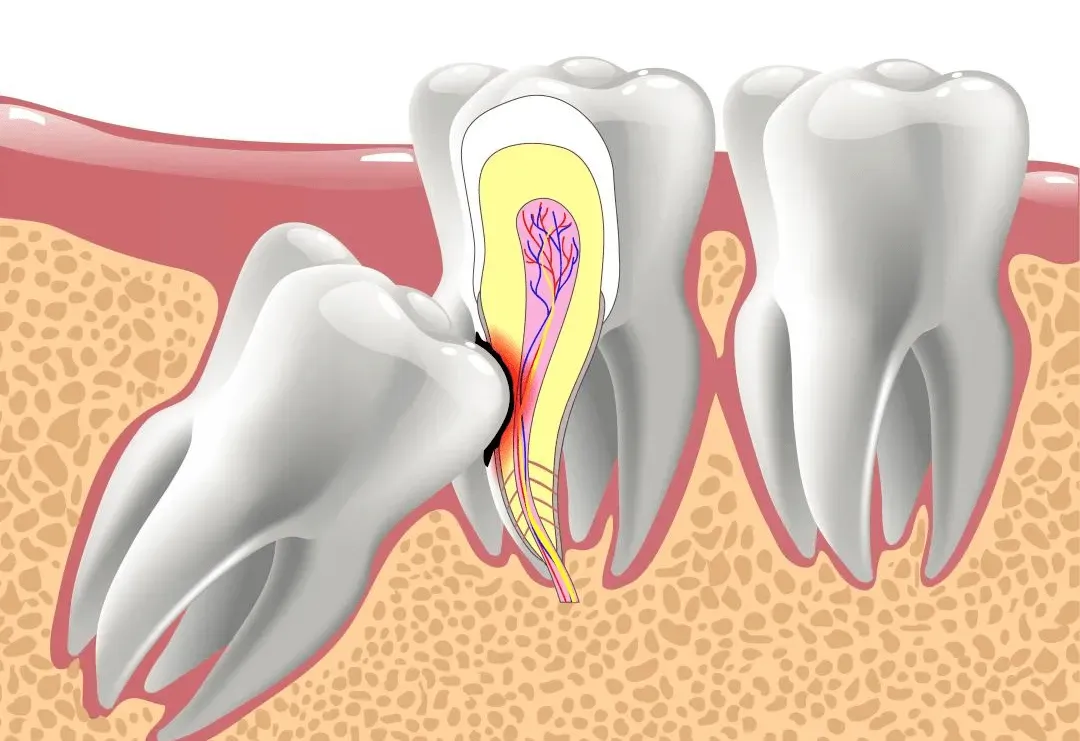
Thailand Pediatric Dentistry Clinics With Excellent Hygiene Standards
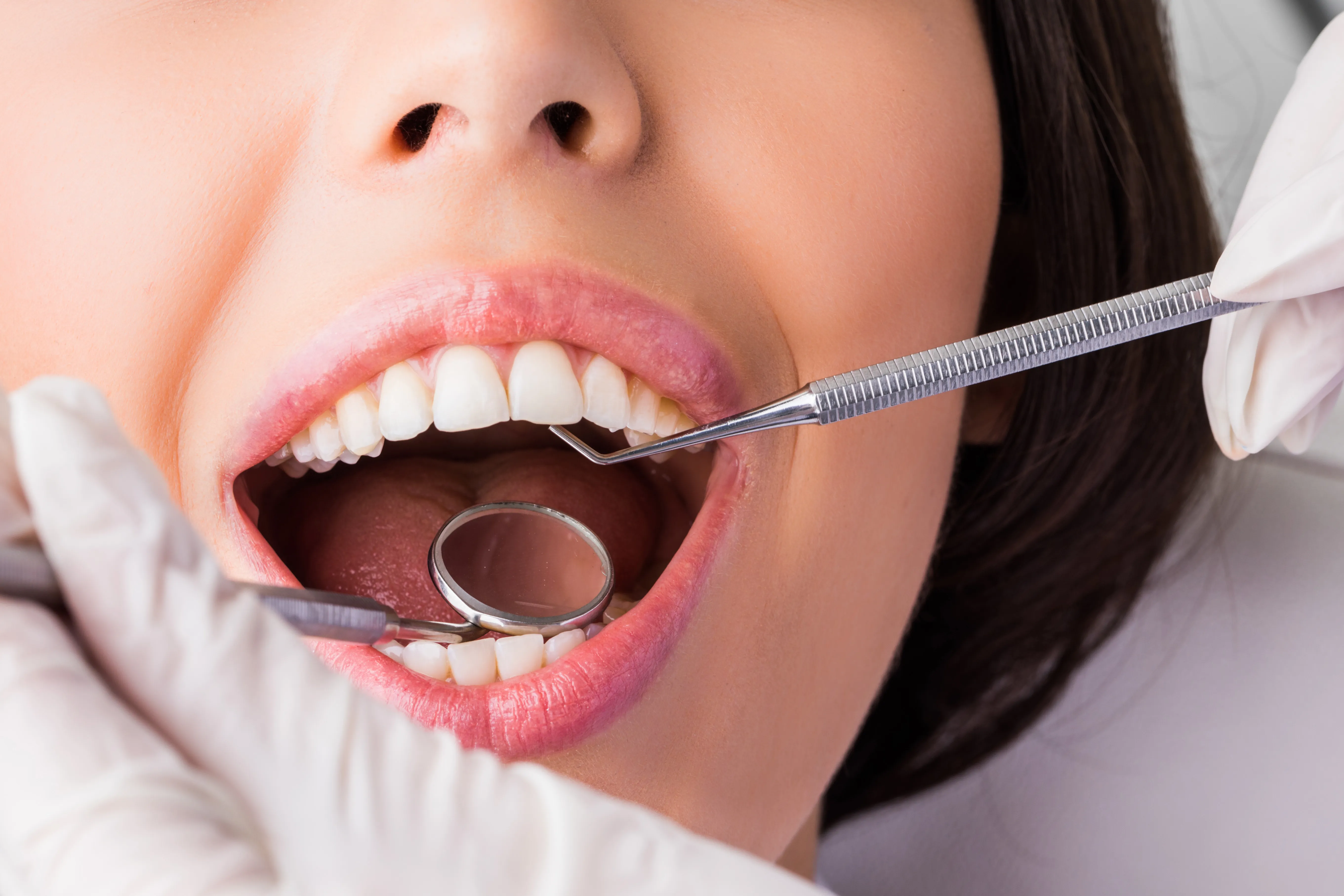
Thailand Pediatric Dentistry Clinics With Excellent Hygiene Standards
Parents in Thailand know that a child’s smile is more than just cute photos—it’s a sign of good health. When you’re choosing a pediatric dentist in Bangkok, Chiang Mai, Phuket, or beyond, hygiene standards are often the deciding factor. The good news is that Thailand pediatric dentistry clinics have built a strong reputation for excellent infection control, modern sterilization, and gentle, kid-friendly care. Whether you’re a local family or an expat newly settled near the BTS, you can expect high standards that are both practical and reassuring.
What “excellent hygiene” looks like in Thailand
Dental clinics across the country follow guidelines from the Thai Dental Council and the Ministry of Public Health, and many go beyond the basics. If you’re touring clinics or checking their websites, look for signs like these:
- Proper sterilization of instruments: Class B autoclaves, individually sealed pouches, and chemical indicators that change color after a successful cycle. Leading practices also run routine spore tests and log results.
- Clean flow of instruments: Clear separation between “dirty” and “clean” zones, with covered storage for sterilized packs and no clutter around the dental chair.
- Single-use items: Needles, suction tips, bibs, and cups are disposable and changed for every child.
- Hand hygiene and PPE: Frequent handwashing or alcohol gel before and after each patient, with masks, gloves, and face shields used appropriately.
- Surface and air safety: Disinfection of chairs, handles, and counters between patients; many clinics use HEPA air purifiers or UV-C in their ventilation. You might hear staff mention a weekly “Big Cleaning Day”.
- Waterline maintenance: Shock treatments and regular flushing of dental unit waterlines to prevent biofilm, plus anti-retraction handpieces to stop backflow.
- Aerosol control: High-volume suction and, where appropriate, rubber dams to keep treatments clean and efficient.
- Child-friendly zones, kept clean: Play corners with wipeable toys, separated from clinical space. The best clinics sanitize toys and books frequently.
- Waste management: Clearly labeled bins and collection for biomedical waste according to Thai regulations.
- Visible licensing: Dentist and clinic licenses posted at reception, plus clear price lists as required by law.
Don’t be surprised if the receptionist greets you with a “Sawasdee” and a warm wai. Some clinics ask families to remove shoes or use shoe covers on entry—another simple habit that supports cleanliness in Thai spaces, from homes to healthcare.
How to choose the right pediatric dentist in Bangkok, Chiang Mai, or Phuket
Thailand offers many choices, so keep a short checklist:
- Training and communication: Pediatric dentists (with residency training) use “tell-show-do” techniques, kid-sized instruments, and a calm, friendly tone. Many speak English comfortably, especially in city clinics near Sukhumvit, Sathorn, Nimmanhaemin, or Patong.
- Transparent sterilization: It’s okay to ask about autoclave monitoring, spore test frequency, and waterline maintenance. A confident clinic will explain their protocols without hesitation.
- Behavior management and safety: For anxious children, clinics may offer desensitization visits, nitrous oxide, or sedation under strict guidelines. Hospital-based settings with anesthesiology support are available for complex cases or special needs.
- Accreditation and setting: Hospitals with J
CI or HA Thailand accreditation often have pediatric dentistry departments with robust infection control. Private clinics can match that level too—look for evidence of systems, not just shiny decor.
- Special needs readiness: Ask about sensory-friendly appointments, quiet times, and individualized care plans. The best teams are patient and flexible.
Finding a clinic is straightforward. Google Maps reviews are useful, and you can verify a dentist’s license through the Thai Dental Council. Parent groups and school communities often share reliable recommendations. Location matters too—Bangkok families appreciate clinics close to BTS/MRT stations to avoid traffic on busy sois.
What a typical hygienic visit feels like
Booking is usually via phone, LINE, or a simple web form. You’ll receive a reminder and pre-visit instructions, such as brushing before arrival and postponing if your child has a fever or hand, foot, and mouth symptoms. On arrival, you’ll see hand gel at the door, tidy counters, and instruments kept sealed until use.
The dentist will explain each step to your child—showing the mirror, counting teeth, and letting them feel the suction “elephant trunk.” For preventive care, expect gentle cleaning, fluoride varnish, and tips on brushing and snacks. If treatment is needed, rubber dams and high-volume suction keep the area dry and clean, reducing aerosols and improving comfort. After the visit, many clinics give a small sticker or toy—sanitized, of course.
Costs, payment, and insurance
Fees vary by city and setting, but typical ranges are:
- Check-up and cleaning for children: 800–2,000 THB
- Fluoride varnish: 400–800 THB
- Sealants: 800–1,500 THB per tooth
- Small fillings: 1,000–2,500 THB
- Nitrous or sedation: additional, with hospital fees if applicable
Most clinics accept cash, credit cards, and PromptPay. International insurance may be accepted; bring your card and ask about direct billing. For peace of mind, request an itemized receipt with the dentist’s license number.
Red flags to avoid
If you notice any of the following, consider another clinic:
- Instruments not sealed or opened in front of you
- Reused single-use items
- Stained chair covers or cluttered trays
- No visible licenses or unwillingness to discuss sterilization procedures
Keeping healthy beyond the clinic
Strong hygiene continues at home. Brush twice daily with a rice-grain smear of fluoride toothpaste for toddlers and a pea-sized amount for older kids. Rinse after sweet drinks common at markets and convenience stores, and save “treats” for mealtimes to reduce cavity risk. Schedule check-ups every six months, or as advised by your pediatric dentist.
Why Thailand is a great place for pediatric dental care
Thailand blends clinical precision with a caring, family-first culture. The emphasis on cleanliness—from taking off shoes to weekly deep cleaning—naturally supports high hygiene standards. Add in well-trained pediatric dentists, modern equipment, and convenient city locations, and it’s easy to see why parents feel sabai and safe bringing their children in.
If you’re searching for Thailand pediatric dentistry clinics with excellent hygiene standards, start with visible licensing, transparent sterilization protocols, and a team that communicates clearly with kids and parents. The right clinic doesn’t just fix teeth; it builds healthy habits in a clean, reassuring environment that makes every little smile shine.