Thailand Pediatric Dentistry Clinics Offering Early Oral Health Assessments
Thailand Pediatric Dentistry Clinics Offering Early Oral Health Assessments
If you’re raising little ones in Thailand, you’ll know how easy it is for sweet treats, milk tea, and late-night bottles to slip into the routine. That’s exactly why Thailand’s pediatric dentistry clinics are putting more focus on early oral health assessments—gentle, age-appropriate check-ups that set kids up for strong teeth and confident smiles from the very start.
Why early oral health assessments matter
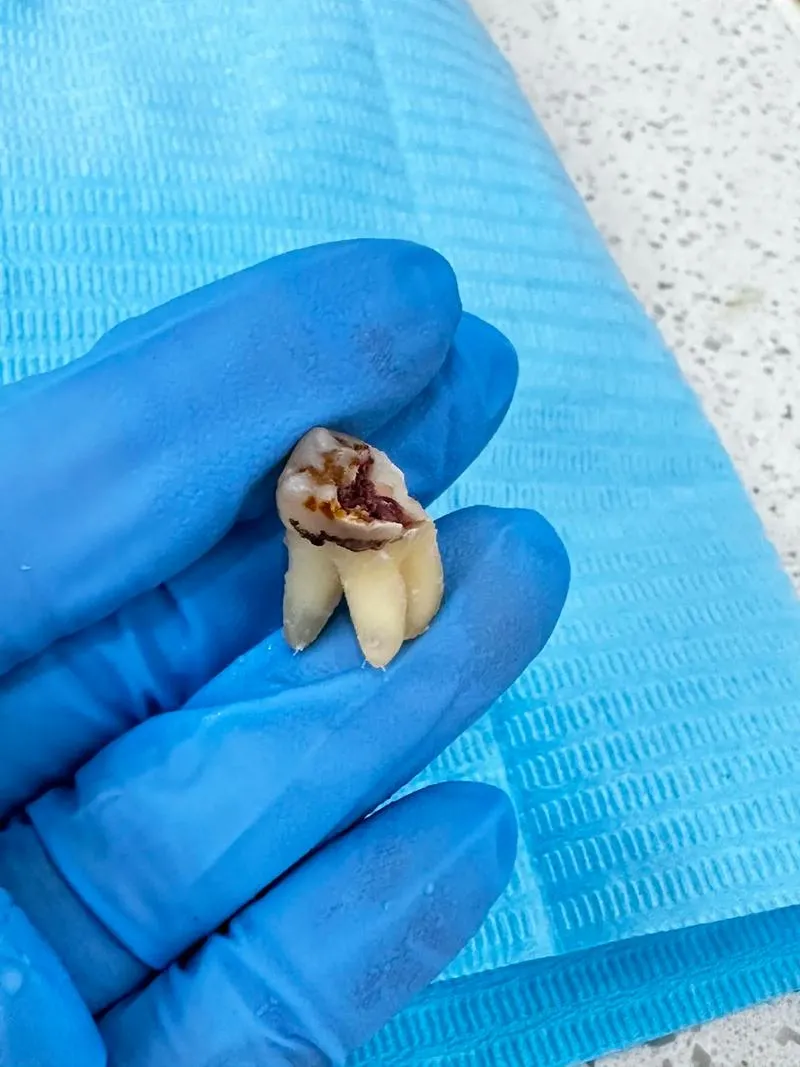
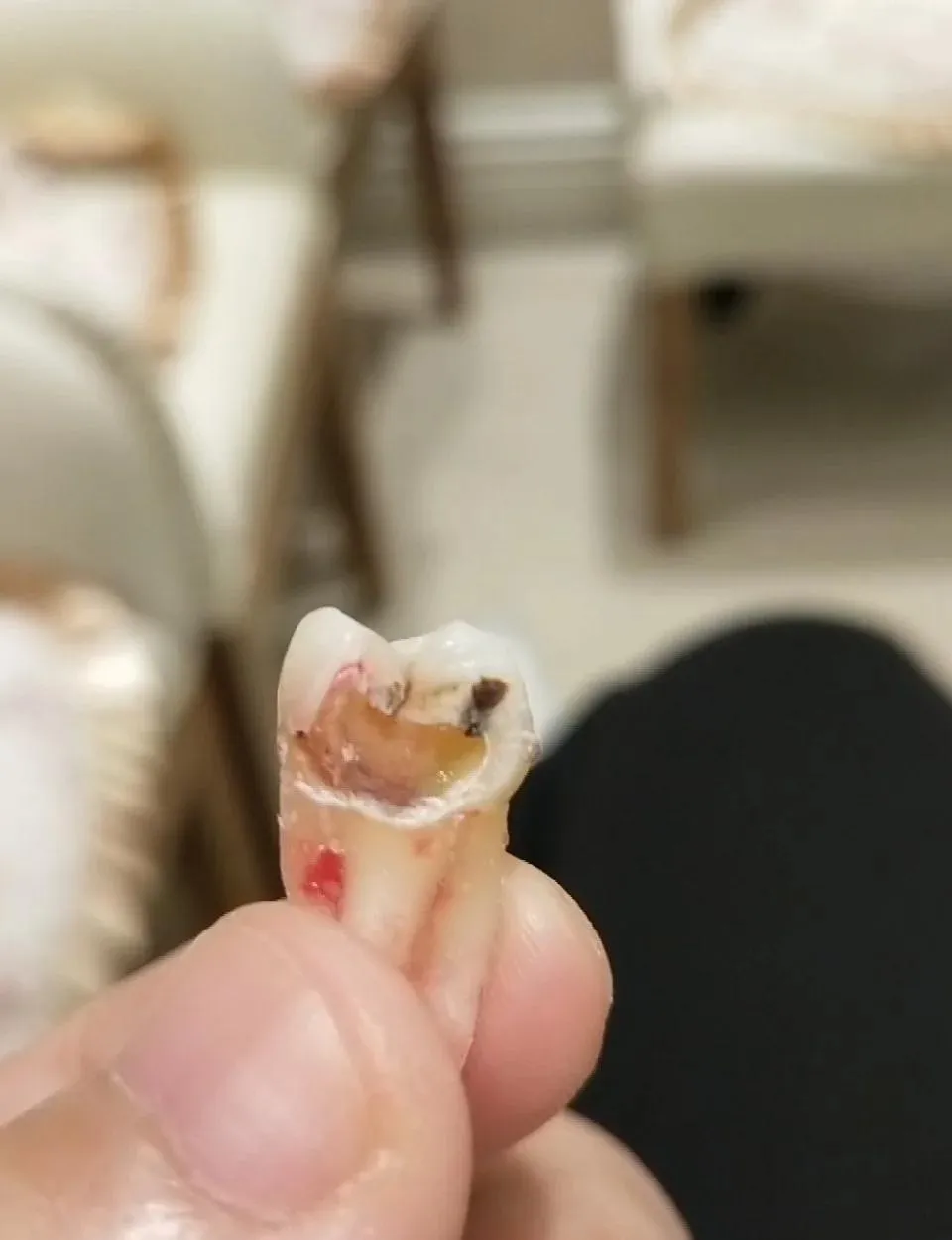
- Cavities can start early. In Thailand, early childhood caries is still common, especially with frequent snacking on kanom and sugary drinks. A first dental visit by your child’s first birthday, or when the first tooth appears, helps catch problems before they become painful.
- Baby teeth guide adult teeth. They hold space for permanent teeth and support clear speech and good nutrition.
- Habits form quickly. A quick check-up early on gives parents practical, local tips on brushing routines, diet, and fluoride—so the whole family can stay on the same page.
What happens during an early visit in Thailand
Most pediatric dentistry clinics in Bangkok, Chiang Mai, Phuket, Pattaya, Khon Kaen and other cities follow a calm, child-friendly approach:
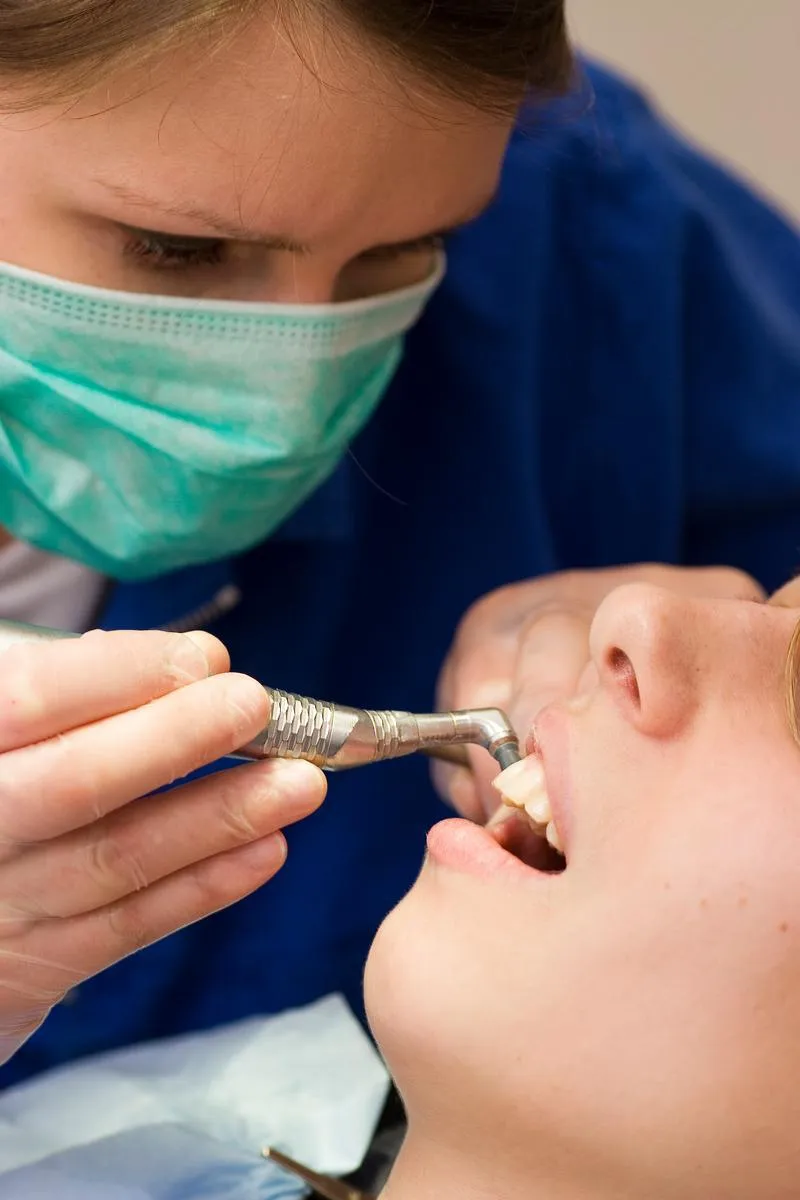
- Gentle exam and caries risk assessment. The dentist checks teeth, gums, bite, and oral habits like thumb sucking or prolonged bottle use.
- Diet and lifestyle chat. Expect friendly questions about milk, sweet drinks, snacks, and bedtime routines. Therapists often suggest Thai-style swaps—from sticky sweets to fruit, water, and plain milk.
- Brushing demo. You’ll see exactly how to brush a wriggly toddler’s teeth in under two minutes, with guidance on using a rice-grain smear of fluoride toothpaste (around 1,000 ppm for under 3s; a pea-sized amount for 3–6 years, as advised) and how to spit, not rinse.
- Fluoride varnish. Many clinics offer fluoride varnish to harden enamel and reduce early decay. It’s quick, safe, and well tolerated.
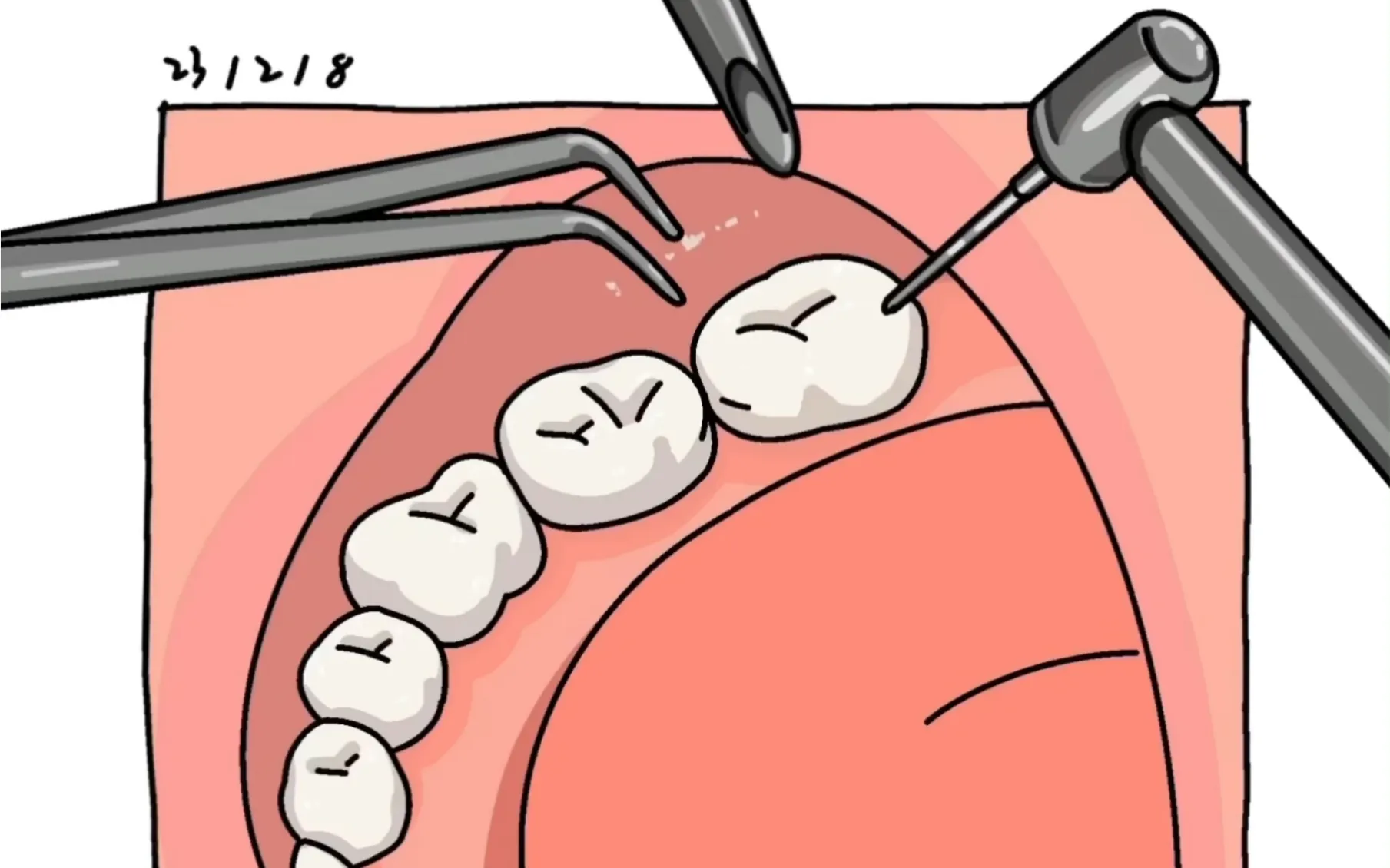
- Preventive add-ons. Depending on age and risk, your child may be a candidate for sealants on deep grooves of molars or silver diamine fluoride (SDF) to stop early decay without drilling.
- Teething and trauma advice. You’ll get tips for soothing teething and what to do if a little tumble chips or knocks a tooth.
Choosing a pediatric dentistry clinic in Thailand
Look for these helpful signs:
- Board-certified pediatric dentists. Many clinics list dentists with Thai Board of Pediatric Dentistry credentials.
- Child-ready set-up. Kid-sized chairs, a soft play corner, and gentle behaviour guidance (Tell-Show-Do) make visits sabai-sabai for nervous little ones.
- Clear communication. English- and Thai-speaking teams are common in major cities, with easy booking via LINE OA and reminders by SMS.
- Flexible hours. Evening and weekend slots suit school schedules; some clinics open on Sunday or public holidays.
- Evidence-based prevention. Ask about fluoride varnish, sealants, and dietary counselling—not just fillings.
- Sedation options if needed. Nitrous oxide (laughing gas) is available in many Bangkok and regional clinics; larger hospitals can provide general anaesthesia for extensive work in a safe, controlled setting.
- Transparent fees and payment. Most clinics accept cash, cards, QR PromptPay, and e-receipts for insurance claims.
Typical fees you may see (estimates, in THB)
- Early oral health
assessment and cleaning: 500–1,500
- Fluoride varnish: 600–1,200
- Sealant (per tooth): 800–1,500
- SDF (per tooth): 800–1,200
- Nitrous oxide sedation (per visit, add-on): 2,000–4,000
Fees vary by city and clinic; hospitals and international clinics may be higher, while community practices upcountry can be more affordable.
Local timing tips for Thai families
- Book early around term breaks, Songkran, and New Year—these are peak periods for families.
- After-school appointments fill up fast; consider mornings for toddlers when they’re fresh.
- Rainy-season traffic can be heavy in Bangkok; leave extra time, or choose clinics near BTS/MRT for easier access.
Practical home routines that work in Thailand
- Night-time bottle check. Avoid sweetened milk, Ovaltine, or tea in bottles. If your child needs a comfort feed, finish with water before sleep.
- Smart snack swaps. Limit sticky sweets and sweet breads. Offer fruits, yoghurt without added sugar, rice crackers, or nuts (age-appropriate).
- Brushing twice a day. Use a small, soft brush and fluoride toothpaste. For toddlers, brush for them; for older kids, brush together and let them “have a turn” first.
- Drink water often. With Thailand’s heat, sipping water instead of sweet drinks is a big win for teeth and overall health.
- Make it fun. Use a short Thai cartoon song, a sticker chart, or a timer to keep the brushing routine sanuk for the kids.
What to ask at your first appointment
- Is my child’s cavity risk low, medium, or high, and why?
- How often should we come back—every 3 months, 6 months, or yearly?
- Should we apply fluoride varnish today?
- Are sealants recommended for my child’s molars?
- Any concerns about thumb sucking, pacifiers, tongue-tie, or mouth breathing?
- Which toothpaste strength and amount should we use at home?
Where to find clinics
- Bangkok: Numerous pediatric-focused clinics around Sukhumvit, Sathorn, Ari, and Ratchada, plus children’s dental departments in major hospitals.
- Chiang Mai: Family-friendly clinics near Nimmanhaemin and around the old city; university-affiliated hospitals offer pediatric services.
- Phuket and Pattaya: Tourist hubs with bilingual teams accustomed to expat and visiting families, with weekend hours.
- Upcountry: Provincial capitals and university hospitals typically have pediatric dental services; smaller towns often host visiting pediatric dentists on certain days.
Safety and comfort are top priorities
Thai pediatric clinics are known for their warm, respectful approach. Staff often introduce instruments in a playful way, allow a parent in the room, and use gentle language to reduce anxiety. Low-dose digital X-rays are used only when clinically necessary, especially for very young children.
The takeaway for parents in Thailand
An early oral health assessment is not just a quick look; it’s a personalised roadmap for your child’s mouth, designed around local diets, routines, and access to care. Whether you’re in a Bangkok condo or upcountry near rice fields, making that first appointment by age one—and keeping regular check-ups—can prevent cavities, save money, and keep smiles bright. With child-friendly clinics across Thailand, easy LINE booking, and practical guidance you can use the same day, starting early is truly the simplest way to keep little teeth healthy.