Thailand Pediatric Dentistry Services for Families Seeking Affordable Care
Thailand Pediatric Dentistry Services for Families Seeking Affordable Care
If you are raising kids in Thailand, you know that a healthy smile is part of growing up well. The good news is that Thailand offers a wide range of pediatric dentistry services that are friendly, professional, and, importantly, affordable. Whether you live in Bangkok near the BTS and MRT, in Chiang Mai, Phuket, Khon Kaen, or a smaller province, you can find options that fit your budget without compromising on care.
What pediatric dentistry covers
A pediatric dentist (often called “mor fun dek” in Thai) focuses on children from infancy through the teen years. Services commonly include:
- First check-ups from the time the first tooth appears or by age one
- Regular cleaning and fluoride varnish to protect against decay
- Fissure sealants to shield the grooves on molars
- Fillings, pulp therapy, and stainless steel crowns for baby teeth when needed
- Space maintainers if a baby tooth is lost early
- Habit guidance for thumb sucking, pacifier use, and mouth breathing
- Orthodontic assessments for crowding and bite issues
- Emergency care for toothaches, broken teeth, or dental injuries
- Behavior management, nitrous oxide (“laughing gas”), or sedation when necessary
Where to find affordable pediatric dental care in Thailand
One of the strengths of the Thai health system is the variety of providers. You can match your child’s needs and your budget to the right setting.
- Government hospitals and community hospitals: Most public hospitals have dental departments with pediatric services. Fees are generally the lowest, especially for Thai citizens using their assigned hospital. The trade-off is longer queues, so plan to go early, take a queue number, and bring some activities for your child.
- University dental hospitals: Dental schools in Bangkok, Chiang Mai, Khon Kaen, and other cities run teaching clinics. Children are treated by dental students or residents under close supervision by specialists. Prices are reasonable, but appointments can be longer. These clinics are great for preventive care, sealants, and non-urgent treatment.
- Public health centers (sala sukkhaphap): Many have dental corners for basic services like cleanings, fluoride, and simple fillings at very low cost. They also run school outreach and screening days.
- Private pediatric clinics and family dental clinics: Private clinics offer shorter waiting times, weekend slots, child-friendly play corners, and bilingual staff. Many clinics run seasonal promotions or packages (for example, check-up + cleaning + fluoride) at a reasonable price. Check Facebook pages, Line official accounts, or Google Maps reviews for current deals and real feedback.
Typical costs to expect
Prices vary by city and clinic, but these ballpark figures in Thai baht (THB) can help you plan:
- Exam and consultation: 300–800
- Cleaning and fluoride varnish: 600–1,500
- Sealant per tooth: 800–1,500
- Small filling (baby tooth): 800–2,000
- Pulp therapy (baby tooth): 2,000–4,000
- Stainless steel crown (baby tooth): 2,500–5,000
- Extraction (simple): 800–2,000
- Nitrous oxide sedation add-on: 1,500–3,000 per session
- General anesthesia in hospital for multiple procedures: can start from tens of thousands depending on case and facility
Always ask for an itemized treatment plan and quote before starting. It’s normal in Thailand to request a second opinion, and most dentists are comfortable explaining options in simple terms.
Insurance and entitlements
- Thai citizens: Under the Universal Coverage Scheme (gold card), many preventive services for children, including cleanings, fluoride, and basic fillings at your registered facility, are highly subsidized. Social Security patients also have benefits at contracted facilities. Bring your ID and check your rights before treatment.
- School p
rograms: Many public schools coordinate periodic dental checks and fluoride applications for students.
- Private insurance: Some plans include dental riders for children; pre-authorization may be required. Direct billing is available at select private hospitals and clinics, but many places are pay-and-claim. Keep receipts with treatment codes.
- Expat families: Look for clinics with clear English communication and transparent pricing. Ask about membership discounts or family packages.
How to choose the right pediatric dentist
- Qualifications: Look for a dentist with specific training in pediatric dentistry (DDS plus MSc or residency in Pediatric Dentistry). If your child has special needs or high anxiety, ask whether the clinic offers nitrous oxide, IV sedation, or has hospital privileges for general anesthesia.
- Child-friendly environment: A welcoming play area, gentle staff, and behavior guidance techniques make a big difference for young patients.
- Communication: Bilingual Thai-English teams are common in bigger cities. Don’t hesitate to ask questions in plain language and request photos or drawings to understand the plan.
- Location and access: A clinic near BTS/MRT or with convenient parking saves stress. Weekend or evening hours help busy families.
- Reviews and referrals: Google Maps reviews, parenting groups, and school communities are helpful. Word of mouth remains strong in Thailand.
Booking and appointment tips
- Contact the clinic via phone, Line, or Facebook Messenger. Many clinics accept screenshots of X-rays or prior records to give rough estimates.
- For public hospitals, arrive early to get a queue number. Bring ID/passport, your child’s health book if available, and previous dental records.
- If sedation is planned, follow fasting instructions strictly and confirm the fee structure, recovery time, and escort requirements.
- After treatment, ask for written aftercare instructions in English or Thai and save the clinic’s Line ID for quick follow-up.
Preparing your child for a smooth visit
- Use positive, simple words: “The dentist will count your teeth and make them shiny.”
- Schedule morning appointments when kids are fresh.
- Bring a favorite toy or small blanket.
- Avoid promising sweets as a reward; consider a sticker or a visit to the park instead.
- Never use the dentist as a threat. The goal is to build trust.
Prevention at home to keep costs low
- Brush twice a day with fluoride toothpaste. For under 3 years, use a tiny smear; from 3–6 years, a pea-sized amount. Parents should help or supervise until at least age 7–8.
- Start flossing where teeth touch.
- Limit sugary snacks and drinks, especially before bedtime. If your child needs milk at night, brush after.
- Consider sealants for permanent molars soon after they erupt.
- If your child plays contact sports, ask about a custom mouthguard.
What to do in a dental emergency
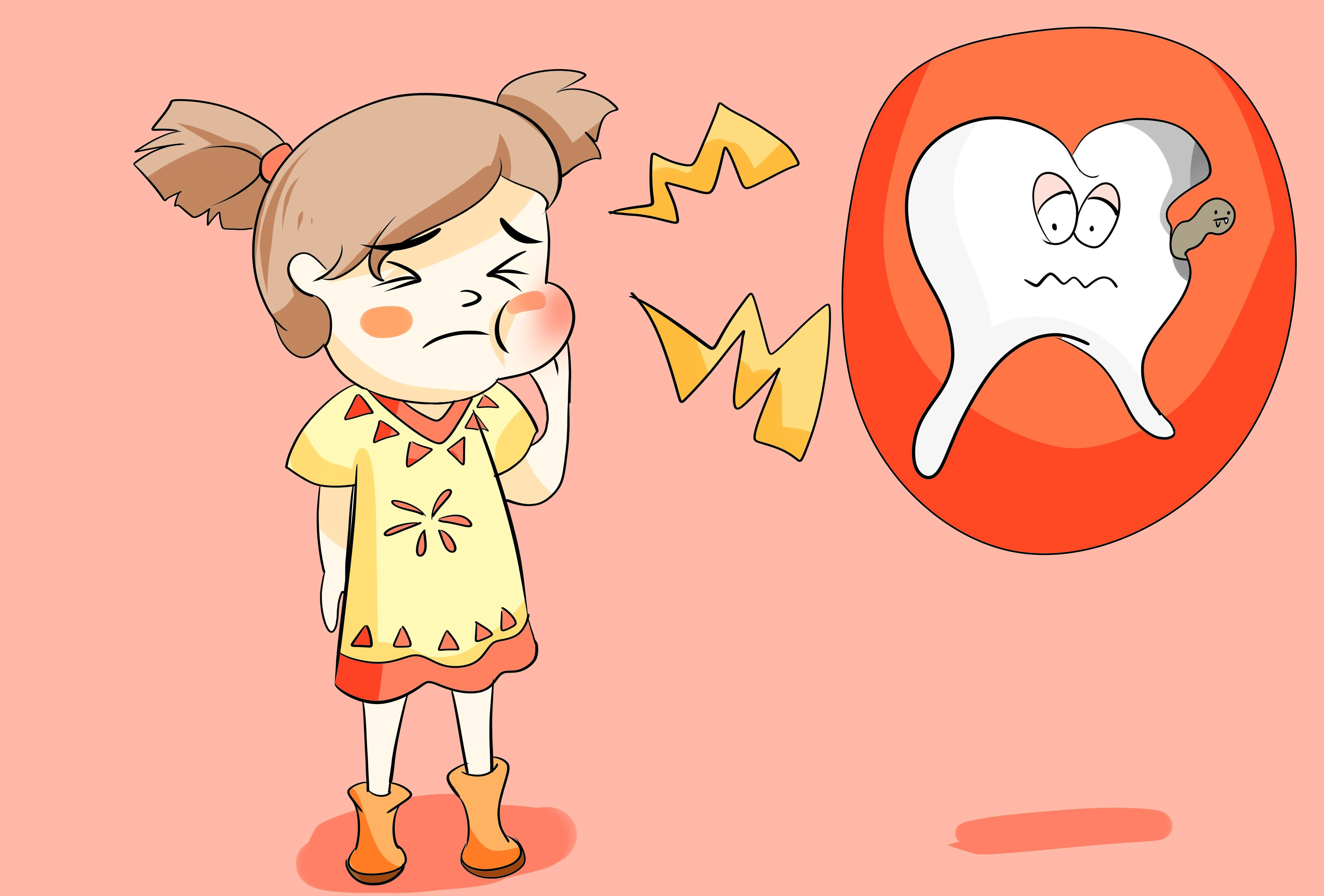
- Toothache: Rinse with warm water, gently floss to remove trapped food, and give child-appropriate pain relief if needed. Avoid aspirin on the gum. Call the clinic for the earliest slot.
- Broken tooth: Save any fragments in milk or saline. Apply a cold compress outside the mouth and see a dentist quickly.
- Knocked-out tooth: For a permanent tooth, do not scrub the root. If possible, reinsert gently and have your child bite on gauze, or store the tooth in milk and reach a dentist within 60 minutes. For a baby tooth, do not reinsert; see a dentist to check for injury.
Thailand’s mix of public, university, and private clinics means families can find pediatric dentistry that suits their budget and their child’s temperament. With a little planning—checking benefits, comparing options, and focusing on prevention—you can keep your child’s smile bright without breaking the bank.