Thailand Pediatric Dentistry Care With Advanced Dental Care Methods
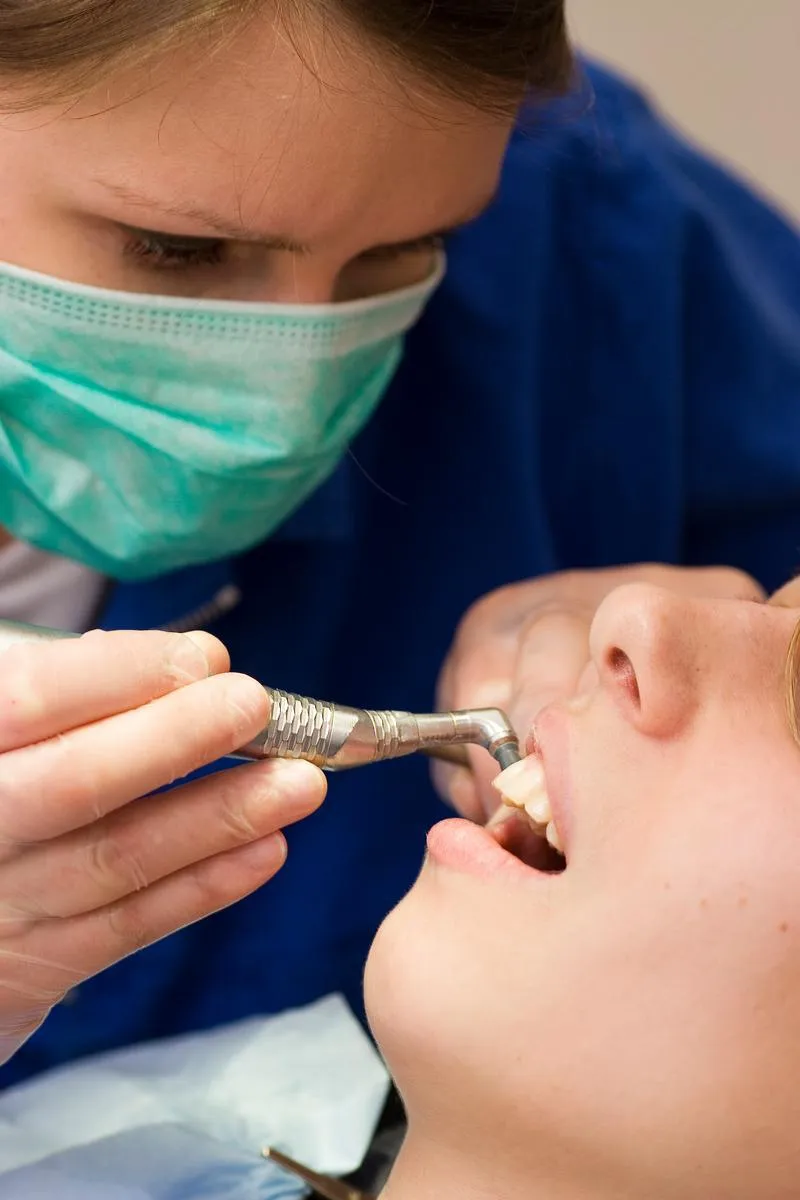
Thailand Pediatric Dentistry Care With Advanced Dental Care Methods
Looking for gentle, reliable dental care for your child in Thailand? Good news: pediatric dentistry here has grown rapidly, blending a warm, family-friendly approach with advanced dental care methods that make visits faster, safer, and more comfortable. Whether you’re in Bangkok, Chiang Mai, Phuket, or a provincial town, you can find child-focused clinics and hospital departments that take care of little teeth with international-standard techniques and a big Thai smile.
Why early pediatric dental care matters
- First visits by age one: In Thailand, dentists often recommend the first check-up around your child’s first birthday or when the first tooth erupts. This gets your kiddo familiar with the clinic and helps catch issues early.
- Preventing decay in a sugar-rich world: From after-school milk tea to mango sticky rice and roti, sweet treats are part of daily life. Regular check-ups, fluoride, and sealants help prevent cavities even when snacks sometimes sneak in.
- Building good habits: Thai pediatric dentists are big on service mind—explaining brushing and eating tips in simple words for both mum and dad and the child, so home care is easy.
Advanced pediatric methods you’ll find in Thailand
- Digital X‑rays with low radiation: Clinics use modern sensors that cut down radiation and show images on-screen instantly, so the doctor can explain with zero guessing. Lead aprons and thyroid collars are routine.
- Intraoral scanners and photos: Instead of messy impressions, many clinics use scanners or quick photos to plan treatment. Helpful for kids with gag reflex.
- Fluoride varnish and dental sealants: Quick, painless coatings that strengthen enamel and seal the grooves of molars, reducing decay risk—especially useful during primary school years.
- Silver diamine fluoride (SDF): A great option to stop early cavities without drilling. It stains the spot dark, but it’s a smart choice for very young or anxious children to buy time until they’re ready for fillings.
- Minimally invasive fillings: Air abrasion, micro-instruments, and tooth‑colored materials help preserve more healthy tooth structure and blend nicely with natural teeth.
- Hall technique crowns: For certain baby molar cavities, stainless steel crowns can be placed without drilling, reducing discomfort and chair time.
- Laser dentistry: Selected clinics offer laser options for soft‑tissue work like tongue‑tie release (frenectomy) and sometimes for decay removal, aiming for faster healing and less bleeding.
- Behavior management and nitrous oxide: Pediatric teams are trained in tell–show–do, positive reinforcement, and distraction. For anxious kids, nitrous oxide (“happy air”) provides mild sedation while keeping your child awake and cooperative. For extensive work, treatment under general anaesthesia is available in hospital settings.
- Rubber dam isolation: A small sheet that keeps the tooth dry and protects the mouth during fillings—safer and cleaner, which means better, longer-lasting results.
- Bioactive materials: Modern pulpotomy agents and tooth‑colored crowns (including zirconia options) improve comfort and aesthetics for front teeth.
What to expect at a child-friendly clinic
- Gentle first visit: The first appointment is often just a check-up and cleaning. The dentist will count teeth, assess bite, and show your child the instruments in a fun way—making it sanuk (enjoyable) rather than scary.
- Clear explanations: Doctors and staff usually speak Thai and English, and many clinics are used to international families. You’ll get a simple treatment plan, cost estimate, and home-care advice before anything starts.
- Short, comfy sessions: For little ones, shorter appointments are common. Clinic
s schedule during school holiday or Saturday mornings when kids are fresh. If you prefer, ask for back-to-back visits for siblings to reduce trips.
- Strong hygiene standards: Autoclaved instruments, surface disinfection, and sterilization logs follow Thai Dental Council and Ministry of Public Health protocols. Many clinics display their sterilization process for transparency.
Daily care tips that fit Thai family life
- Brush twice a day: Use a smear of fluoride toothpaste for under 3 years and a pea‑sized amount from 3 to 6 years. Two minutes, morning and night. Parents should help until at least 7 or 8.
- Watch sweet timing: It’s not only the amount of sugar but the frequency. Try to keep sweets with meals, rinse with water after sticky snacks, and avoid sipping sweet drinks over long periods.
- Floss when teeth touch: Back baby teeth often touch tightly. Flossing helps prevent cavities between teeth—which are common in primary school kids.
- Mouthguards for sports: If your child plays football, basketball, or Muay Thai, a custom or boil‑and‑bite mouthguard can prevent dental injuries.
- Regular check-ups: Every 6 months is standard. If your child is high risk for cavities, your dentist may advise every 3–4 months for a while.
Choosing the right pediatric dentist in Thailand
- Look for a pediatric specialist: A DDS with extra training in pediatric dentistry (often listed as “Ped Dentist” or “DDS, MSc (Pediatric Dentistry)”).
- Check clinic vibe: Play area, child-sized chairs, friendly nurses—these small things matter. A calm child means smoother treatment.
- Ask about advanced options: Inquire about digital X‑rays, sealants, nitrous oxide, SDF, and minimally invasive techniques.
- Communication and trust: Pick a team that explains clearly, respects your child’s pace, and doesn’t rush you into decisions.
- Location and access: Near BTS/MRT, parking, or close to school can make visits easier. Many clinics accept bookings via LINE, Facebook, or phone with SMS reminders.
Cost and coverage basics
- Transparent pricing: Private clinics usually provide a price list for check-ups, cleaning, fluoride, sealants, fillings, and crowns. Government hospitals can be more budget‑friendly but may have a longer queue.
- Insurance and social schemes: Some international and local insurance plans cover pediatric dental care. For public hospitals, certain services may be supported under national schemes; check with the hospital’s dental department for the latest updates.
- Value of prevention: Investing in fluoride and sealants early often reduces the need for fillings or crowns later, saving time, money, and stress.
When to book an appointment
- First tooth or first birthday
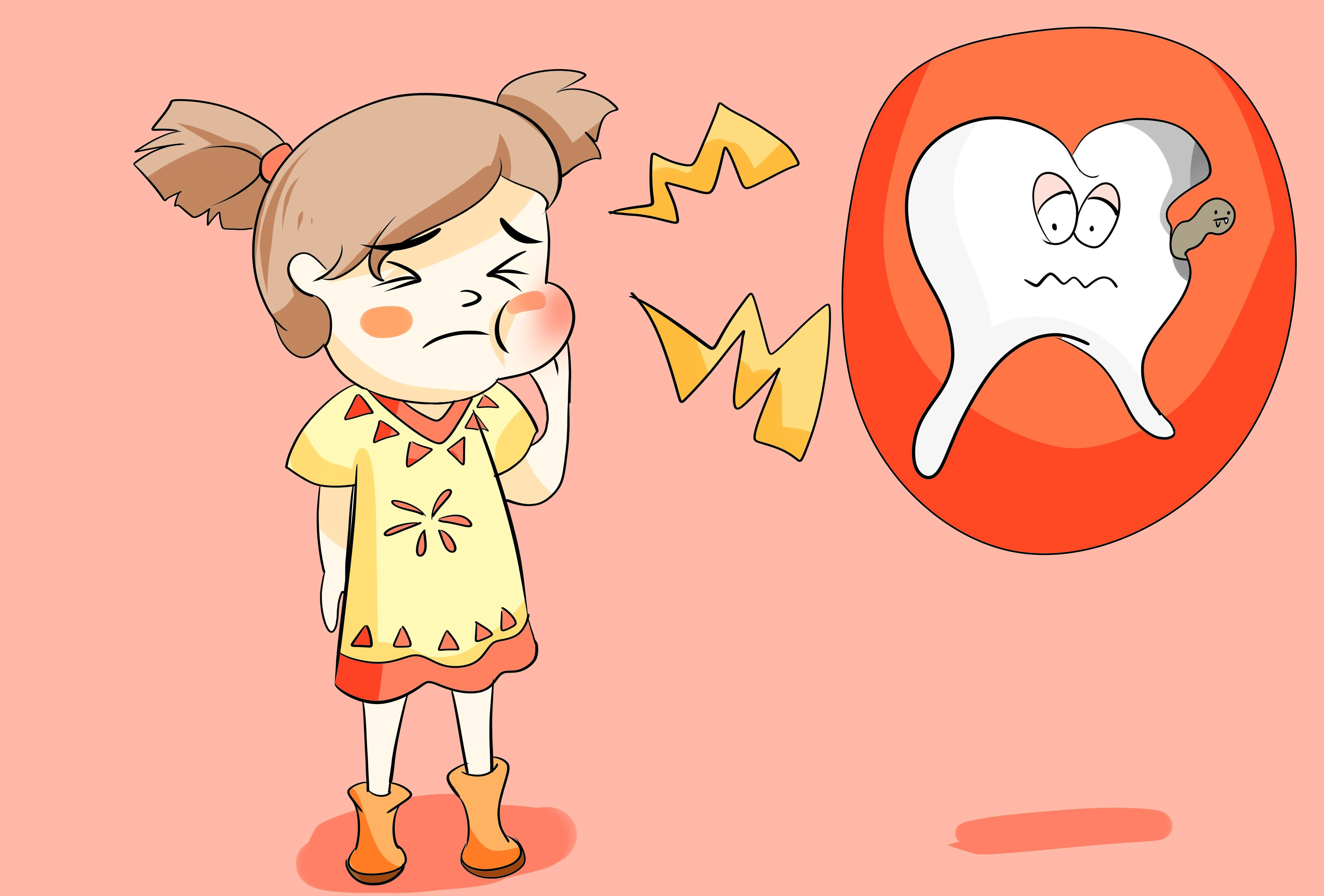
- Toothache, sensitivity to cold/sweet, or white/chalky spots on teeth
- Ulcers, tongue-tie concerns, or speech issues
- Bad breath that doesn’t improve with brushing
- Dental injuries from falls or sports
Making the visit smooth
- Choose morning slots for younger children when they’re fresh.
- Bring a favorite toy or storybook; many clinics also have cartoons ready.
- Keep pre-visit messaging positive—say “the dentist will help clean your teeth and make them strong.”
- After treatment, follow the dentist’s after‑care advice, such as soft food for a few hours or avoiding hot drinks if local anaesthesia was used.
Thailand’s pediatric dental scene blends heartfelt care with the latest science. With digital diagnostics, minimally invasive treatments, and a strong emphasis on prevention, your child can enjoy healthier teeth with less fear and fewer big procedures. Find a clinic with a good service mind, let the team guide you step by step, and make oral care a small, sanuk part of your family’s routine.