Thailand Pediatric Dentistry Care for Happy Healthy Childrens Teeth
Thailand Pediatric Dentistry Care for Happy Healthy Childrens Teeth
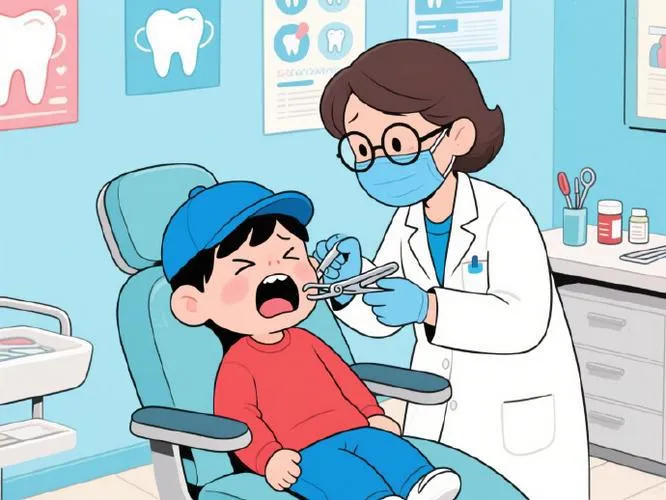
A bright smile is part of everyday life in Thailand, and helping children keep their teeth strong and healthy is a team effort between families and friendly pediatric dentists. Pediatric dentistry in Thailand blends solid clinical care with a sabai, child‑friendly approach that makes visits feel more like a fun learning moment than a scary appointment. Whether you live in Bangkok, Chiang Mai, Phuket, or upcountry, understanding how children’s dental care works here will help you keep your little one’s grin happy and healthy.
Why early dental visits matter
The best time for the first dental visit is by your child’s first birthday or within six months of the first tooth erupting. Starting early lets the pediatric dentist check growth, spot early decay, and coach parents on brushing, diet, and habits. Early visits also help children feel relaxed in the clinic, so future check‑ups are no worries. In Thailand, many pediatric clinics encourage “knee‑to‑knee” exams for toddlers, where your child sits on your lap while the dentist takes a quick look and gives positive reinforcement.
What to expect at a pediatric dental clinic in Thailand
Pediatric dentists are trained to care for babies, children, and teens, including kids who feel anxious or have special needs. Clinics typically offer:
- Tell‑Show‑Do: the dentist shows instruments, explains in simple words, then gently performs the procedure.
- Child‑friendly spaces: play corners, cartoons, and small rewards to keep the visit sanuk (fun).
- Preventive focus: cleanings, fluoride varnish, and dental sealants are emphasized.
- Comfort options: for nervous patients or longer treatments, nitrous oxide (laughing gas) or other sedation may be available at selected clinics.
- X‑rays when needed: low‑dose digital X‑rays are taken only when they help diagnose hidden issues.
Many Thai pediatric dentists speak English and Thai, which helps mixed‑language families feel at ease. Weekend hours and locations near BTS or MRT in major cities make visits convenient for busy parents.
The core of prevention: fluoride, sealants, and cleanings
- Fluoride varnish: A quick, paint‑on fluoride treatment strengthens enamel and helps reverse early decay. For higher‑risk children, application every 3–6 months is common.
- Dental sealants: These thin, protective coatings are placed on the chewing surfaces of permanent molars, usually around ages 6–7 and again at 11–12. They help block food and bacteria from settling into deep grooves.
- Professional cleanings: Regular cleanings remove plaque and tartar and let the dentist coach kids on brushing technique in a friendly way.
At‑home habits that work in Thailand
- Brush twice a day with a fluoride toothpaste. For children under 3 years, use a smear the size of a grain of rice. From 3–6 years, use a pea‑sized amount. Help your child brush until they can tie their own shoelaces, then supervise.
- Spit, don’t rinse. After brushing, ask your child to spit out toothpaste but avoid rinsing with water, so fluoride stays on the teeth.
- Nighttime routine: Avoid letting your child fall asleep with a bottle of milk, sweetened milk, juices, or sweet drinks. If they need a bottle, use plain water only.
- Floss once daily when any two teeth touch. Floss picks can make it easier for small hands.
Smart diet choices for Thai families
Thai cuisine is delicious, but many common snacks are sticky or sugary. To reduce the risk of cavities:
- Keep sweets to mealtimes rather than frequent snacking. Sal
iva flow is higher at meals and helps neutralize acids.
- Watch out for sweet drinks: milk tea, sweetened soy milk, flavored yogurt drinks, and soft drinks are popular but can cause decay, especially when sipped throughout the day.
- Sticky treats like gummy candies, tamarind sweets, dried fruits, and roti with sweetened condensed milk cling to teeth. Offer fresh fruits, nuts (age‑appropriate to avoid choking), unsweetened yogurt, cheese, and water instead.
- Encourage drinking water (room temperature is fine) after school and sports. Occasional fresh coconut water is okay, but it still contains natural sugars—enjoy with meals.
Common treatments explained simply
- Tooth‑colored fillings: Used to restore small to moderate cavities while blending with natural teeth.
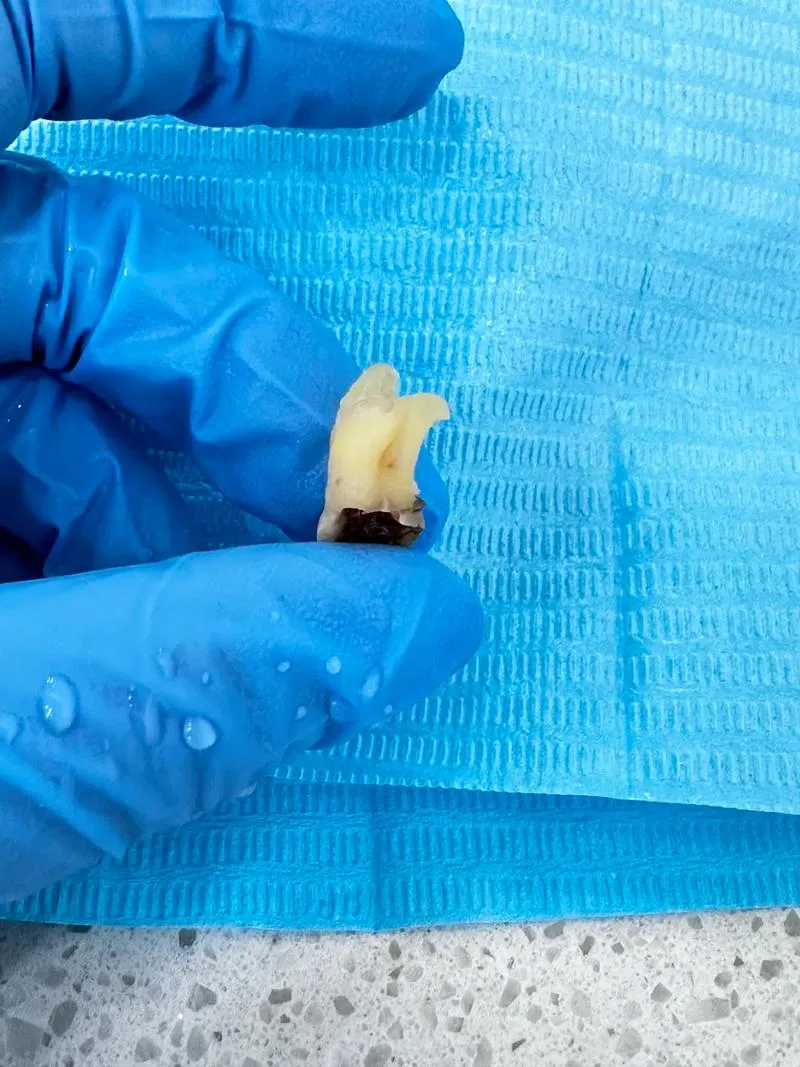
- Stainless steel crowns: Durable caps for baby molars with large cavities or after nerve treatment; they protect the tooth until it naturally falls out.
- Pulp therapy (pulpotomy): When decay reaches the nerve in a baby tooth, this treatment can relieve pain and save the tooth.
- Space maintainers: If a baby tooth is lost early, a small appliance can hold space for the adult tooth and help keep alignment on track.
- Orthodontic guidance: Pediatric dentists monitor growth and may refer for early orthodontics if crowding, crossbites, or habits like thumb sucking affect the bite.
If dental trauma happens
Active play is part of childhood. If a permanent tooth is knocked out, gently rinse it with saline or milk (do not scrub), place it back in the socket if possible, or store it in milk, saline, or the child’s saliva, and go to a dentist immediately—ideally within 60 minutes. For baby teeth, do not reimplant; see a dentist promptly to check for injury.
Choosing a pediatric dentist in Thailand
Consider these points when selecting a clinic:
- Credentials: Look for a board‑certified pediatric dentist registered with the Dental Council of Thailand.
- Child‑friendly environment: Calming staff, patient explanations, and a sanuk atmosphere help your child feel safe.
- Preventive approach: Clinics that emphasize education, fluoride, and sealants usually deliver better long‑term outcomes.
- Convenience: Proximity to BTS/MRT, parking, and weekend hours can make regular visits easier.
- Clear fees and options: Ask about costs, payment plans, and whether the clinic offers sedation dentistry if needed.
Costs vary by city and clinic. As a general guide in private clinics, routine check‑ups and cleanings may range from a few hundred to around one thousand baht, fluoride varnish from several hundred to around one thousand baht per application, and fillings or crowns higher depending on size and materials. Always request an estimate before treatment. Some employer or international insurance plans may reimburse pediatric dental care; bring your card and check claim procedures.
Community and school support
Many schools in Thailand encourage regular dental certificates and invite dental teams for screenings. Take advantage of these programs, but remember they complement, not replace, full dental check‑ups.
Growing healthy smiles, Thai style
The recipe for happy, healthy children’s teeth in Thailand is simple: start early, keep preventive visits regular, make brushing a daily habit, enjoy sweets mindfully, and choose a pediatric dentist who makes care feel gentle and fun. With a little planning and a lot of encouragement, your child’s smile will stay strong, confident, and ready for every “Sawasdee” photo.