Thailand Pediatric Dentistry Services for Childrens Tooth Development
Thailand Pediatric Dentistry Services for Childrens Tooth Development
If you are raising kids in Thailand, you already know how quickly life moves between school runs, weekend markets, and trips upcountry during long holidays. Children’s teeth grow just as fast, and looking after them from the start makes a big difference. Thailand’s pediatric dentistry services are designed to guide children’s tooth development gently and effectively, with care that fits local lifestyles—from Bangkok’s BTS-and-MRT convenience to quieter clinics in Chiang Mai, Phuket, and Khon Kaen. Here is what parents should know to keep little smiles healthy and confident.
Why start dental visits early
Baby teeth may be small, but they set the foundation for speech, proper chewing, and jaw growth. Most pediatric dentists in Thailand recommend the first check-up by the first birthday or within six months of the first tooth. Early visits let the dentist track tooth eruption, spot early signs of decay, and help parents build good routines at home. Starting young also helps children feel comfortable in the clinic, so future visits are easy—no drama, no tears.
What to expect at a Thai pediatric dental clinic
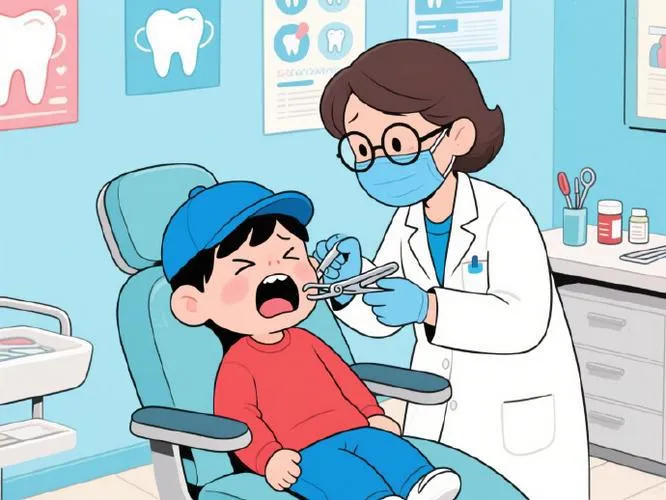
Thailand’s pediatric dental teams are trained to make visits calm and friendly. Many clinics use the “Tell–Show–Do” approach: explain, demonstrate on a model or finger, then perform the procedure. Expect a warm welcome, kid-sized chairs, and cartoons on the ceiling TV. If your child is shy, clinics are used to giving extra time. Some offer Saturday or evening slots to fit after-school schedules.
Board-certified pediatric dentists (registered with the Dental Council of Thailand) focus on children from infancy through the teen years. Clinics may offer bilingual service in Thai and English, and staff are familiar with local school requirements, like dental certificates for certain activities or health records.
Core services that support tooth development
- Growth and eruption monitoring: The dentist checks if teeth are coming in on time and in the right position. Regular exams every six months help catch crowding or crossbites early, so small corrections can guide the jaw as it grows.
- Professional cleaning and polishing: Gentle scaling removes plaque and tartar in hard-to-brush areas. This reduces gum inflammation and keeps enamel strong during active growth phases.
- Fluoride treatments: Because Thailand does not have widespread water fluoridation, fluoride varnish at the clinic is a key protective step. It strengthens enamel and lowers the risk of cavities, especially for kids who enjoy sweet drinks.
- Fissure sealants: A thin protective coating on the chewing surfaces of molars prevents food and bacteria from settling in deep grooves. This is common for children aged 6–12 when permanent molars erupt.
- Habit counseling: Advice for weaning from nighttime bottles, limiting juice and milk before bed, and managing thumb sucking or pacifier use. Small changes here can prevent front teeth misalignment and early decay.
- X‑rays with child-safe protocols: When needed, digital X‑rays use low radiation to check for hidden decay, tooth development, or missing teeth (common in certain genetic patterns). Protective aprons and fast imaging keep kids comfortable.
- Trauma management: Active kids fall. Pediatric dentists are trained to handle chipped or knocked-out teeth, giving step-by-step guidance for emergencies and protecting developing tooth buds.
- Space maintainers and interceptive orthodontics: If a baby tooth is lost early, a small device can hold space for the permanent tooth. Early orthodontic evaluation (often from age 7) may reduce the need for complex treatment later.
- Behavior guidance and comfort options: For anxious children, clinics m
ay offer nitrous oxide (laughing gas) or, in selected cases, treatment under sedation at a hospital setting. The goal is always safety, cooperation, and a positive experience.
Common issues for kids in Thailand—and how clinics help
Thai iced tea, milk tea, and sweet snacks from 7‑Eleven are part of daily life for many families. Frequent sipping means teeth are bathed in sugar and acid, increasing cavity risk. Pediatric dentists will suggest practical swaps (water between sweet drinks, limiting sticky sweets like caramel or dried fruits) and timing tips (keep sugary treats with meals, not as all-day snacks).
Night feeding is another local concern. Long-term bottle or breastfeeding on demand through the night can lead to “early childhood caries.” Dentists can help parents slowly transition to cups and set a bedtime brushing routine, so teeth are clean before sleep. For kids with mouth breathing during allergy season, clinics watch for dry mouth and gum issues and provide tailored home care advice.
Choosing a pediatric dental clinic in Thailand
- Location and access: In Bangkok, many clinics sit near BTS or MRT stations for easy travel—think Asok, Siam, Ari, or Thonglor. Upcountry, check proximity to your child’s school or your main road to reduce missed appointments during rainy season.
- Qualifications: Look for pediatric dentists with specialized training and memberships in local or international pediatric dental associations.
- Child-friendly approach: Ask about their behavior guidance methods, whether they allow parents in the room for younger children, and how they handle first-time visits.
- Preventive focus: A good clinic prioritizes education, fluoride, sealants, and regular recall—treatment comes after prevention.
- Clear communication: Bilingual staff, simple explanations, and transparent treatment plans matter. Many clinics provide reminders via Line or SMS, which is convenient for busy families.
Simple home habits that make the biggest difference
- Brush twice a day with a smear or pea-sized amount of fluoride toothpaste based on age. A parent should help until at least age 7–8.
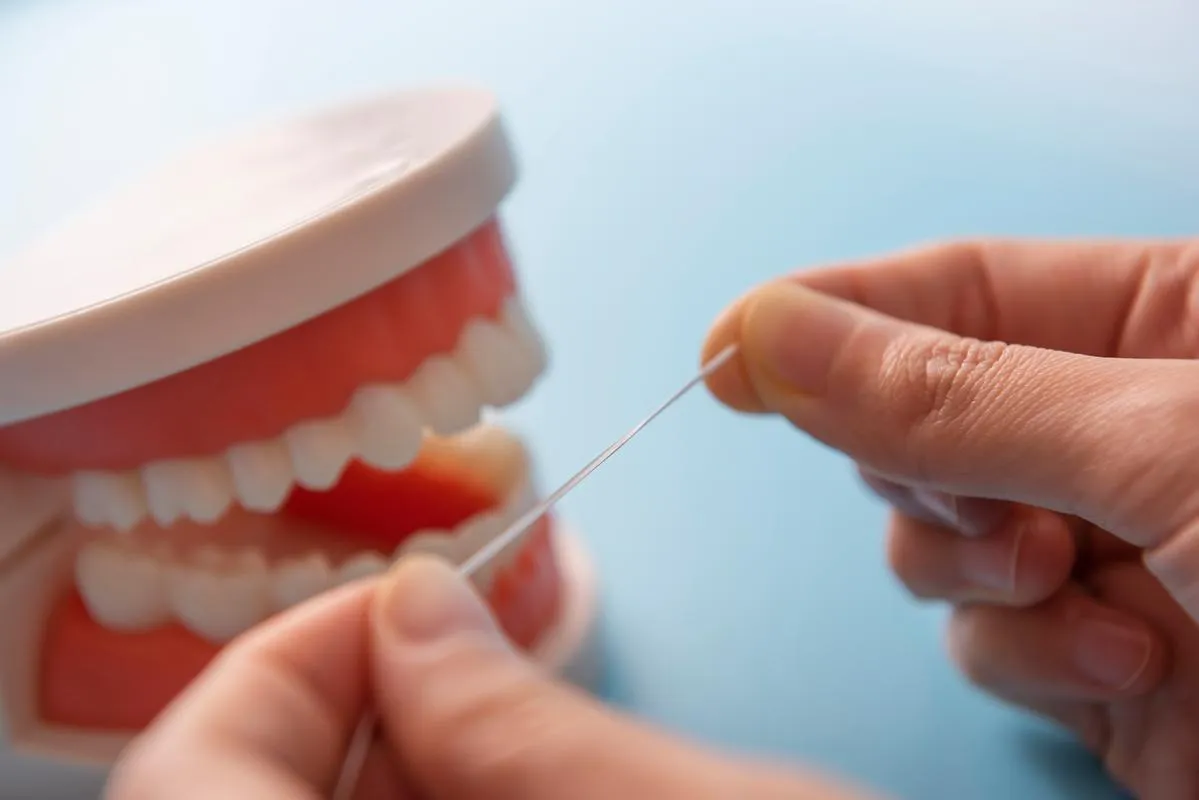
- Floss once a day where teeth touch.
- Make water the default drink, especially between meals and after sports.
- Keep sugary snacks and drinks to mealtimes; avoid grazing every hour.
- Replace toothbrushes every three months or after illness.
- Use a small, soft brush and make it fun—sing a song, use a timer, or let your child choose the toothbrush color.
How pediatric dental care supports overall development
Healthy teeth support clear speech, confident smiles, and proper nutrition. When kids can chew comfortably, they are more likely to enjoy crunchy vegetables, fruits, and protein that help the jaw and body grow well. Early correction of bite issues can also reduce headaches and mouth breathing over time. Most importantly, positive dental experiences build lifelong habits. Children who feel calm and respected at the dentist grow into adults who keep up routine care.
Final thoughts
Thailand offers friendly, high-standard pediatric dentistry with services tailored to children’s tooth development at every stage. By starting early, choosing a clinic that fits your family’s routine, and keeping a solid home routine, you can prevent most dental problems before they start. Whether your child’s first teeth are just peeking through or the first permanent molars are on the way, consistent preventive care—cleanings, fluoride, and sealants—paired with smart daily habits will keep that smile bright. In a country where good food is everywhere and family time is treasured, a little planning goes a long way to protect your child’s teeth, now and for the years ahead.