Thailand Pediatric Dentistry Services With Trusted Pediatric Experience

Thailand Pediatric Dentistry Services With Trusted Pediatric Experience
Finding a gentle, reliable dentist for your child doesn’t have to be stressful. In Thailand, pediatric dentistry blends warm, service-minded care with modern techniques and international standards. Whether you’re a Thai family or an expat living in Bangkok, Chiang Mai, Phuket, or Pattaya, you’ll find kid-friendly clinics that make dental visits feel safe, smooth, and even a bit sanook (fun).
Why Thailand is a great choice for children’s dental care
Parents here value a calm, respectful approach, and that shows the moment you step into a pediatric dental clinic. You’ll often be greeted with a friendly “Sawasdee ka/krub” and a wai, then led to bright, play-based waiting areas designed for kids. Many dentists speak English and Thai, and some also speak other languages, so international families feel at home. Thailand’s pediatric dentists typically complete specialized training in child dentistry, focusing on baby teeth, growing jaws, and teen smiles. That trusted pediatric experience means your child’s care is tailored to their stage of development, from the first tooth until braces come off.
Comprehensive pediatric dentistry services you can expect
From preventive care to emergency support, pediatric dentistry in Thailand covers the full journey:
- First dental visit and routine check-ups: Ideally by your child’s first birthday or within six months of the first tooth. Short, friendly appointments help kids feel comfortable, let the dentist check growth, and guide parents on brushing, diet, and fluoride use.
- Gentle cleanings and fluoride: Professional cleanings remove plaque your toothbrush can miss. Fluoride varnish strengthens enamel and helps prevent decay—important for baby and permanent teeth.
- Dental sealants: A thin protective layer placed on molars to reduce cavities, especially useful for school-aged children.
- Minimally invasive treatments: When cavities are small, dentists may use air abrasion, resin infiltration, or conservative fillings that preserve as much healthy tooth as possible.
- Early orthodontic evaluation: Around age 6–7, a pediatric dentist or orthodontist can assess crowding, bite alignment, and jaw growth. Interceptive treatments may guide proper development and reduce the need for complex braces later.
- Space maintainers and habit counseling: If a baby tooth is lost early, a space maintainer keeps room for the permanent tooth. Dentists also coach on thumb sucking, mouth breathing, and tongue posture.
- Management of tooth injuries: From chipped enamel to a knocked-out tooth, many clinics and hospitals offer prompt care for dental emergencies.
- Care for anxious kids and children with special needs: Pediatric dentists are trained in behavior guidance and may provide options like nitrous oxide (laughing gas) or treatment under deeper sedation in appropriate settings when necessary.
Comfort-first, child-friendly approach
Pediatric dentists in Thailand use a tell-show-do technique: they explain in simple words, show the tools, and only then do the procedure gently. Clinics often include ceiling TVs, storybooks, and reward stickers. Parents are commonly welcome chairside, so your child feels secure. For nervous little ones, desensitization visits help them warm up to the clinic, and short appointments keep things light. If your child needs more support, ask about nitrous oxide or hospital-based care. The goal is always comfort, safety, and trust.
Safety, hygiene, and technology
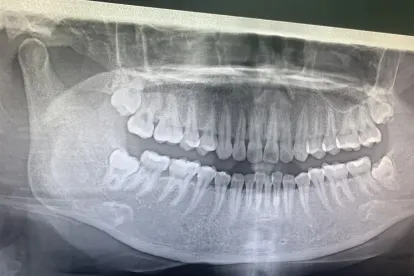
Clinics follow strict infection-control standards, with sterilized instruments and clean, well-ventilated treatment rooms. Many use digital X-rays for clear images at lower radiation doses and employ magnification for precise, gentle work. Mat
erials and techniques are chosen for durability and biocompatibility. You can also expect transparent explanations of treatment choices and fees before work begins—no surprises, no worries.
Tips for choosing a pediatric dentist in Thailand
- Credentials and experience: Look for dentists with formal pediatric training and years of experience caring for children of different ages, including toddlers and teens.
- Child-friendly environment: A welcoming team, play areas, and patience make a big difference in building positive habits.
- Communication and languages: Clear explanations in English and Thai help parents make informed decisions.
- Behavior management options: Ask about their approach to anxious kids, nitrous oxide availability, and partnerships with hospitals if sedation is needed.
- Convenience and access: Locations near BTS/MRT in Bangkok or central areas in Chiang Mai and Phuket make regular visits easy. Check parking, weekend hours, and emergency contact lines.
- Insurance and payment: Many clinics support major international insurers or provide receipts for claims. Confirm coverage and payment options in advance.
Cavity prevention that fits Thai family life
Daily habits matter. Here’s what pediatric dentists commonly recommend, adapted to local lifestyles:
- Brush twice a day with fluoride toothpaste. For ages under 3, use a rice-grain smear; from 3 to 6, a pea-sized amount; supervise until at least age 7–8.
- Floss once a day where teeth touch.
- Keep snacks to set times. Limit sugary drinks like sweet tea, flavored milk, and soda. Water is best between meals.
- Rinse or brush after sticky treats such as roti, sticky rice desserts, or dried fruit, which can cling to teeth.
- Discuss fluoride with your dentist. They’ll advise on varnish frequency and toothpaste strength suitable for your child.
- Schedule check-ups every six months, or as advised for higher-risk kids.
What to do in a dental emergency
Accidents happen during football, biking, or playground time. If a permanent tooth is knocked out, hold it by the crown, gently rinse, and try to place it back in the socket. If that’s not possible, store it in milk and go to a dentist or hospital immediately—ideally within 30 minutes. For a baby tooth, do not reinsert; still seek prompt care. For toothaches, rinse with warm water, floss gently to remove trapped food, and call your dentist. Many clinics in Thailand reserve same-day slots or coordinate with hospital emergency departments.
Support for special health care needs
Children with sensory sensitivities, medical conditions, or developmental differences benefit from clinics that offer quiet rooms, longer appointments, and close coordination with pediatricians. Thailand’s pediatric dentists are typically flexible with scheduling, allow caregiver participation, and create personalized care plans that respect each child’s comfort level.
Trusted pediatric experience for long-term smiles
With a strong service culture and advanced clinical training, Thailand’s pediatric dentistry sector focuses on prevention first, gentle treatment only when needed, and clear, family-friendly communication. From the first “Sawasdee” at reception to the high-five after a cavity-free check-up, you’ll feel the difference in the small details: calm voices, careful explanations, and a genuine commitment to your child’s well-being.
If you’re ready to plan your child’s next visit, look for a pediatric dentist in your area—Bangkok, Chiang Mai, Phuket, or beyond—and book a convenient time. With trusted pediatric experience and comprehensive services, Thailand makes it easy for kids to build healthy habits and keep bright, confident smiles for years to come.