Thailand Pediatric Dentistry Care With Experienced Childrens Dentists
Thailand Pediatric Dentistry Care With Experienced Childrens Dentists
If you’re raising kids in Thailand, you already know how important a bright, healthy smile is for confidence and comfort. The good news is that Thailand’s pediatric dentistry scene is strong, with experienced children’s dentists who know how to make visits easy, educational, and even a bit fun. Whether you’re in Bangkok near the BTS, up in Chiang Mai, or living by the beach in Phuket or Pattaya, you can find child-friendly dental care that meets international standards and fits the local lifestyle.
What makes pediatric dentistry in Thailand special is the combination of training, technology, and a warm, gentle approach. Many children’s dentists here are board-certified, with extra years of education focusing only on kids—from baby teeth (milk teeth) to teens needing early orthodontics. Clinics are set up with play corners, cartoons on the ceiling, and tiny instruments sized just right for little mouths. Staff commonly speak both Thai and English, so explanations are clear for local and expat families alike. Safety is taken seriously: modern sterilization, digital X‑rays with low radiation, and child-appropriate anesthesia options like nitrous oxide (laughing gas) when needed.
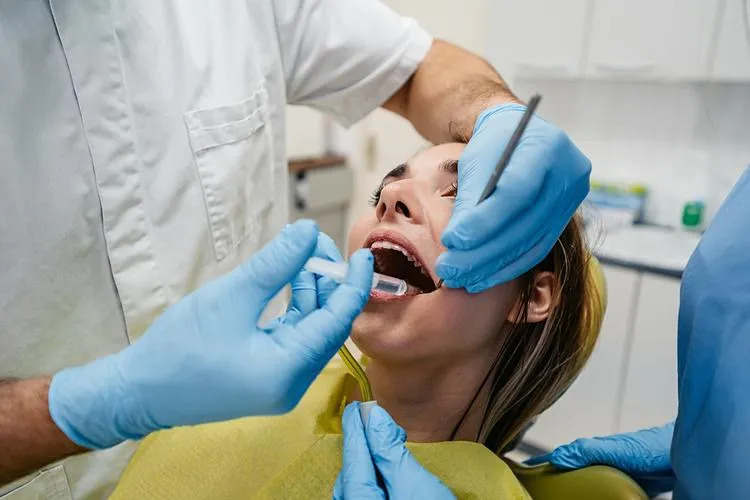
A typical visit for pediatric dental care in Thailand is calm and structured. The dentist uses a tell-show-do method to reduce anxiety, showing kids the mirror and tools in a friendly way before starting. For a first check-up, they’ll look at how the teeth are growing, clean away plaque, and apply fluoride varnish to strengthen enamel. If your child has deep grooves on their molars, the dentist may recommend sealants—thin protective layers that help prevent cavities. When treatment is needed, expect tooth-colored fillings, baby tooth crowns (stainless steel or aesthetic options depending on the tooth), and space maintainers to keep room for adult teeth if a baby tooth comes out early. For nerve-related issues, a pulpotomy can save a baby molar. Children’s dentists here also manage dental trauma—common with scooters, bikes, or sports—so if a tooth chips or gets knocked out, there’s emergency care on standby.
Many parents ask, when should my child first see a dentist? The simple guideline is first tooth, first birthday. Early visits help spot feeding habits that might lead to early childhood caries (bottle tooth decay) and make dental check-ups feel normal. After that, six-monthly check-ups work well for most families. If you see white chalky spots near the gum line, complain of pain during chewing, or notice a black line on a baby tooth, don’t wait—book earlier. Thai clinics are used to short-notice appointments, and many accept bookings via Line, phone, or Facebook Messenger for convenience.
Prevention is a big focus in Thailand’s pediatric dentistry. With sweet treats like Thai milk tea, roti with condensed milk, dried mango, and bubble tea being popular, dentists will guide you on practical daily routines. For toddlers, use a smear of fluoride toothpaste; for kids 3–6, a pea-sized amount with fluoride strength around 1,000–1,450 ppm is typically recommended. Encourage water rinses after school snacks and aim for brushing twice daily. Flossing becomes important as soon as teeth touch. If your child plays football, basketball, or Muay Thai, ask about a custom mouthguard to protect those teeth. And for thumb sucking or prolonged pacifier use, pediatric dentists can coach gentle habit-breaking strategies or provide simple appliances if needed.
Choosing
the right children’s dentist in Thailand is easier when you know what to look for:
- Location that’s simple to access—near BTS/MRT in Bangkok or with convenient parking upcountry.
- Clinic vibe that feels friendly to your child, with patient staff and a calm atmosphere.
- Credentials such as pediatric specialty training and membership in recognized dental associations.
- Clear communication in Thai and English, including treatment options and alternatives.
- Child-friendly pain control, from topical gel to local anesthesia and nitrous oxide where appropriate.
- Transparent fees and an easy-to-understand treatment plan, so you know costs before starting.
For expat families, it helps to check whether the clinic supports direct billing with major international insurers or offers receipts suitable for claims. Most private pediatric clinics accept cash, card, and QR PromptPay. If you’re using corporate health benefits, confirm coverage for preventive services like sealants and fluoride. Public hospitals and dental schools can provide pediatric services too, often at lower fees, but waiting times may be longer. Private clinics typically offer more flexible hours, including evenings or Saturdays, which can be handy during school term or exam periods.
Worried about kids who are anxious or have special healthcare needs? Thailand’s experienced children’s dentists handle this with patience and planning. Many clinics schedule longer appointments for first-timers, use gentle desensitization, and provide sedation options if clinically indicated. Nitrous oxide is commonly available and safe when monitored by trained staff. For more complex cases, treatment can be coordinated in a hospital setting with pediatric anesthesiologists. Always ask about protocols, monitoring equipment, and consent procedures, so you feel confident every step of the way.
Another question parents often ask is about X‑rays. Pediatric dentists in Thailand follow international guidelines, taking radiographs only when needed to check for hidden decay, infection, or how adult teeth are developing. Digital systems keep exposure low, and protective aprons are used. If your child grinds their teeth or snores, mention it; dentists can check wear patterns and advise on referrals for airway or ENT assessment when appropriate.
A few Thailand-specific tips can make home care easier. Have your child drink water after sweet drinks—ice milk tea, fruit smoothies, or sports drinks—to wash away sugars. Keep a travel toothbrush in their school bag for after-lunch brushing if school allows. During school holidays or festival seasons like Songkran and Loy Krathong, sweets can spike, so it’s a great time to schedule a quick check and fluoride top-up. If your family uses well water outside the city, ask your dentist about fluoride levels and whether a toothpaste upgrade or extra fluoride applications are recommended.
With the right support, kids can genuinely enjoy looking after their smiles. Thailand’s pediatric dentistry community blends clinical skill with a caring, kid-first approach, making visits smooth for parents and little ones alike. If it’s been more than six months since your child’s last check-up, or if you’re new in town and settling into a routine, book a visit with an experienced children’s dentist near you. A short appointment today can prevent big problems tomorrow—and keep those smiles bright for school photos, sports days, and all the adventures Thailand has to offer.