Thailand Pediatric Dentistry for Stress Free Kids Dental Experiences
Thailand Pediatric Dentistry for Stress Free Kids Dental Experiences
If you’re raising little ones in the Land of Smiles, you’ll be happy to know Thailand pediatric dentistry is designed to be just as sabai-sabai as a weekend by the beach. From Bangkok to Chiang Mai and Phuket, many clinics focus on making children feel safe, heard, and genuinely comfortable, so a trip to the dentist becomes a stress-free, even sanuk, experience.
What makes pediatric dentistry in Thailand stand out
- Child-friendly spaces: Many clinics are bright, playful, and thoughtfully set up with kids in mind—think reading corners, cartoon murals, and small toys to ease nerves. You’ll often find a calm, softly spoken style that reflects Thai culture.
- Specialised training: Look for a pediatric dentist in Thailand who is board-certified in pediatric dentistry. These specialists understand child psychology, behaviour guidance, and the latest techniques for treating baby teeth and growing smiles.
- Bilingual teams: Plenty of clinics have Thai and English-speaking staff, sometimes Chinese or Japanese too. Expect gentle communication, with staff addressing your child as “Nong” and parents as “Khun,” complete with a warm wai greeting.
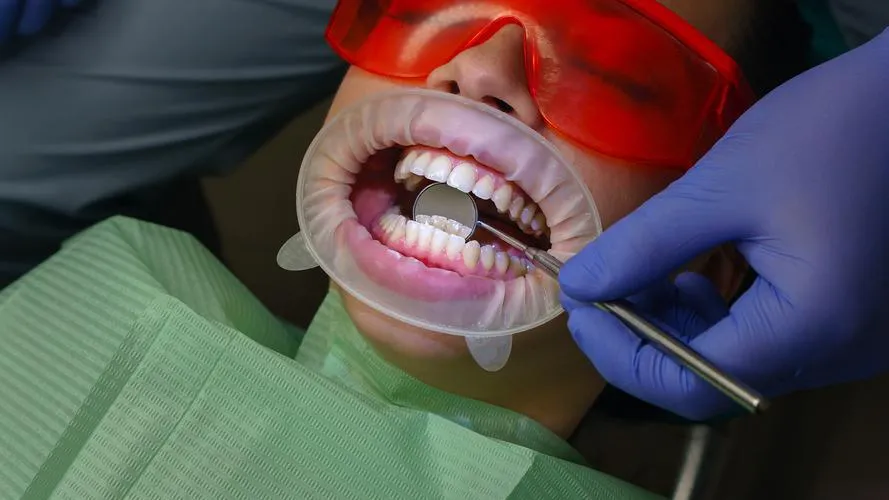
- Modern technology and safety: Digital X-rays, rubber dams, and strict sterilisation protocols are standard in reputable clinics. Many follow global best practices along with Thai Dental Council guidance.
- Convenient access: In Bangkok, plenty of kids’ clinics sit near BTS/MRT stations or inside malls with parking. Appointments are easy to book via phone, Facebook page, or LINE. Weekend and after-school slots are common.
How Thai pediatric dentists reduce anxiety
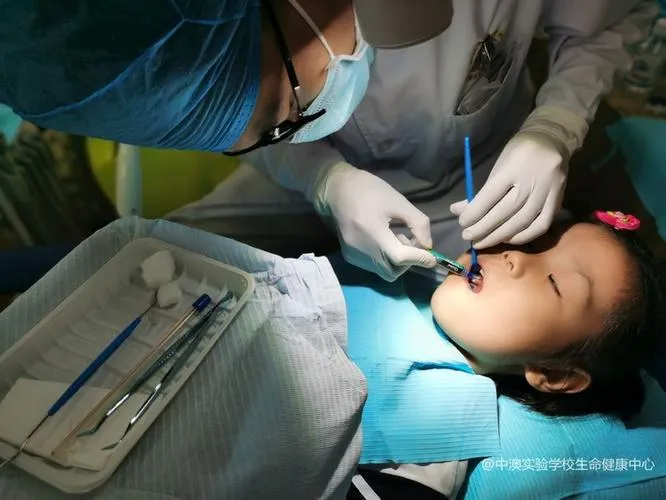
- Tell–Show–Do: Dentists often explain what will happen in simple words, show the instruments (calling the suction a “sleepy straw” or “water vacuum”), then proceed gently. This helps children feel in control.
- Positive reinforcement: Expect sticker charts, small toys, and lots of praise for being brave. The goal is to build confidence, not fear.
- Gradual desensitisation: For anxious kids, the first visit may focus on a friendly check-up and “counting teeth,” with treatment scheduled later. No rush—just a sabai approach.
- Comfort aids and flavours: Topical gels come in child-friendly flavours, and clinics might let kids choose a cartoon show or music during treatment.
- Sedation options when needed: For complex treatments or very young children, some clinics offer nitrous oxide (laughing gas) or conscious sedation under strict protocols. Silver diamine fluoride (SDF) is also used as a non-invasive option to stop early decay without drilling.
- Parent collaboration: Thai pediatric dentists often invite parents to be part of the process, aligning on words to avoid (like “pain” or “needle”) and preferred comfort strategies.
Your child’s first dental visit in Thailand
- Timing: Aim for “first tooth, first visit,” or by age one. Early visits build familiarity, catch potential issues early, and make future appointments easier.
- What to expect: Registration is usually quick; you’ll get a queue number and a comfy waiting area. The dentist will check oral development, clean if appropriate, apply fluoride varnish, and discuss diet and habits (bottle use, pacifier, thumb sucking).
- Gentle language: Expect phrases like “we’ll tickle your teeth,” “we’ll brush away sugar bugs,” and “we’ll paint vitamins on your teeth.” It keeps things friendly and clear.
- Payment and admin: Most clinics accept cash, cards, and QR PromptPay, and can issue tax e-receipts. Insurance acceptance v
aries; check in advance and bring your policy details.
At-home prep for a stress-free appointment
- Book a morning slot when kids are fresh and less hungry.
- Keep snacks light before the visit, especially if sedation is planned.
- Practice “open wide” at home with a mirror and make it a fun game.
- Read a children’s book about visiting the dentist or watch a short video together.
- Avoid scary words; instead say, “The dentist will count your teeth and make them strong.”
- Bring a favourite soft toy or blanket. Familiar comforts go a long way.
Common preventive treatments in Thai kids’ clinics
- Fluoride varnish: Brushed onto teeth every 3–6 months to strengthen enamel.
- Fissure sealants: A protective coating on molars to prevent decay in deep grooves.
- SDF (silver diamine fluoride): Paint-on treatment to stop early cavities without drilling.
- Space maintainers: If a baby tooth is lost early, a small device holds space for the permanent tooth.
- Habit guidance: Support for thumb sucking, mouth breathing, and night-time feeding routines.
Choosing a pediatric dentist in Thailand
- Credentials: Ask if the dentist holds a pediatric specialty and Thai board certification.
- Reviews and word-of-mouth: Check both English and Thai reviews to understand real experiences.
- Accessibility: Near BTS/MRT or your moo baan? Parking available? Look for convenient location and flexible hours.
- Communication style: Make sure the team explains things clearly and makes your child feel respected and safe.
- Emergency protocol: Ask how they handle dental trauma and after-hours queries.
- Comfort policy: Confirm whether parents can accompany their child and what comfort aids are available.
Indicative fee ranges (vary by city and clinic)
- Check-up and consultation: around 500–1,500 THB
- Cleaning and fluoride varnish: around 800–2,000 THB
- Sealants: around 800–1,500 THB per tooth
- SDF application: around 500–1,000 THB per visit
- White fillings for baby teeth: around 1,200–2,500 THB per tooth
- Pediatric crowns (e.g., stainless steel or zirconia): around 3,500–8,000 THB
- Nitrous oxide sedation (if offered): session fees vary; ask the clinic for exact rates
These are ballpark figures to help with planning; always request a treatment plan and quotation before proceeding.
Aftercare tips Thai dentists often share
- After fluoride varnish: Skip crunchy foods for a few hours and wait till evening to brush.
- After local anaesthesia: Watch for cheek or lip biting until the numbness fades.
- Routine at home: Twice-daily brushing with age-appropriate fluoride toothpaste, and water as the main drink between meals. Keep sweets and sticky snacks as an occasional treat.
- Follow-up: Keep regular recalls every 3–6 months for preventive care.
Local touches you might notice
- Friendly greetings with a wai and polite particles like “ka/krub.”
- Staff may call your child “Nong” as a sign of warmth.
- Easy booking via LINE and quick updates on Facebook pages.
- Play areas and small rewards after a successful visit—turning dental care into a positive memory.
The bottom line
With skilled pediatric dentists, thoughtful behaviour guidance, and a calm, culturally gentle atmosphere, Thailand pediatric dentistry makes stress-free kids’ dental experiences absolutely achievable. Start early, keep things positive, and choose a clinic that blends high clinical standards with the kindness Thailand is known for. That way, your child can grow up with healthy teeth—and plenty of confident, sabai smiles.