Thailand Pediatric Dentistry Care With Modern Preventive Dentistry
Thailand Pediatric Dentistry Care With Modern Preventive Dentistry
If you’re raising kids in Thailand, you already know how easy it is to find snacks at every corner—kanom after school, bubble tea on the weekend, and the occasional late-night milk before bed. That’s why modern preventive dentistry is a big help for Thai families. Instead of waiting for toothaches, today’s pediatric care focuses on keeping little teeth healthy from the start, using gentle methods that fit busy Bangkok, Chiang Mai, Phuket, and upcountry lifestyles.
What preventive dentistry means for Thai families
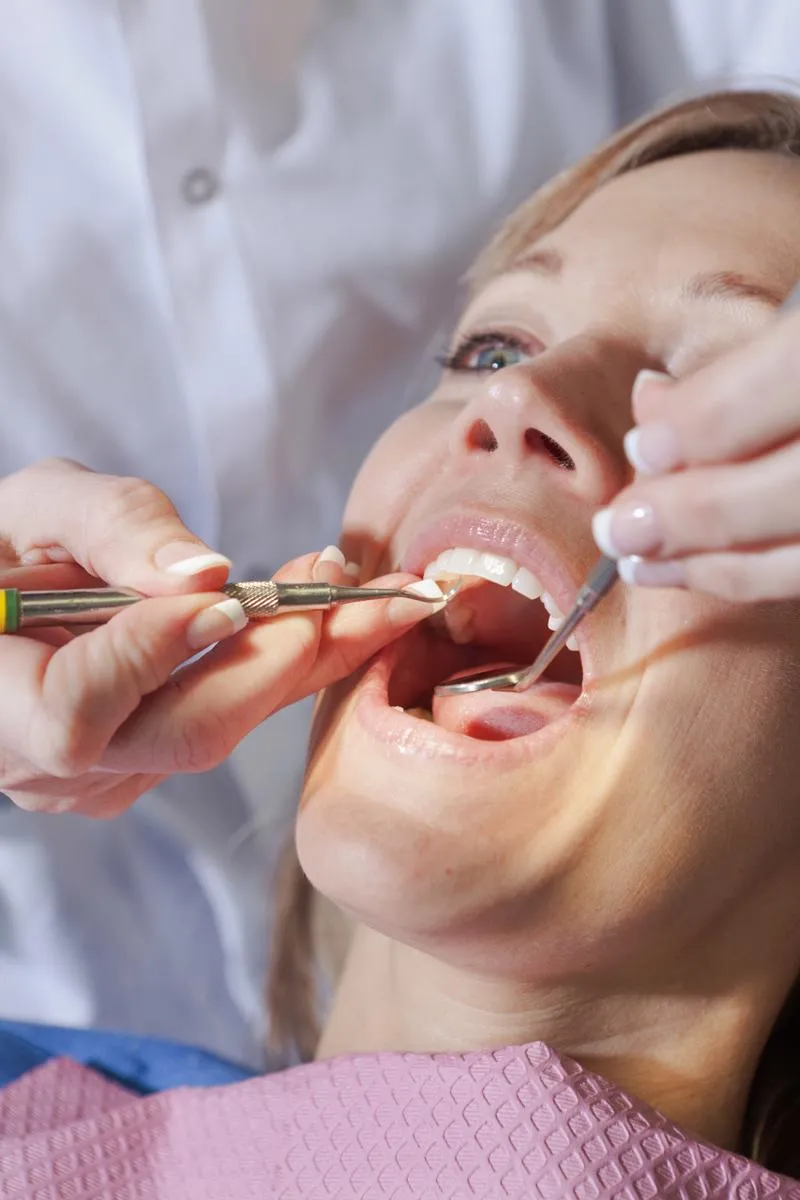
Preventive dentistry is all about stopping problems before they start. For children, that means routine check-ups, professional cleanings, fluoride protection, and sealants, all guided by a personalised caries risk assessment. Many clinics in Thailand now use a child‑friendly approach (think tell–show–do, cartoons on the ceiling, and rewards that aren’t sweets) to help kids feel sanuk about the dentist.
When to start and how often to go
- First visit: When the first tooth appears or by the first birthday. This early visit teaches mum and dad how to clean tiny teeth and manage feeding habits.
- Regular check-ups: Every six months for most kids. If your child has a higher risk of cavities—common with frequent sweet drinks or night-time feeding—your dentist may suggest visits every three to four months.
- School years: From age 6, when first permanent molars erupt, check-ups are extra important to protect new enamel.
Modern tools and gentle techniques you’ll find in Thailand
- Fluoride varnish: Because many families in Thailand prefer bottled water (often low in fluoride), clinics commonly apply fluoride varnish two to four times a year to strengthen enamel.
- Dental sealants: A thin protective coating on the chewing surfaces of molars, usually placed around ages 6–7 and again at 11–12 for second molars. It’s quick, painless, and a proven cavity blocker.
- Silver diamine fluoride (SDF): A non-invasive liquid that can stop early decay in baby teeth, useful for wiggly children or when we need to delay drilling. It may darken the cavity area, so your dentist will discuss cosmetic considerations.
- Hall crowns and ART: Minimally invasive methods that cap or fill baby teeth without injections in many cases. Good options for young patients and community settings.
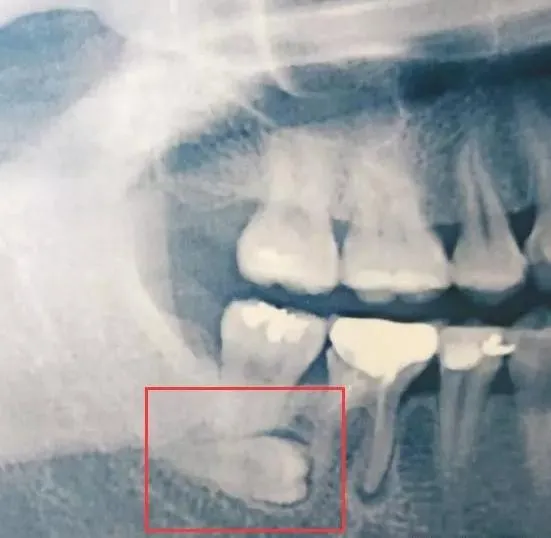
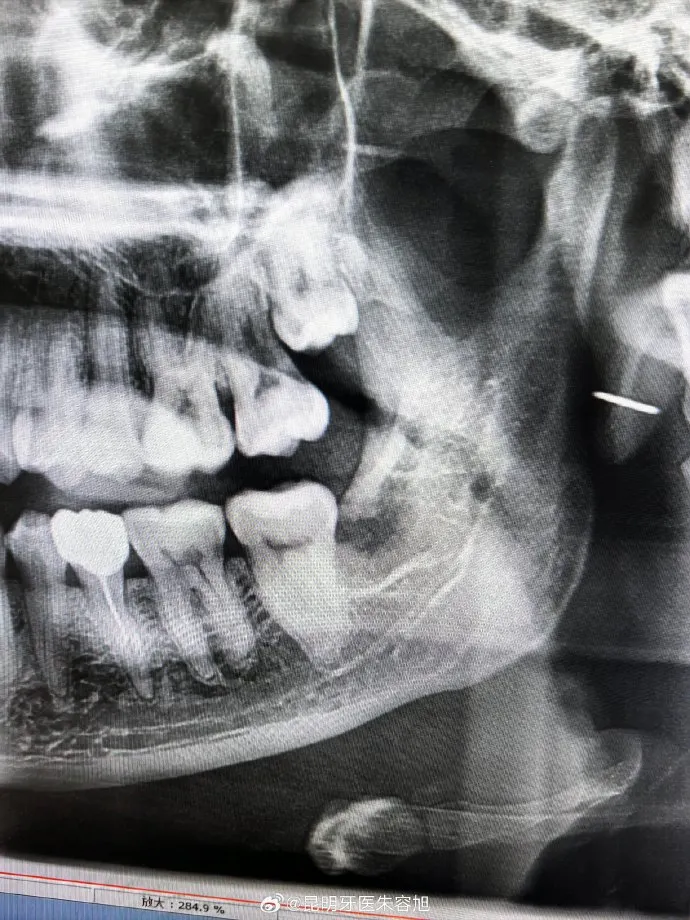
- Digital X-rays and intraoral scanners: Low-dose imaging and 3D scanning help spot problems early and track growth with less fuss.
- Behaviour guidance and nitrous oxide: Paediatric dentists often use gentle behaviour techniques and, when needed, laughing gas for anxious kids. Many clinics have English-speaking staff and child-friendly rooms, which helps a lot.
Daily home care that fits Thai routines
- Brushing: Twice a day, last thing at night is non-negotiable. Use a smear of fluoride toothpaste (around 1,000 ppm) for children under 3; a pea-sized amount (1,350–1,450 ppm) from age 3. Encourage kids to spit, not rinse.
- Flossing: Start as soon as two teeth touch. Flossers can make it easier for small hands.
- Feeding and bottles: Avoid letting a child fall asleep with milk, sweetened milk, or juice. Night-time feeding—especially with sweetened condensed milk in the bottle—puts teeth at high risk. If your little one needs comfort, offer water.
- Smart snacks: Keep sticky sweets like dried mango, tamarind candy, jelly cups, and roasted sweetened nuts as occasional treats and serve them with meals. Between meals, fresh fruit, cheese, yoghurt (without added sugar), and nu
ts (age-appropriate) are better options.
- Drinks: Reserve bubble tea, cha yen (Thai iced tea), and soft drinks for special occasions. If you do have a sweet drink, use a straw and rinse with water after.
- After-school tips: Rinse with water after school snacks, and do the main brush after dinner before bed.
Thailand-specific tips for cavity prevention
- Be mindful of school and market snacks. Many schools sell sugary drinks and fried snacks during breaks. Pack water and a tooth-friendly snack to reduce sugar hits.
- Grandparents’ love is sweet—literally. If extended family members help with childcare, agree on non-food rewards such as stickers, books, or extra playtime.
- Many kindergartens and primary schools partner with dental teams for check-ups, fluoride rinses, and sealants. Join these programmes when offered; they’re convenient and cost-effective.
Protecting teeth during sports and play
- Mouthguards: If your child plays football, basketball, skateboards, or practises Muay Thai, ask about a custom mouthguard. It’s more comfortable than a boil-and-bite and protects growing teeth.
- Dental trauma know-how: If a permanent tooth is knocked out, handle it by the crown, rinse gently with clean water, and place it back in the socket if possible. Otherwise, store it in milk and head to a dentist immediately. Time matters.
Spotting common issues early
- White spots near the gumline or on molars can be the first sign of enamel weakening. These are reversible if caught early with fluoride and improved brushing.
- Molar incisor hypomineralisation (MIH) is not uncommon. If your child’s first molars look chalky or sensitive, see a paediatric dentist for targeted protection like sealants, varnish, or partial coverage.
- Crowding or bite issues can be screened around age 6–8. Space maintainers or simple interceptive treatments can save future time and cost.
Choosing a pediatric dentist in Thailand
- Look for paediatric dental specialists (often listed as “Pedodontist” or “Kids Dentist”) with child-friendly facilities.
- Ask about preventive services: risk assessment, professional fluoride, sealants, minimally invasive options, and clear home-care coaching.
- Check communication: English-speaking staff are widely available in Bangkok and major cities, and many clinics offer LINE or WhatsApp for reminders and quick advice.
- Convenience matters: Clinics near BTS/MRT, in community malls, or close to school make it easier to keep appointments. Weekend slots are common in private clinics.
- For families using government schemes, check paediatric services at dental hospitals and public health centres; private hospitals and clinics also offer packages for children.
A simple, Thailand-ready preventive plan
- Book the first dental visit by age one.
- Brush twice daily with the right fluoride toothpaste; floss daily where teeth touch.
- Schedule fluoride varnish and sealants on time.
- Limit frequent sweet drinks and sticky snacks; reserve them for mealtimes.
- Use a mouthguard for contact sports.
- Keep regular six‑monthly check-ups, adjusting frequency if your dentist advises.
With modern preventive dentistry, caring for children’s teeth in Thailand doesn’t have to be difficult or stressful. A few smart habits at home, teamed with a friendly paediatric dentist who uses up-to-date, gentle techniques, can keep your child’s smile bright through nursery, school, and beyond. Start early, keep it consistent, and let prevention do the heavy lifting.