Thailand Pediatric Dentistry Care for Childrens Healthy Oral Habits
Thailand Pediatric Dentistry Care for Childrens Healthy Oral Habits
Raising kids in Thailand comes with plenty of smiles, and we want those smiles to stay bright and healthy. Good pediatric dentistry is not just about fixing cavities; it’s about building daily habits that fit Thai family life, from school snack times to weekend outings and Songkran sugar splashes. Here’s a friendly, practical guide to help mums, dads, and caregivers in Thailand nurture strong oral health for their little ones.
Why early care matters in Thailand
Warm weather, easy access to sweet drinks, and snack culture can make Thai kids more prone to tooth decay. Many children sip Thai iced tea, flavored milk, or bubble tea, and enjoy soft breads, sticky rice desserts, and jelly snacks from the convenience store. Without a strong routine, sugar sits on teeth and feeds bacteria. Early dental visits and simple daily habits prevent problems before they start and make going to the dentist feel normal, not scary.
When to start and how often to go
- First visit: By your child’s first birthday, or within six months of the first tooth.
- Routine check-ups: Every six months. If your dentist suggests more frequent visits due to higher risk, follow that plan.
- Milestones: Around ages 6–7 and 11–12, new molars erupt; these are critical times for check-ups, fluoride varnish, and sealants.
Daily habits that stick
- Brushing: Two times a day, morning and night, for two minutes. Use a soft, child-size brush and fluoride toothpaste (1,000 ppm or more). Amount matters: a rice-grain smear for under 3s; a pea-sized blob for 3–6; pea-size or a bit more for older kids who can spit properly.
- Flossing: Start as soon as two teeth touch. A small flosser can make it easier for little hands.
- Night routine: Brush right before bed. After brushing, only water—no milk or juice. Avoid letting your child sleep with a milk bottle to prevent baby bottle decay.
- Make it fun (sanuk): Play a two‑minute song, brush together, or use a reward chart for consistent weeks rather than daily treats.
Smart eating and drinking in the Thai context
- Choose water often: Carry a water bottle to school and activities. Many families drink bottled water; that’s fine—consistent brushing with fluoride toothpaste helps compensate for lower fluoride in drinking water.
- Limit frequency of sweets: It’s not just how much sugar, but how often. Keep sweets to mealtimes instead of frequent grazing.
- Rethink drinks: Keep Thai tea, bubble tea, flavored milk, and soft drinks as occasional treats. Offer plain milk at meals and water the rest of the time.
- School snacks: Swap sticky, sugary snacks (gummy candy, jelly cups, chewy dried fruit) for fresh fruit, yogurt without added sugar, nuts, corn, or boiled eggs.
- After-sweets habit: If your child enjoys a treat, follow with water and brush in the evening.
What Thai pediatric dental clinics do
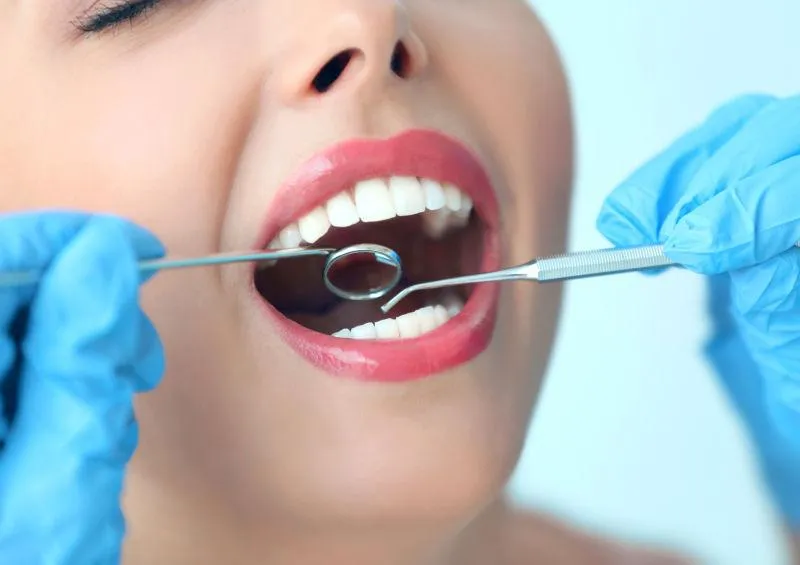
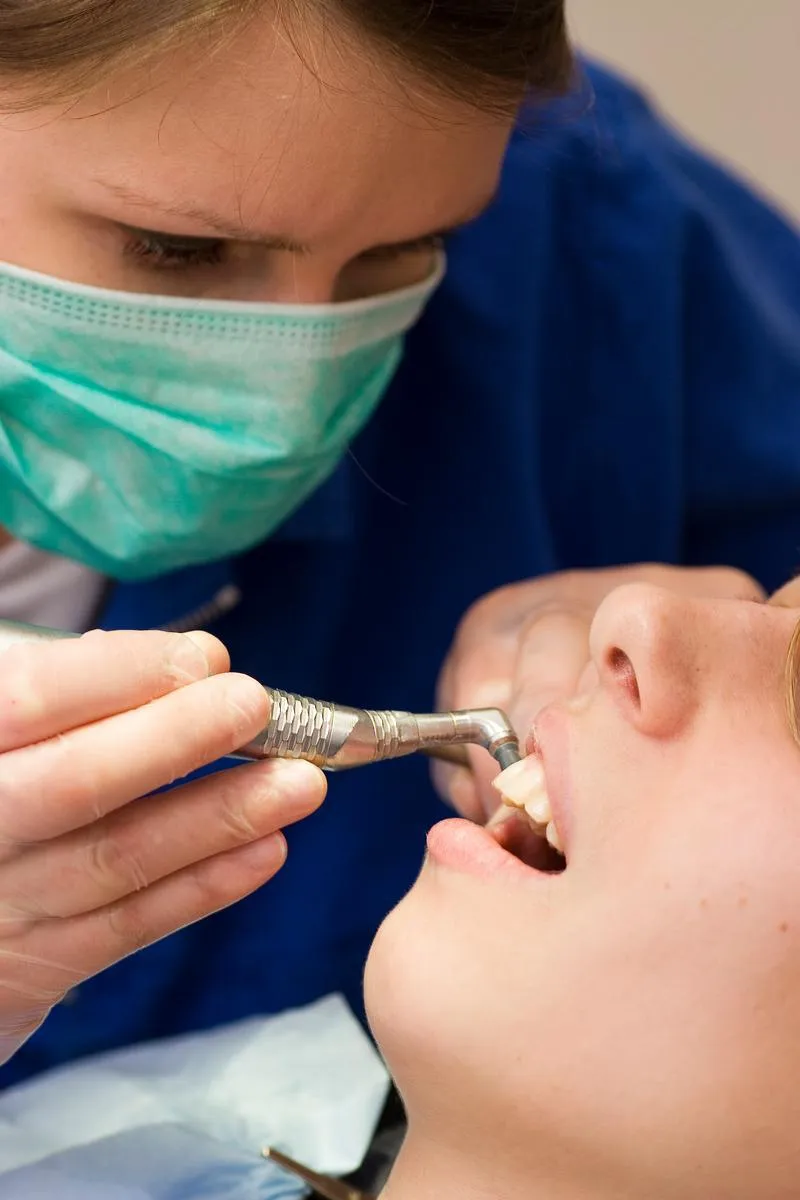
- Gentle exams and cleanings: Kid-friendly spaces with cartoons and small instruments help children relax.
- Fluoride varnish: A quick, safe coating that strengthens enamel and reduces cavities—
common in Thai clinics and recommended two to four times per year based on risk.
- Sealants: Protective layers on the chewing surfaces of molars, especially helpful when new molars erupt in primary school years.
- Minimally invasive treatments: For early decay, dentists may use silver diamine fluoride (SDF) or small fillings to stop damage without stress.
- Growth checks: Monitoring bite and jaw development, with orthodontic screening around ages 7–9.
Easing dental anxiety the Thai way
- Choose a pediatric dentist: Specialists are trained in child behavior, Tell‑Show‑Do, and gentle communication.
- Bring comfort: A favorite toy, a small towel, or a playlist in Thai or English can calm nerves.
- Positive talk: Avoid words like “injection” or “pain.” Try “the dentist will count your teeth” or “we’ll paint vitamins on your teeth.”
- Short, honest visits: Start with a simple check-up so the first experience is calm and confident.
Teething and common home care
- Teething discomfort: Use a cold teether or chilled (not frozen) wet cloth. Teething does not cause high fever; if your child is very unwell, see a pediatrician.
- Mouth injuries: Active kids fall. If a tooth is chipped or a lip is cut, rinse gently with clean water and see a dentist soon.
When it’s an emergency
- Knocked-out permanent tooth: Pick it up by the crown (not the root), gently rinse if dirty, and place it back in the socket if possible. If not, keep it in cold milk or your child’s saliva and head to a dentist immediately—ideally within 30–60 minutes.
- Knocked-out baby tooth: Do not replant. See a dentist to check the area and protect developing adult teeth.
- Toothache with swelling or fever: Contact your clinic the same day.
Choosing a pediatric dentist in Thailand
- Location and convenience: Look for clinics near BTS/MRT or close to school/home. Weekend and after‑school hours can be very helpful for families.
- Credentials and experience: Check the dentist’s profile for pediatric specialty training and years of experience.
- Child-friendly environment: Bright, clean rooms, small equipment, and patient staff make a big difference.
- Clear communication: You should get a simple treatment plan, cost estimate, and home‑care advice you can follow.
- Payment and benefits: Many families use private clinics or hospitals; some insurance plans provide partial reimbursement for check-ups, fluoride, and fillings. Ask your clinic about direct billing or claim documentation.
A simple Thai family routine to copy
- Morning: Brush with fluoride toothpaste after breakfast. Pack a water bottle.
- After school: Offer water first; keep sweet drinks for special days.
- Night: Brush and floss before bed. No snacks after brushing.
Raising cavity‑free kids in Thailand is absolutely possible. With early visits, everyday fluoride, smarter snacking, and a kind, child‑focused dentist, your child can build strong habits that last from milk teeth to adult teeth. Start small, stay consistent, and keep it sanuk—those healthy smiles will follow.