Thailand Pediatric Dentistry Care With Safe Clinical Procedures
Thailand Pediatric Dentistry Care With Safe Clinical Procedures
When families in Thailand look for a children’s dentist, two things matter most: gentle care and trusted safety. From Bangkok and Chiang Mai to Phuket and Khon Kaen, pediatric dentistry in Thailand blends a service-minded approach with international standards, making visits sabai-sabai for kids and reassuring for parents. Here’s how Thailand pediatric dentistry care delivers healthy smiles with safe clinical procedures at every step.
Why choose a pediatric dentist in Thailand
- Specialized training: Pediatric dentists here complete extra years focusing on infants, children, and teens, including kids with special needs. They’re skilled in behavior guidance and age-appropriate treatments.
- Service mind and child-friendly vibe: Thai clinics put “sanuk” (fun) into the visit—bright play corners, cartoons on the ceiling, and small rewards after treatment. The goal is less stress, more smiles.
- Clear communication: Many teams communicate comfortably in English and Thai, explaining each step to parents and children in simple, friendly terms.
- Gentle, no-worry techniques: From tell-show-do to distraction games and mild sedation when needed, the approach is to keep your child relaxed and confident.
Safe clinical procedures you can expect
- Strict infection control: Clinics follow hospital-grade sterilization. Instruments go through ultrasonic cleaning and autoclaving; surfaces are disinfected between patients; gloves, masks, and protective eyewear are standard; and single-use items (needles, suction tips) are disposed of properly. Hand hygiene is non-negotiable.
- Low-dose digital X‑rays: When radiographs are necessary, digital sensors reduce radiation exposure significantly. Lead aprons and thyroid collars protect your child, and images are taken only if they’ll change the treatment plan.
- Comfortable anesthesia and pain control: Topical gel numbs the area before a tiny local anesthetic injection. Many clinics buffer and warm anesthetic for comfort. For anxious little ones, nitrous oxide (laughing gas) is available in many settings, and general anesthesia is reserved for complex cases in a hospital environment with an anesthesiologist.
- Minimally invasive options: Thai pediatric dentists are up-to-date with techniques like silver diamine fluoride (to stop early decay painlessly), the atraumatic restorative treatment (ART) using hand instruments and glass ionomer, and sealants to block decay on grooves. Stainless steel crowns and the Hall Technique may be used for strong, long-lasting protection of baby molars.
- Fluoride varnish and preventive care: Fluoride varnish is applied quickly, tastes mild, and strengthens enamel. Combined with professional cleaning and personalized brushing tips, prevention is the main focus.
- Emergency and trauma protocols: If a tooth chips or gets knocked, clinics follow established guidelines—gentle repositioning, splinting when needed, and follow-ups to protect the developing tooth. For deep decay in baby teeth, pulpotomy or pulpectomy saves the tooth and maintains space for adult teeth. Space maintainers help keep alignment when a tooth is lost early.
What a typical visit looks like
- Booking and prep: Choose a time when your child is not hungry or sleepy. Let the clinic know about medical history, allergies, and any previous dental experiences.
Many clinics offer pre-visit phone guidance.
- Welcome and settling in: Reception staff greet with a big smile. There’s usually a small play area, storybooks, and friendly dental assistants to help your child feel at home. No rush, mai pen rai style—calm and steady.
- Tell-show-do: The dentist shows the mirror and “tooth counter,” explains sounds and sensations, and then gently starts the exam. Children are praised for cooperation and get a sticker or small gift at the end.
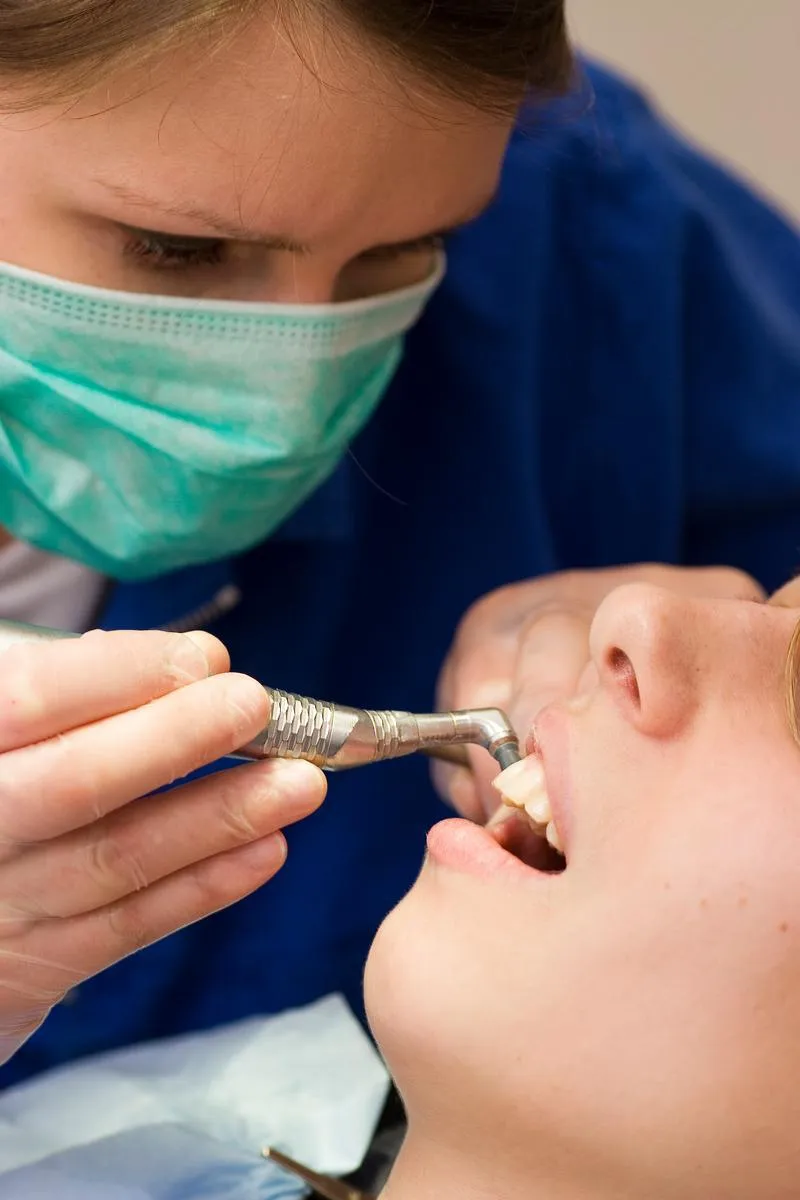
- Cleaning and polish: Plaque and tartar are removed with child-sized instruments, followed by a gentle polish. If indicated, fluoride varnish is applied in a minute, with eating and drinking instructions afterward.
- Personalized advice: You’ll get practical tips on brushing technique, flossing for tight contacts, and a diet chat tailored to Thai habits—sticky rice, mango desserts, milk tea, and crispy snacks. The dentist will suggest limits on frequent sweet snacking, encourage water between meals, and recommend fluoride toothpaste appropriate for your child’s age.
Choosing the right clinic in Thailand
- Check credentials: Look for a board-certified pediatric dentist and verify the clinic’s license with the Ministry of Public Health. Many clinics display certificates proudly at reception.
- Ask about safety: Don’t be shy to ask how instruments are sterilized, whether they use digital X-rays, and what sedation options are available.
- See the environment: A child-friendly setting, warm staff, and clear consent forms are all good signs. For families in Bangkok, easy access near BTS/MRT or reliable parking also helps with stress-free visits.
- Consider convenience: Appointments outside school hours, emergency availability, and reminders by LINE or SMS are a plus.
- Read reviews and ask around: Parent groups and community forums in Thailand are great for honest feedback.
Costs and practical notes
Private clinics and hospitals offer transparent price lists or packages for “check-up + cleaning + fluoride.” Fees vary by city and clinic. Many expat insurance plans reimburse pediatric dental care; local schemes may have limits, so it’s best to confirm before treatment. Always request a treatment plan and estimated costs—Thai clinics are generally happy to explain in detail and offer phased care if needed.
At-home care that works in Thailand
- Brush twice daily with fluoride toothpaste (a rice-grain smear for under 3, a pea-sized amount from 3–6, then pea-sized after).
- Help with brushing until at least age 7–8; most kids need guidance longer.
- Keep sweet drinks and snacks to mealtimes; offer water (not juice) between meals.
- Consider xylitol wipes or sugar-free gum for older kids after school snacks.
- Schedule a dental check every 6 months, or as advised for higher-risk kids.
A friendly, safe path to lifelong smiles
Thailand’s pediatric dentistry scene is built around kindness, clarity, and consistent safety. With well-trained doctors, strict infection control, and gentle, child-centered techniques, parents can feel confident that each visit is both effective and comfortable. Whether your family is local or newly arrived, Thailand pediatric dentistry care with safe clinical procedures makes healthy teeth—and positive attitudes toward the dentist—something every child can grow up with, happily and fear-free.