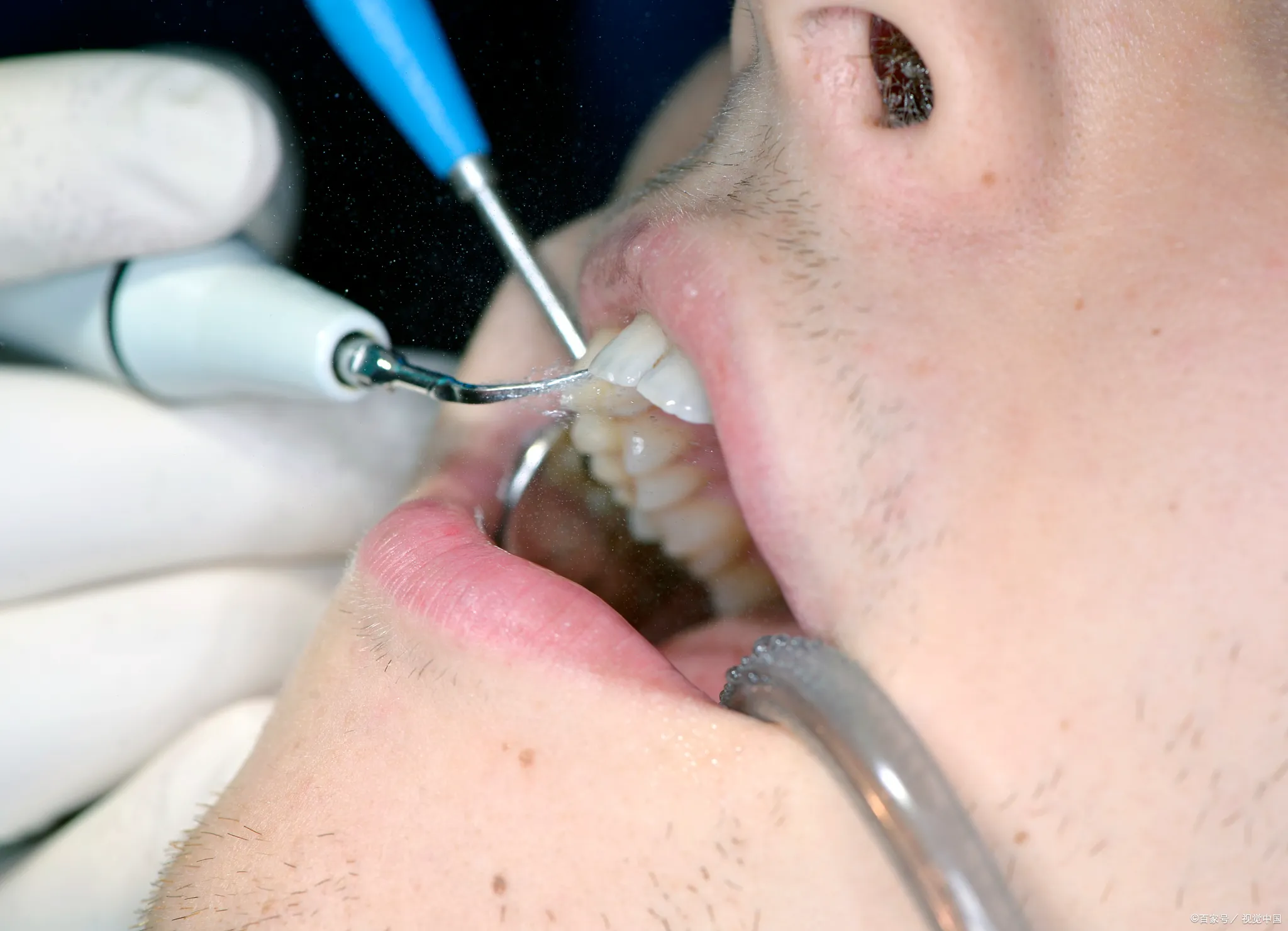
Thailand Pediatric Dentistry Services With Modern Pediatric Dentistry Techniques
Thailand Pediatric Dentistry Services With Modern Pediatric Dentistry Techniques
Looking after your child’s smile in Thailand is easier than ever. Across Bangkok, Chiang Mai, Phuket, Pattaya and other major cities, pediatric dentistry services combine an easygoing, family-friendly vibe with modern techniques that keep treatment gentle, fast and effective. Whether you’re a Thai parent or an expat family, you’ll find clinics with international-standard care, bilingual teams, and a service mind that makes visits less stressful for both kids and adults.
Why pediatric dentistry matters in Thailand
Many Thai children enjoy sweet drinks, bubble tea, and snacks after school, so early childhood caries can be a common issue. Regular check-ups help prevent tooth decay, support proper speech and chewing, and guide jaw growth. Pediatric dentists are trained to manage tiny teeth and big feelings, using age-appropriate explanations and behavior techniques that turn fear into curiosity. The goal is simple: protect baby teeth, maintain healthy habits, and set up a lifetime of confident smiles.
What to expect at a child-friendly clinic
Step into a pediatric dental clinic in Thailand and you’ll usually see a cozy play corner, friendly staff ready with a wai and a smile, and cartoons on the ceiling above the dental chair. Many clinics welcome a parent to stay in the room, especially for younger kids. Appointments are often available on weekends and after school, and you can book via phone, Line, or WhatsApp. Payment is straightforward too: cash, credit card, and PromptPay QR are widely accepted, with some clinics offering direct billing to certain insurers.
Modern techniques that make a real difference
Today’s pediatric dentistry is about minimally invasive care and prevention first. Here are some of the techniques and tools you’ll see in Thailand’s better clinics:
- Tell-Show-Do and behavior guidance: Dentists explain and demonstrate instruments in a kid-friendly way—“sleepy gel” instead of “injection,” “sugar bugs” instead of “bacteria”—then proceed step by step. Positive reinforcement and small rewards help build trust.
- Nitrous oxide (laughing gas): Safe, mild inhalation sedation that relaxes children during cleaning or fillings while keeping them awake and responsive. It wears off quickly, so you can head home soon after.
- Oral sedation and general anesthesia: For very young or very anxious children, some clinics work with anesthesiology teams in hospital settings to complete comprehensive care in one go. Strict monitoring and Thai Dental Council guidelines keep safety front and center.
- Digital X-rays and intraoral cameras: Low-radiation imaging and close-up photos help spot cavities early and explain findings to parents clearly. ALARA (as low as reasonably achievable) principles guide exposure.
- Fluoride varnish and sealants: Fluoride varnish strengthens enamel, while sealants protect the grooves of molars where decay often starts. These preventive steps are quick, painless, and budget-friendly.
- Silver diamine fluoride (SDF): A proven way to arrest early decay without drilling, especially useful for baby teeth. It can darken the decayed area, so your dentist will discuss cosmetic considerations before proceeding.
- Atraumatic restorative treatment (ART) and glass ionomer fillings: For shallow cavities, hand instruments and fluoride-releasing materials can repair teeth gently, ideal for wiggly first-time patients.
- Stainless steel crowns and the Hall Technique: For deeper decay in baby molars, preformed crowns protect the tooth long term. The Hall Technique places a crown without drilling or injections in suitable cases, making it more comfortable.
- Pulp therapy with modern materials: When decay reaches the nerve, pulpotomy and pediatric root canal procedures using biocompatible materials like MTA can save the tooth unt
il it’s time to fall out naturally.
- Laser dentistry: Some clinics use lasers for soft tissue procedures like tongue-tie release, reducing bleeding and healing time, or for disinfection during cavity treatment.
- Resin infiltration (ICON) for white spots: If your child has early enamel lesions or white spot marks after braces, resin infiltration can minimize the appearance without drilling.
- Caries risk assessment and recall planning: Clinics tailor recall intervals and home-care advice based on your child’s diet, saliva flow, and brushing habits—no one-size-fits-all approach.
Beyond teeth: growth, habits and alignment
Pediatric dentists also look at the bigger picture. Early orthodontic evaluations, usually around age seven, can identify crowding or bite issues. Habit-breaking appliances help with thumb sucking or tongue thrusting, and myofunctional therapy may be recommended to improve breathing and muscle balance. If a lip or tongue tie affects feeding or speech, laser frenectomy is an option, coordinated with lactation or speech therapists when needed.
Safety and standards you can trust
Parents in Thailand often ask about sterilization and infection control—and rightly so. Reputable clinics follow strict protocols: instrument reprocessing with autoclaves, surface disinfection between patients, single-use items where appropriate, and PPE for all staff. Sedation and anesthesia services follow Thai guidelines, with informed consent and continuous monitoring. Many clinics display their sterilization logs or certifications, and some align with international standards such as ISO or hospital-based JCI accreditation.
Costs, packages and insurance
Fees vary by city and clinic, but many practices offer value packages for check-up, cleaning, and fluoride varnish, plus seasonal promotions before school terms. If you’re on employer insurance or international cover, ask about direct billing. For families paying out of pocket, clinics often provide an itemized treatment plan so you can prioritise care and schedule appointments to fit your budget.
Tips to make the visit smoother
- Book morning slots when young children are fresh.
- Avoid using words like “pain,” “injection,” or “drill.” Let the dental team do the explaining in kid-friendly language.
- Bring a favourite toy or blanket, and a snack for after the appointment.
- Keep brushing twice a day with a rice-grain smear of fluoride toothpaste for toddlers and a pea-sized amount for older kids.
- Limit sticky sweets and sugary drinks; rinse with water after treats.
- If your family mostly drinks bottled water, fluoride in toothpaste becomes even more important.
For expat families settling in Thailand
You’ll find plenty of pediatric dentists comfortable with English and familiar with international school calendars. Many clinics can provide school dental certificates, liaise with orthodontists for mixed-dentition cases, and coordinate referrals for hospital-based care if needed. Locations near BTS and MRT make it easy to pop in after school, and onsite parking is common in suburban areas.
Choosing the right pediatric dentist in Thailand
Look for a board-certified pediatric dentist, check reviews from other parents, and ask about behavior management and sedation options if your child is anxious. A quick call or Line chat can clarify waiting times, fees, and what to expect at the first visit. Most importantly, choose a clinic where your child feels comfortable—the relationship matters just as much as the technology.
With modern techniques, a preventive mindset, and that signature Thai warmth, pediatric dentistry in Thailand sets your child up for a healthy, happy smile. From Bangkok to Chiang Mai and beyond, you’ll find care that is gentle, evidence-based, and tailored to your family’s lifestyle.