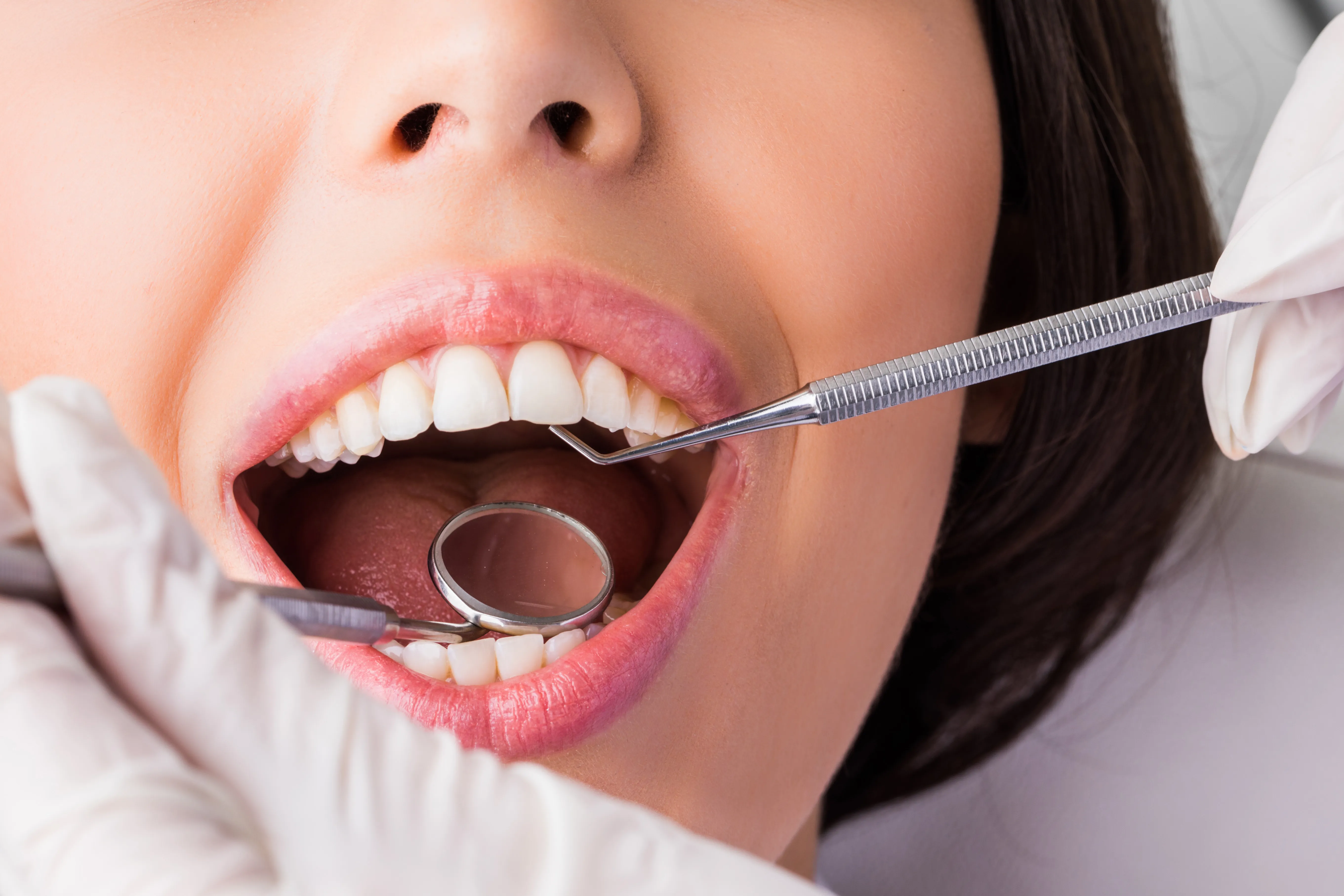
Thailand Pediatric Dentistry Care for Childrens Daily Dental Health
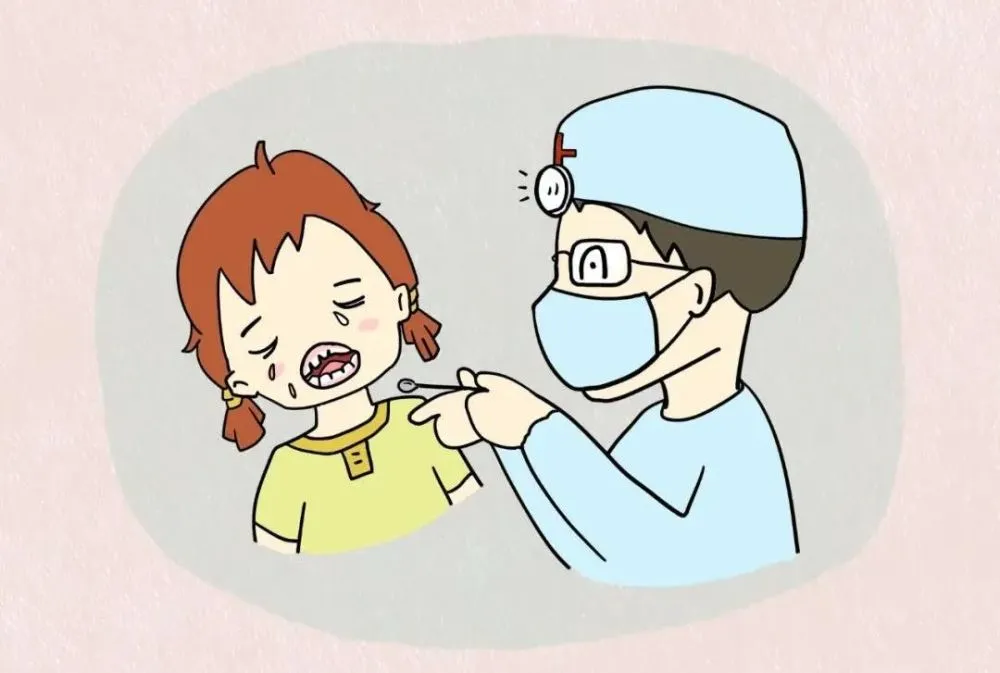
Thailand Pediatric Dentistry Care for Childrens Daily Dental Health
Healthy smiles start early, and in Thailand there are plenty of friendly options to keep your child’s teeth strong from the first tooth to the teenage years. Thailand’s pediatric dentistry scene—especially in Bangkok, Chiang Mai, Phuket, and major provincial cities—offers gentle, child-focused care, practical advice for parents, and convenient clinics open after school and on weekends. If you’re a mum or dad looking for clear guidance that matches daily life here, this guide will help you build a simple routine and know when to see a pediatric dentist.
Why baby teeth matter in Thailand’s climate and diet
Baby teeth (often called milk teeth) hold space for adult teeth and help children chew, speak, and smile with confidence. In a tropical country where cold drinks, sweet snacks, and sticky desserts are popular, tooth decay can creep in quickly. Sipping Thai iced tea, bubble milk tea, or sweetened yoghurt drinks throughout the day bathes teeth in sugar. Add favourites like kanom, sticky rice treats, and dried fruits, and you have a recipe for cavities if brushing habits are not strong. Good news: small daily habits make a big difference.
Daily routine for kids’ dental health
- Brush twice a day. Morning and night are non-negotiable. Use a soft, small-headed toothbrush. For children under 3, a smear of fluoride toothpaste (rice grain size) is enough. From 3 to 6 years, move to a pea-sized amount. Supervise brushing until at least age 7 to 8.
- Use proper technique. Angle the brush 45 degrees to the gum line and brush gently in small circles. Don’t forget the back molars—these are decay hotspots in Thai kids because they trap food from rice and sticky snacks.
- Spit, don’t rinse. After brushing, ask your child to spit out the foam but avoid rinsing with water. It leaves helpful fluoride on the teeth longer.
- Floss once a day as soon as two teeth touch. Kid-friendly flossers make it easier for small hands.
- Water wins. Encourage plain water between meals and after school. Keep sweet drinks to mealtimes only, and avoid prolonged sipping. A covered water bottle in the school bag helps.
- Snack smart. Aim for fresh fruit, unsweetened yoghurt, cheese, nuts (if age-appropriate), and crunchy veg. Limit candy, gummies, and sticky rice sweets to special occasions, and brush soon after.
First dental visit and check-up schedule
The first dental visit should happen when the first tooth erupts or by the first birthday. In Thailand, many pediatric dental clinics create a fun environment—colourful walls, cartoons on the ceiling screens, and dentists trained to speak gently and use tell-show-do techniques. After the first visit, schedule check-ups every six months. Some children may need more frequent fluoride varnish or sealants depending on their risk.
What to expect at a Thai pediatric dental clinic
- A friendly, play-based approach to reduce fear. Many clinics offer a small play corner and stickers or a “brave kid” certificate after treatment.
- Preventive care. Fluoride varnish applications and fissure sealants on new molars are common and very effective against cavities.
- Clear dietary guidance relevant to local habits. Your dentist will talk about managing sweet drinks, school tuck shop choices, and festival treats.
- Orthodontic monitoring. If your child has mouth breathing, thumb sucking, or crowding, the dentist may advise an early orthodontic check (often around age 7).
Choosing a pediatric dentist in Thailand
- Location and convenience. Bangkok traffic is real, so pick a clinic near your home, school, or along BTS/MRT. In other provinces, consider park
ing and weekend slots.
- Qualifications. Look for a pediatric dentist (often listed as Pedo or Paedodontist) with experience in child behaviour management. Many speak English and Thai.
- Clinic atmosphere. A calm, cheerful space helps anxious children. Ask if they use nitrous oxide (laughing gas) for very nervous kids or longer procedures.
- Emergency readiness. Active kids can chip or knock teeth; clinics that handle emergencies quickly are a plus.
Public and private care options
Thailand’s public hospitals and community dental clinics provide affordable care, especially under the Universal Coverage Scheme for eligible Thai citizens and residents. Services often include check-ups, fillings, extractions, fluoride varnish, and sealants. Private clinics and international hospitals in Bangkok, Chiang Mai, and Phuket offer extended hours, shorter waiting times, and bilingual staff. If you have private insurance, check your dental benefits for children.
Fluoride and sealants: small steps, big protection
Because many parts of Thailand do not have fluoridated tap water, fluoride toothpaste and professional fluoride varnish are important. Ask your dentist about:
- Fluoride varnish every 3 to 6 months for high-risk kids.
- Fissure sealants on first and second permanent molars soon after they erupt (usually ages 6 to 7 and 11 to 12). Sealants are quick, painless, and reduce cavities in the grooves by up to 80 percent.
Common Thai habits to watch
- Night-time bottles. Avoid putting a child to sleep with a bottle of milk or sweet drinks. If needed, switch to plain water. Sweetened condensed milk in bottles is a major cause of early childhood caries.
- Frequent grazing. In Thailand’s hot weather, kids snack often. Try to keep snacks to set times and brush after the last snack at night.
- Sports and swimming. If your child swims frequently, rinse with water after to neutralise pool chemicals. For contact sports, consider a custom mouthguard from your dentist.
Signs your child needs a dentist now
- White chalky spots near the gum line (early decay)
- Sensitivity to cold or sweet foods
- Bad breath that does not improve with brushing
- Mouth ulcers lasting more than two weeks
- Trauma: chipped or knocked-out tooth after a fall or football game
Dental first aid for knocks and falls
- Permanent tooth knocked out: Hold by the crown (not the root), rinse gently if dirty, and try to reinsert. If not possible, place in cold milk or the child’s saliva and go to a dentist immediately—ideally within 30 minutes.
- Baby tooth knocked out: Do not reinsert. Apply gentle pressure with gauze if bleeding and see a dentist promptly.
- Chipped tooth: Collect the fragment if you can, rinse the mouth, and visit the dentist within the day.
Making dental care part of Thai family life
- Turn brushing into a family activity with a two-minute song or timer. Many Thai families brush together after dinner.
- Keep a dental calendar on the fridge—stickers for every night brushed and stars for dentist visits.
- Coordinate appointments with school holidays or after-school slots. Many malls host dental clinics, making it easy to combine errands and care.
Key takeaway
Daily habits, smart snack choices, and regular check-ups are the pillars of children’s dental health in Thailand. With child-friendly pediatric dentists across the country and practical preventive tools like fluoride and sealants, keeping your kid’s teeth cavity-free is absolutely doable. Start early, keep it consistent, and partner with a trusted Thai pediatric dentist so your child can smile brightly—today and for years to come.