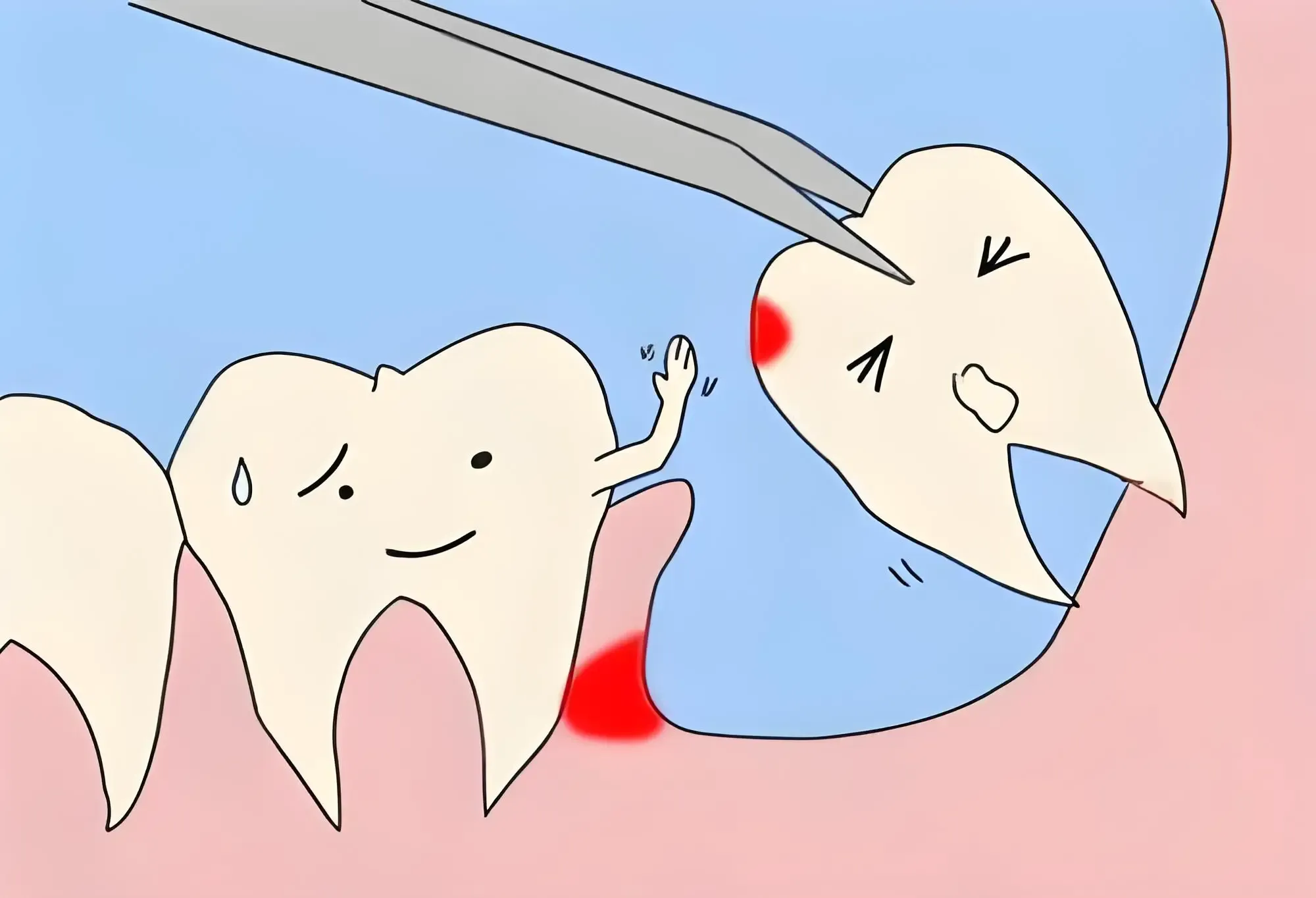
Thailand Pediatric Dentistry Care for Childrens Bright Future Smiles
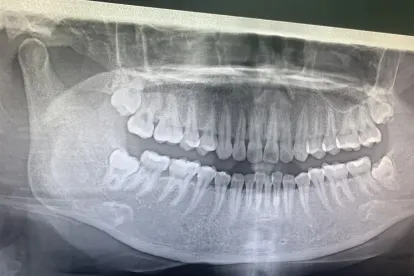
Thailand Pediatric Dentistry Care for Childrens Bright Future Smiles
In Thailand, a smile is more than a greeting—it’s part of daily life. Helping children grow up with healthy, confident smiles starts early, and that’s where pediatric dentistry comes in. Whether your family stays in Bangkok, Chiang Mai, Phuket, Pattaya, Khon Kaen, or upcountry, finding the right kids’ dental care makes a big difference. This guide walks you through what to expect at a pediatric dentist in Thailand, when to bring your child, and simple habits that protect those milk teeth and the adult teeth waiting underneath.
Why pediatric dental care matters
- Milk teeth are not “practice teeth.” They help children chew properly, speak clearly, guide adult teeth into place, and build confidence at school and at play.
- Tooth decay is common in young kids, especially with sweet drinks, bubble tea, flavored milk, and local kanom. Early prevention is easier (and cheaper) than fixing pain later.
- Healthy smiles support overall health. Untreated cavities can affect appetite, sleep, and learning.
When to start and how often to go
- First visit: by the first tooth or by the first birthday. Early visits build trust and let the dentist spot issues before they become a big deal.
- Routine check-ups: every six months for most kids. Some children who are higher risk might need to come a bit more often.
- Best timing: book when your child is fresh—usually morning—to make the visit smoother.
- Bring essentials: any health card, previous dental records, and your child’s favorite toy or comfort item.
What to expect at a Thai kids’ dental clinic
Pediatric dental clinics in Thailand are designed to be friendly for little ones—colorful rooms, cartoons on the ceiling, and staff trained to help children feel at ease. Many clinics in Bangkok, Phuket, and Chiang Mai have English-speaking dentists and assistants, and parents are usually welcome in the room.
- Tell-show-do approach: the dentist explains and demonstrates before starting, so your child knows what to expect.
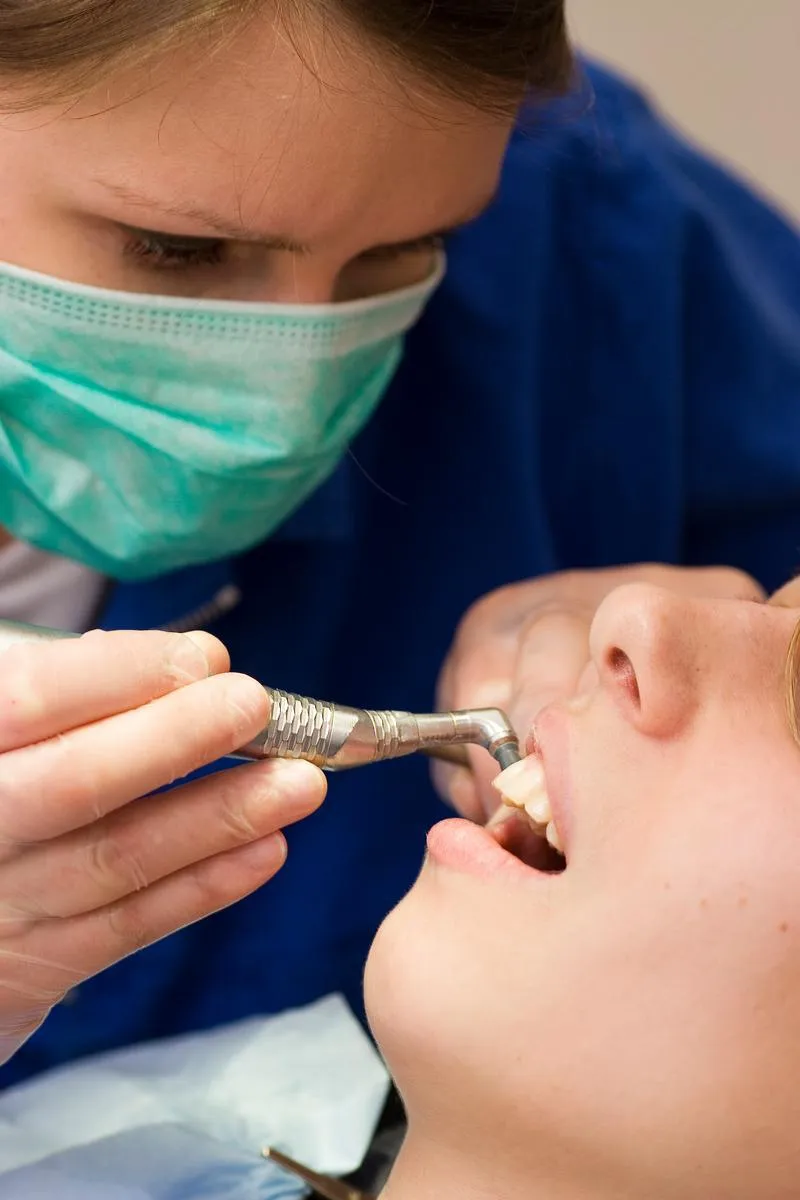
- Cleaning and check-up: gentle scaling (if needed), polishing, and a check for early signs of decay.
- Fluoride varnish: a quick, paint-on treatment that strengthens enamel and helps prevent cavities.
- Fissure sealants: a thin protective layer on chewing surfaces of back teeth to stop food and bacteria from hiding in deep grooves.
- X-rays: used only when necessary; modern digital x-rays keep exposure very low.
- Behavior support: breathing techniques, fun distractions, and in some clinics, laughing gas or sedation for anxious children when appropriate.
Costs vary by city and clinic type, but as a rough guide, private clinics often charge a few hundred to a few thousand baht depending on the procedure (for example, check-up and cleaning for kids may start around the low thousands in major cities). Public hospital dental departments may be more affordable, with longer queues. For Thai nationals, the gold card (UCS) and Social Security schemes cover basic dental benefits; check your rights and referral rules. Many private clinics accept cashless payments and bookings via LINE.
Home care that fits Thai family life
- Brush twice daily with a fluoride toothpaste. For under-3s, use a smear the size of a grain of rice; from 3–6 years, a pea-sized amount. Guide your child’s brushing until they can write neatly (usually around 7–8 years). Teach them to spit, not rinse, so the fluoride keeps working.
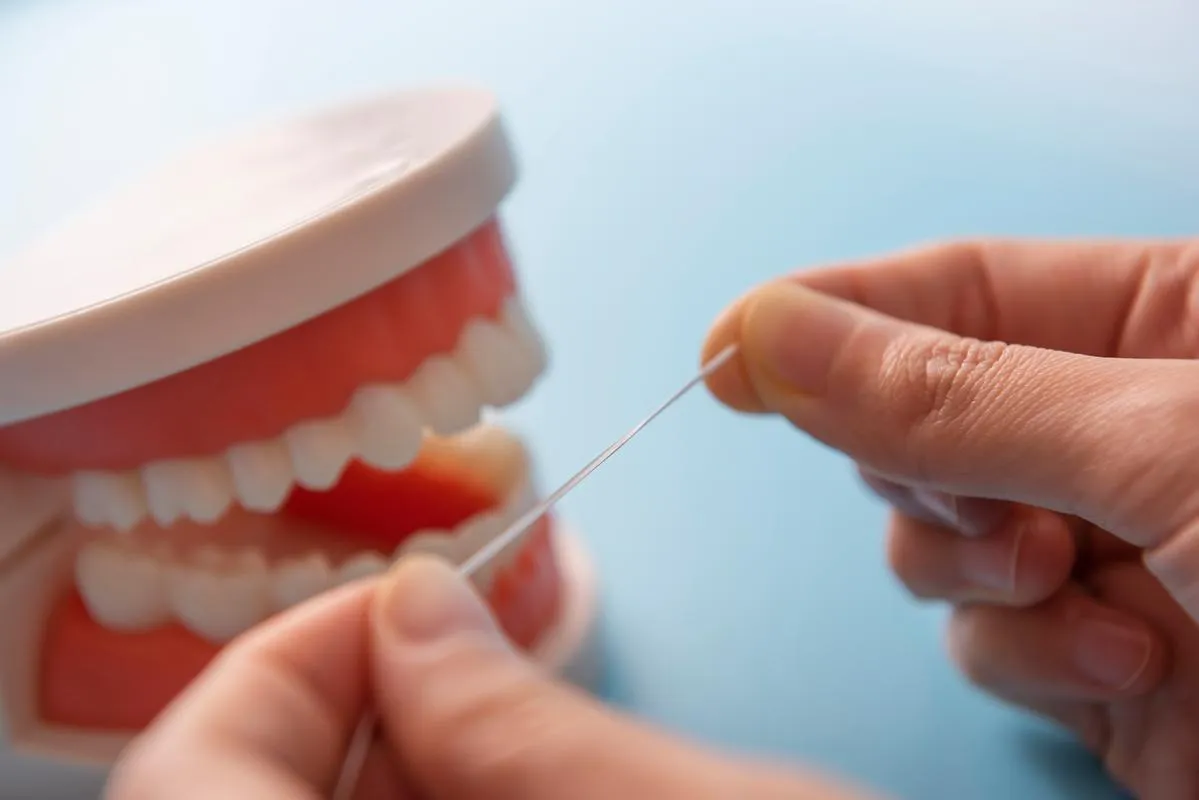
- Floss once daily when teeth touch. Kids’ flossers make it easier.
- Watch the sweets and sweet drinks. Save cha yen, bubble tea, flavore
d milk, and soft drinks for special moments, and serve with meals rather than as a frequent snack. Water is the best in-between drink.
- Bedtime milk: avoid letting your child fall asleep with a bottle of milk or sweet drinks. If they need comfort, choose plain water.
- Choose tooth-smart snacks: fresh fruit, cheese, yogurt (no added sugar), nuts for older kids, and sticky rice or roti less often. Rinse with water after sweet or sticky treats. If using a straw for sweet drinks, place it towards the back to reduce contact with front teeth.
- Mouthguards for sport: if your child plays football, basketball, or muay thai, ask your dentist about a custom mouthguard.
Early orthodontic checks and habits
By age 7, most kids benefit from an early orthodontic assessment to check jaw growth, crowding, and bite. Some children may need interceptive braces or simple habit guidance. Thumb sucking, prolonged pacifier use, and mouth breathing can affect jaw development; your pediatric dentist can suggest gentle ways to break habits and coordinate with an ENT if enlarged tonsils or allergies are involved.
Handling dental emergencies
- Toothache: rinse, gently brush, and call your pediatric dentist. Avoid putting aspirin on the gum.
- Broken tooth: collect any pieces, rinse with clean water, and bring them to the clinic.
- Knocked-out adult tooth: handle the tooth by the crown (top), not the root. Do not scrub. Rinse briefly with saline or milk. If possible, place it back in the socket and ask your child to bite gently on gauze. If not, store it in cold milk or saline and go to a dentist or hospital dental department immediately—ideally within 60 minutes.
- Knocked-out milk tooth: do not replant. See your dentist to protect the developing adult tooth.
Many Thai clinics offer an emergency hotline or LINE contact and can advise you where to go after hours; large hospitals in Bangkok and provincial centers usually have on-call dental services.
Choosing the right pediatric dentist in Thailand
- Training and credentials: look for a dentist with pediatric specialty training and Thai Dental Council registration. The Pediatric Dentistry Association of Thailand is a good reference point.
- Child-friendly approach: ask about behavior techniques, sedation options if necessary, and whether parents can accompany the child.
- Convenience: consider proximity to BTS/MRT or parking in Bangkok, and clinic hours that fit your family routine.
- Communication: if you prefer English, check that the team can explain findings and home care clearly. Many clinics serving expat communities in Bangkok, Phuket, and Chiang Mai provide bilingual care.
- Prevention focus: choose a clinic that emphasizes education, fluoride, and sealants—not just drilling and filling.
School and community support
Thailand has strong school-based dental programs in many areas. Some schools run fluoride rinse days, and public health units often organize mobile dental vans for check-ups and sealants. Keep an eye on announcements from your child’s school and local health center to make the most of free or low-cost prevention.
The big picture
Raising cavity-free kids is a team effort between families, schools, and friendly dental teams. With regular check-ups, fluoride and sealants, sensible snack habits, and early orthodontic guidance, children in Thailand can grow up with strong, confident smiles. Start early, keep it consistent, and choose a pediatric dentist who makes your child feel safe and seen. Those bright future smiles are well worth it.