Thailand Pediatric Dentistry Care for Healthy Smiles While Traveling
Thailand Pediatric Dentistry Care for Healthy Smiles While Traveling
Planning a family holiday to the Land of Smiles? Keeping your child’s teeth healthy while you explore Bangkok, Phuket, Chiang Mai, or the islands is easier than you think. Thailand has a strong network of pediatric dentists, modern clinics, and a friendly “sabai sabai” approach that helps kids feel relaxed. With a little preparation and a few local tips, you can enjoy your trip and keep those small smiles shining.
Why Thailand is great for pediatric dental care
Thailand’s pediatric dentists are well-trained, English-speaking, and used to helping international families. You’ll find child-friendly clinics with play corners, cartoon ceilings, and gentle techniques like Tell-Show-Do that make new experiences less scary. For nervous little ones, many clinics offer nitrous oxide (laughing gas) or painless local anesthesia with numbing gel first. Larger hospitals in Bangkok and major cities are Joint Commission International (JCI) accredited, and infection control is taken seriously with autoclaves, sealed instruments, and single-use disposables.
Care is efficient and affordable compared to many Western countries. Expect clear treatment plans, upfront pricing, and staff who communicate well in English. If you need to see a specialist, ask for a pediatric dentist (in Thai, “mor fun dek”), and look for clinics registered with the Dental Council of Thailand.
Before you fly: simple steps for smooth travels
- Schedule a check-up at home or in Thailand before your big adventure, especially for longer stays. Freshly sealed molars and treated cavities travel best.
- Pack kids’ fluoride toothpaste (check the label: 1000–1450 ppm fluoride for most children) and their favorite soft toothbrush or a small silicone finger brush for toddlers. Familiar items make routines easy, even in new places.
- Bring a small dental kit: floss picks, a compact mouthwash for older kids, and pediatric pain relief as advised by your doctor.
- Print or save dental records and any X-rays, just in case.
- If a child has a toothache or a broken filling, try to fix it before flying; cabin pressure can make dental pain worse.
Daily habits that work in Thailand
Thailand’s food scene is amazing and “sanuk” (fun), but sweet drinks and sticky treats can add up. Help your child enjoy the good stuff without hurting their teeth:
- Keep them hydrated. It’s hot and humid, so carry bottled water (widely available at 7-Eleven). Offer frequent sips to wash away food acids and stay comfortable.
- Be smart with sweets. Mango sticky rice, roti with condensed milk, Thai milk tea, and bubble tea are tasty but sugary. Use a straw for sweet drinks, limit sipping time, and offer treats with meals rather than as constant snacks.
- Rinse, then brush. After sticky or acidic foods, have your child rinse with water, wait 20–30 minutes, then brush. This protects enamel better than brushing immediately.
- Choose tooth-friendly options. Fresh fruit, grilled corn, sticky rice with chicken, yogurt, and cheese are easy wins. Sugar-free gum with xylitol (for older kids) after meals can help too.
- Stick to the routine. Two minutes of brushing twice a day and daily flossing for tight contacts. Make it “sabai sabai” by playing their favorite song or turning it into a mini game.
- Protect lips and cheeks. Use SPF lip balm to prevent cracks, and pack a soft mouthguard if your child will try Muay Thai or other sports.
Finding a kid
s’ dentist in Thailand
In Bangkok, Phuket, Chiang Mai, Pattaya, and Koh Samui, search “pediatric dentist” or “kids dental clinic” on Google Maps. Check reviews, photos, and opening hours—many clinics open late and on weekends. International hospitals often have dental departments with pediatric specialists. Booking is easy via phone, email, WhatsApp, or the LINE app. When calling, ask:
- Do you have a pediatric dentist today?
- Do you offer nitrous oxide for children if needed?
- Can a parent stay with the child during treatment?
- What is the estimated fee for a check-up and cleaning?
What to expect at an appointment
A typical visit starts with a friendly chat about your child’s habits and any concerns. The dentist will do a gentle exam, sometimes with small digital X-rays if needed. Preventive options commonly offered:
- Professional cleaning and fluoride varnish to strengthen enamel
- Fissure sealants on molars to block decay
- Silver diamine fluoride (SDF) to stop early cavities without drilling
- Minimally invasive fillings, rubber dam isolation for comfort, and stainless steel crowns for larger baby-tooth repairs
Pediatric teams in Thailand are experienced at working with young travelers and often allow a parent to sit nearby. Payment is usually by cash or card, and fees are typically lower than in Europe, Australia, or the United States. Travel insurance may reimburse dental emergencies—keep receipts and a brief report from the clinic.
Handling common dental problems on the road
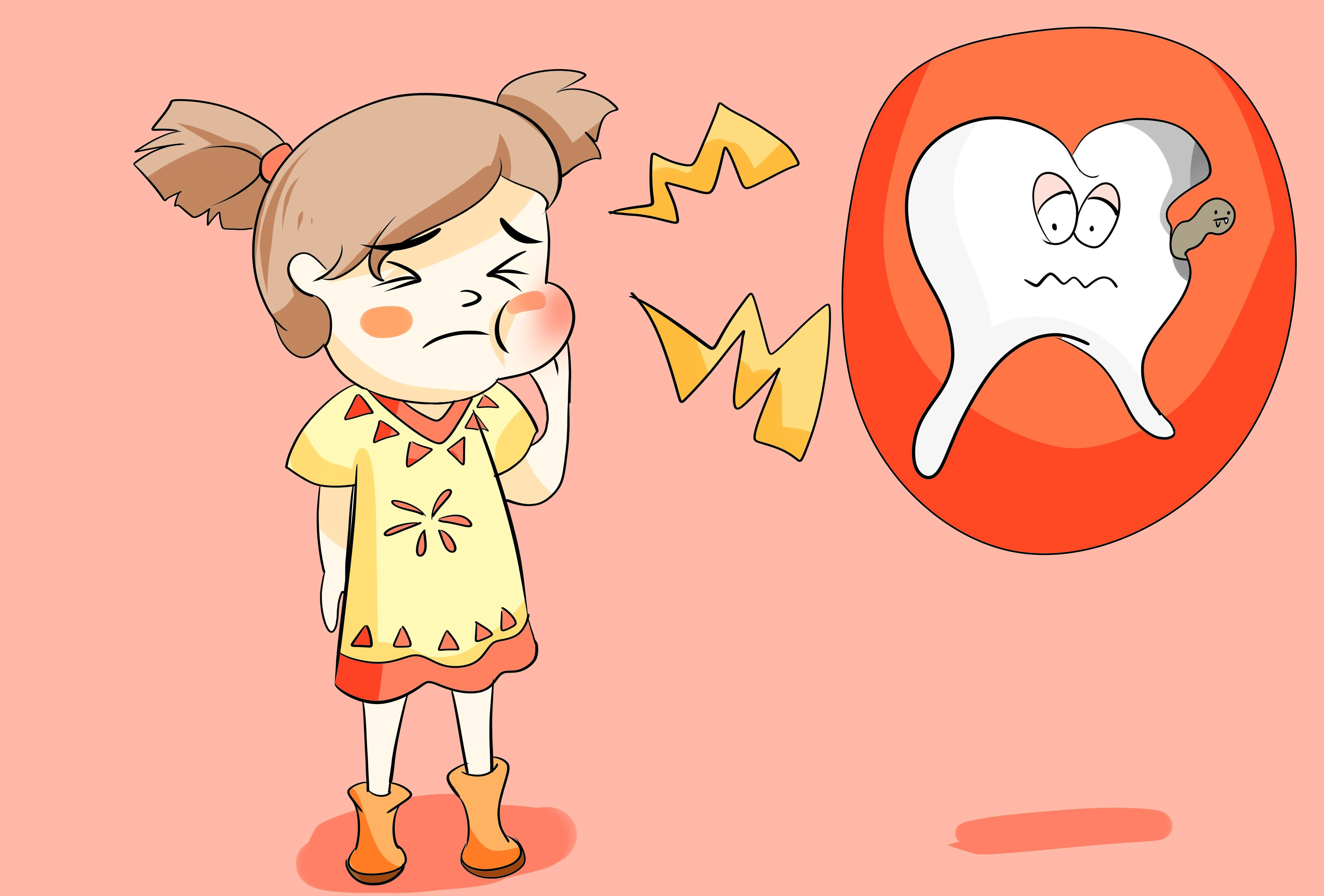
- Toothache: Rinse with lukewarm salt water, gently floss around the area, and avoid very hot, cold, or sweet foods. Use child-appropriate pain relief if necessary and book a visit. Don’t place aspirin on gums.
- Chipped tooth: Save any pieces in milk or clean saline and see a dentist promptly. Even small chips can be smoothed or bonded quickly.
- Knocked-out tooth: If it’s a baby tooth, do not reinsert—see a dentist. If it’s a permanent tooth, gently rinse (no scrubbing), place it back in the socket if possible, or store it in milk and get immediate care. Time is crucial.
- Braces wire poking: Use orthodontic wax (easy to buy at pharmacies) and book a quick adjustment.
Safety and hygiene reassurance
Thai clinics follow strict sterilization and infection-control protocols. If you’re unsure, it’s okay to ask how instruments are sterilized (autoclave), whether surfaces are disinfected between patients, and if single-use items are disposed of properly. Reputable clinics will happily explain.
Extra travel-savvy tips for parents
- Use bottled water for drinking; for brushing, most families are comfortable with tap water in major cities, but bottled is fine if your child has a sensitive stomach.
- Keep a mini toothbrush set in your daypack for post-snack brushing at the mall or airport.
- If your child uses a nighttime bottle, stick to water only—no milk or juice in bed, even during holidays.
- Teach a useful phrase: “Is there a pediatric dentist?” In Thai, that’s “mee mor fun dek mai?” Most receptionists will understand English, but this helps.
Thailand welcomes families with warmth, and that friendly “mai pen rai” spirit extends to healthcare. With thoughtful planning, smart snack choices, and the support of skilled pediatric dentists across the country, your child can enjoy every temple, beach, and night market with a bright, healthy smile. Safe travels and happy brushing!