Thailand Pediatric Dentistry Services With Efficient Pediatric Care
Thailand Pediatric Dentistry Services With Efficient Pediatric Care
If you’ve ever taken your child to the dentist in Thailand, you’ll know the experience is designed to be friendly, fast, and reassuring. From Bangkok to Phuket and Chiang Mai, pediatric dentistry here blends specialist training with a warm, family-first approach. Whether your family is local or expat, you can expect efficient pediatric care that keeps kids comfortable and parents well-informed—without long waiting times or confusing processes.
What sets pediatric dentistry in Thailand apart
- Child-focused specialists: Pediatric dentists in Thailand complete extra years of training in behavior management, growth and development, and treatment for infants, children, and teens. Many are board-certified and experienced with multilingual families.
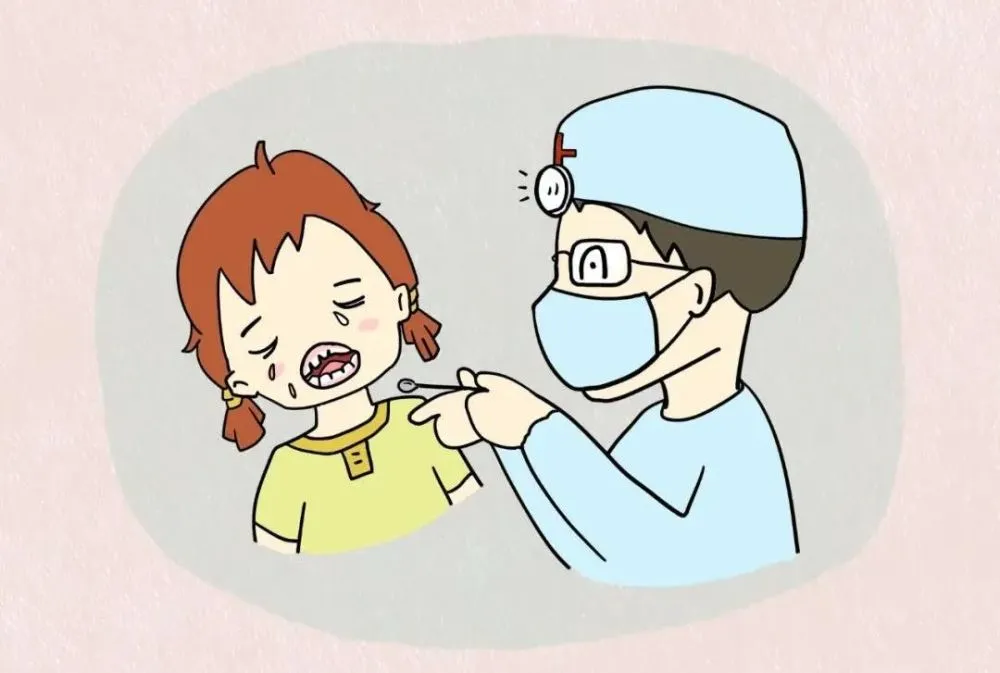
- Kid-friendly clinics: You’ll find bright spaces, play corners, and ceiling TV screens above dental chairs. Clinics use “tell–show–do” to prepare kids gently for each step and reduce stress.
- Strong safety and hygiene: Sterilization protocols are strict, with many hospitals and top clinics following international standards. Larger hospitals often have JCI-accredited systems and pediatric anaesthesiology support.
- Smooth communication: Many clinics have English-speaking staff, WhatsApp or LINE booking, e-receipts for insurance, and clear price quotes before treatment starts.
Efficient pediatric care, Thai style
Time matters for busy families. Pediatric clinics in Thailand are known for:
- Easy booking: Call, message via LINE, or use online forms; you’ll often get confirmations and reminders automatically.
- Convenient locations: Many clinics are close to BTS/MRT in Bangkok or near main roads with parking in other cities, and open evenings or weekends.
- Short queues: Dedicated pediatric rooms and on-site digital X-ray mean fewer visits and faster appointments.
- Same-day solutions: For small cavities or dental sealants, treatment is often done on the spot, saving you extra trips.
- Calm environment: Trained staff use child-friendly language, distraction, and rewards to keep appointments smooth and quick.
Core pediatric services available
- First dental visit and routine check-ups: Dentists recommend a first visit by age one or within six months of the first tooth. Expect a gentle exam, brushing demo, and dietary guidance.
- Preventive care: Professional cleaning, fluoride varnish to strengthen enamel, and fissure sealants for cavity-prone molars are standard offerings.
- Tooth-coloured fillings and crowns: Glass ionomer and composite fillings are commonly used for baby teeth. For larger decay, stainless steel crowns provide strong protection.
- Pulp therapy for baby teeth: Pulpotomy or pulpectomy keeps a milk tooth in place when deep decay is present, protecting the bite and guiding permanent teeth.
- Space maintainers: If a baby tooth is lost early, a small appliance keeps the gap until the adult tooth erupts, preventing crowding.
- Trauma care: Active kids sometimes chip or knock teeth; pediatric dentists handle everything from minor fractures to dental splints.
- Early orthodontics: Monitoring jaw growth, habit correction (thumb-sucking, mouth breathing), myofunctional training, and interceptive appliances can guide development before teenage braces.
- Special needs dentistry: Many centers offer longer appointment slots, sensory-friendly rooms, and coordination with pediatricians for children with medical or developmental conditions.
- Pain and anxiety management: Options range from nitrous oxide (laughing gas) for mild anxiety to IV sedation or general anaesthesia in a hospital setting when multiple procedures are needed.
Costs and insurance basics
Prices vary by city and clinic type (private clinic vs hospital). As a general guide:
- Check-up and cleaning for children: usually a few hundred to jus
t over a thousand Thai baht depending on scope
- Fluoride varnish: typically modest add-on cost per visit
- Sealants: per tooth pricing, often mid-range and clearly quoted
- Fillings and stainless steel crowns: depend on size and material; crowns are higher-cost but long-lasting for milk molars
- Sedation or GA: quoted as packages that include anaesthesia, operating room, and dentist fees in hospital settings
Many private hospitals and larger clinics offer direct billing with international insurers or issue detailed receipts for claims. Promotions and family packages are common during school holidays. It’s always best to request a written treatment plan with itemized costs before you start.
How to choose the right pediatric dentist in Thailand
- Check credentials: Look for pediatric specialty training and membership in recognized Thai and international bodies.
- Consider location and hours: Near BTS/MRT or main roads, with evening/weekend slots. “Open daily” or “open on public holidays” can be a big help for working parents.
- Ask about approach: Behavior management methods, parental presence in the room, and pain control options should be clearly explained.
- Review facilities: Digital X-ray, sterilization standards, emergency protocols, and hospital backup for complex cases.
- Language and communication: Bilingual staff, written reports in English, and easy booking via LINE or phone.
- Read reviews and talk to other parents: Personal experiences often highlight how child-friendly a clinic truly is.
- Follow-up support: SMS/LINE reminders, post-treatment instructions, and education materials for home care.
Everyday habits that protect kids’ teeth
- Brush twice a day with fluoride toothpaste: For young kids, a smear or pea-sized amount depending on age; parents should help until about age 7–8.
- Floss once daily where teeth touch: Especially between back molars, where cavities commonly start.
- Smart snacks and drinks: Limit frequent sweets and sticky snacks; keep sugary drinks to mealtimes. Offer water after treats like milk tea with boba or dessert.
- No bottle to bed: Milk or juice at bedtime increases decay risk. Water is best.
- Fluoride and sealants: Keep regular appointments to top up protection.
- Sports safety: Use mouthguards for contact sports and cycling.
Make the first visit a positive one
- Choose a morning slot when kids are fresh and not hungry.
- Avoid using words like “pain” or “injection”; let the dentist do the explaining in child-friendly terms.
- Practise “open wide” at home and bring a favourite toy or blanket.
- Keep it short and sweet: The goal of the first visit is trust, guidance, and a simple check.
What to do in a dental emergency
- Knocked-out adult tooth: Hold by the crown, avoid touching the root, gently rinse if dirty, place in milk or saline, and go to a dentist immediately. Time is critical.
- Knocked-out baby tooth: Do not reinsert. See a pediatric dentist promptly to check for injury to the gums and developing tooth.
- Toothache or swelling: Rinse with warm water, use a cold compress for swelling, and seek care quickly. Avoid placing aspirin on the gum.
- During holidays: Many clinics post holiday hours on their LINE or Facebook; hospitals have emergency dental coverage and can coordinate imaging and antibiotics if needed.
Why families trust Thailand for kids’ dental care
Thailand combines highly trained pediatric dentists, modern facilities, and a service mindset that respects your time and your child’s comfort. Add transparent pricing, convenient locations near schools and transport, and strong aftercare, and you get efficient pediatric care without cutting corners. Start early, focus on prevention, and keep a friendly routine with your chosen clinic—your child’s smile will thank you for years to come.