Thailand Pediatric Dentistry Services for Childrens Healthy Development
Thailand Pediatric Dentistry Services for Childrens Healthy Development
Caring for children’s teeth is about more than bright smiles. In Thailand, pediatric dentistry plays a key role in healthy development—helping kids chew well, speak clearly, sleep better, and feel confident at school. With a strong mix of public hospitals, private clinics, and university dental hospitals in cities like Bangkok, Chiang Mai, Khon Kaen, and Phuket, families have many options to keep little teeth in great shape.
What makes pediatric dentistry in Thailand unique
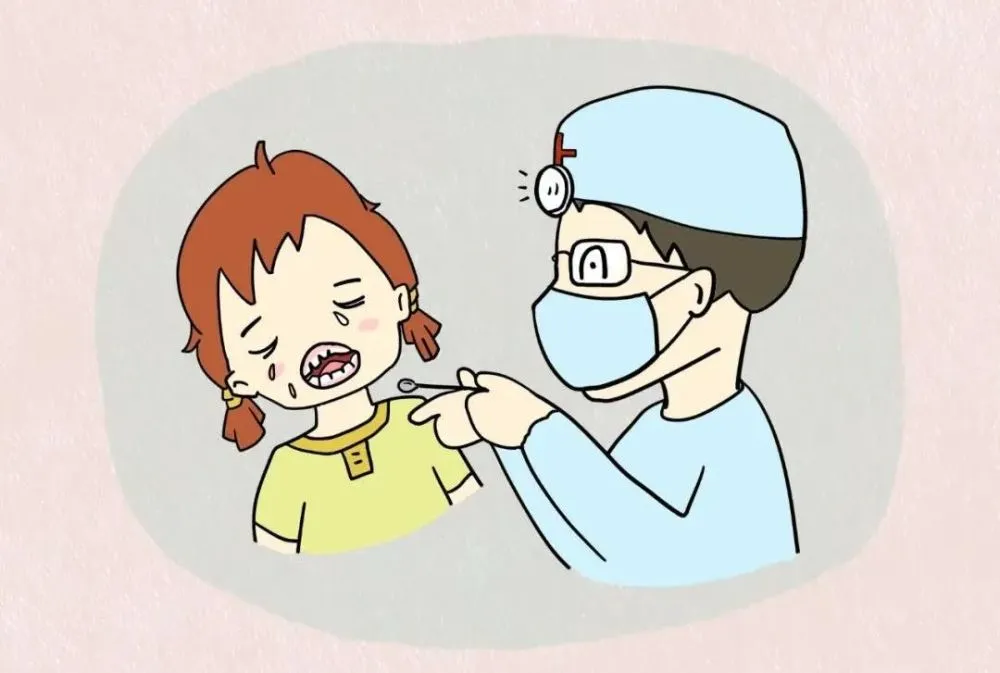
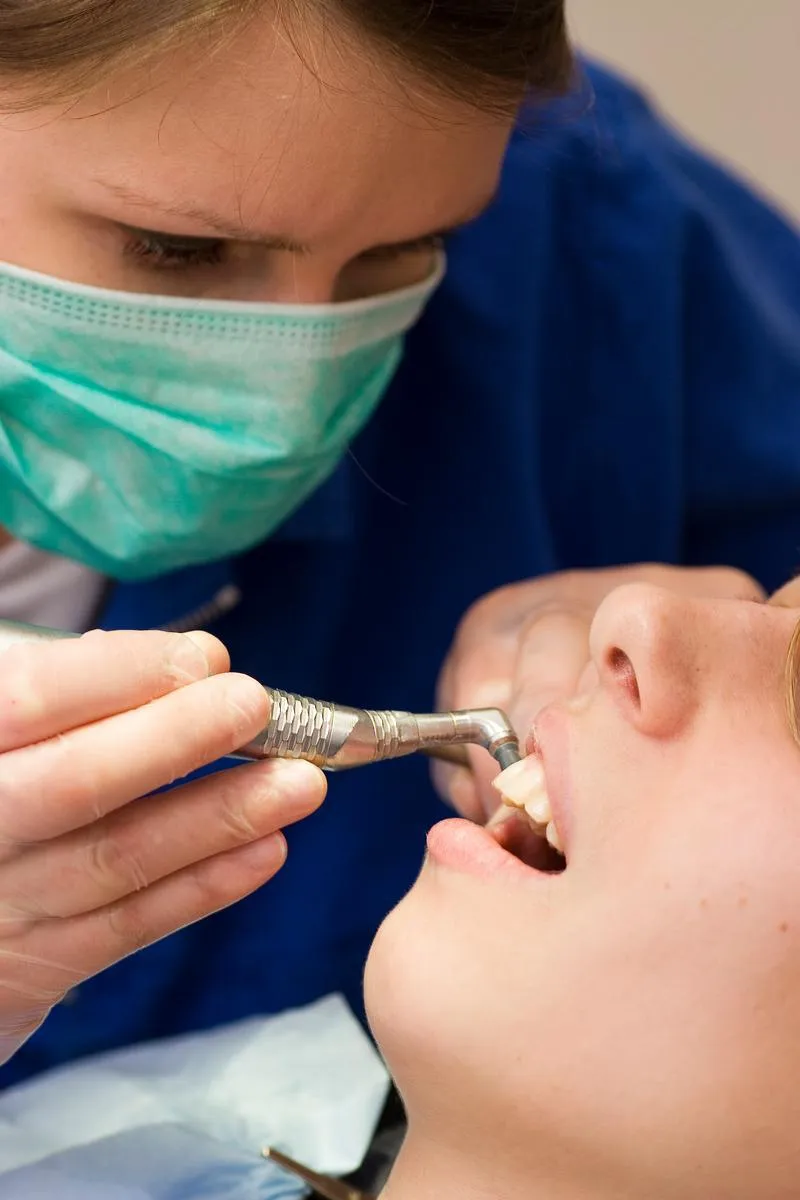
Pediatric dentists are specialists who complete extra training focused on children’s oral health—from infants to teens. Clinics here are designed to be kid-friendly, with colourful play corners, gentle communication, and a “tell-show-do” approach so children know exactly what to expect. Many clinics prioritise sanuk—keeping the visit fun—because relaxed, happy kids co-operate better. For anxious patients, some practices offer nitrous oxide (laughing gas) or other safe behavioural techniques. You’ll also find bilingual teams in major cities, helpful for expat families who want clear guidance in English.
When should your child start seeing the dentist
The golden rule used by many Thai dentists is “first tooth, first visit”—or by age one at the latest. Early visits let your dentist check growth, spot early childhood caries, and coach parents on brushing and diet. After that, aim for check-ups every six months, or as advised by your dentist based on your child’s risk.
Daily care tips Thai dentists often recommend
- Brush twice a day with fluoride toothpaste. Use a rice-grain smear for under 3 years old and a pea-sized amount from 3 to 6 years.
- Start flossing when teeth touch.
- Avoid putting your child to bed with a bottle of milk or sweet drinks.
- Keep sugary snacks and drinks (including popular kanom, sweet teas, and flavoured milks) for mealtimes only, and offer water between meals.
- After sports, encourage water instead of sugary isotonic drinks.
- Schedule dental visits in the morning when young children are freshest—less fuss, more smiles.
Common pediatric dental services in Thailand
- Check-ups and cleanings: Monitoring tooth eruption, bite alignment, and gum health.
- Fluoride varnish: A quick, painless coating to strengthen enamel and reduce decay risk.
- Dental sealants: Protective layers on molars to keep food and bacteria out of deep grooves—common in school dental programs.
- Fillings and crowns: Tooth-coloured fillings for small cavities and stainless steel crowns for heavily decayed baby molars to maintain chewing and space.
- Space maintainers: If a baby tooth is lost early, a simple device keeps space for the adult tooth.
- Orthodontic assessments: Early checks for bite and crowding, with options for interceptive orthodontics when needed.
- Habit guidance: Support for thumb-sucking, tongue thrust, and pacifier use.
- Trauma care: Fast treatment for playground accidents; mouthguards for muay thai, football, and basketball.
How services fit into Thailand’s healthcare system
Thailand’s public sector supports children’s dental health through health-promoting hospitals, district hospitals, and university dental hospitals. Preventive services such as check-ups, fluoride applications, sealants, and basic fillings are widely available, with reduced costs for Thai citizens under national health coverage. Private clinics offer extended hours, shorter waits, and added comforts; many provide clear English communication and child-oriented amenities. University dental hospitals (such as those linked to Mahidol or Chulalongkorn) are excellent for comprehensive care and compl
ex cases under specialist supervision.
Choosing a pediatric dentist in Thailand
- Qualifications: Look for a board-certified pediatric dentist or a dentist with extensive pediatric experience. Reception staff can confirm training and membership in recognised Thai dental bodies.
- Child-friendly setup: Play areas, gentle explanations, and distraction tools indicate a clinic understands kids.
- Preventive focus: Ask about sealant and fluoride protocols, dietary counselling, and recall schedules.
- Behaviour management: If your child is anxious or has special healthcare needs, confirm the clinic’s approach to behaviour guidance or sedation.
- Convenience: Consider travel time, parking or BTS/MRT access, and appointment availability. In Bangkok, areas like Sukhumvit, Sathorn, and Ari have many family-friendly clinics.
- Language support: For expat families, confirm English-speaking dentists and staff.
What about costs and insurance
Fees vary by city and clinic. Generally, public hospitals are more budget-friendly; private clinics charge more for convenience and extended services. Thai citizens can access a range of pediatric dental benefits through national schemes; dependents under certain employment plans may also be eligible at designated facilities. International families often use private insurance, and many clinics provide itemised receipts for claims. It’s wise to request a treatment plan and quotation before starting care—transparent clinics are happy to explain options and costs.
Nutrition and habits unique to local lifestyles
Thailand’s delicious snacks and drinks can be high in sugar, even those that seem “light.” Keep an eye on sweetened soy milk, bubble tea, and flavoured yoghurts. Offer fresh fruit with meals rather than sticky sweets between meals. After a treat, rinse with water and brush at night with fluoride toothpaste. If your family enjoys night markets or weekend food trips, balance treats with tooth-friendly choices and keep a travel brush handy—mai pen rai, a small daily habit goes a long way.
What to do in a dental emergency
- Toothache: Rinse with warm water, floss gently to remove trapped food, and call your dentist. Avoid placing aspirin on gums.
- Chipped tooth: Save any pieces, rinse the mouth, and see a dentist promptly.
- Knocked-out permanent tooth: Hold the tooth by the crown, gently rinse if dirty, do not scrub, and try to reinsert. If that’s not possible, place it in cold milk or saline and go to a dentist immediately—ideally within 30 minutes.
- Knocked-out baby tooth: Do not reinsert; contact your pediatric dentist to protect the developing adult tooth.
Supporting healthy development beyond the clinic
Good oral health supports nutrition, speech development, and self-esteem. In Thailand, many schools partner with local dental teams for screenings and education. Ask your child’s teacher about school-based sealant or brushing programs. At home, make brushing a team activity—play a two-minute song, use a reward chart, or let kids choose a favourite toothbrush. The goal is consistency and sanuk, so the habit sticks.
The bottom line
Thailand offers a strong network of pediatric dentistry services tailored to children’s needs, from first-tooth visits to teen orthodontics. With a preventive mindset, local expertise, and family-friendly clinics, it’s easy to give your child a healthy start. Book that first check-up early, keep up with fluoride and sealants, watch the sweets, and lean on your dentist for guidance. Small steps today protect growing smiles—and help your child thrive at home, in class, and on the playground.