Thailand Pediatric Dentistry Clinics Providing Comfortable Pediatric Services
Thailand Pediatric Dentistry Clinics Providing Comfortable Pediatric Services
Finding a gentle, reliable dentist for your child can feel stressful, but in Thailand you’ll quickly notice a warm, family-friendly approach that puts little ones at ease. Many pediatric dentistry clinics here combine international standards with Thai-style hospitality—think jai yen (calm hearts), smiles at the door, and a focus on making the visit sanuk (fun) rather than scary. Whether you live in Bangkok, Chiang Mai, Phuket, or you’re visiting for medical travel, Thailand’s pediatric dental teams are well known for being patient, professional, and great with kids.
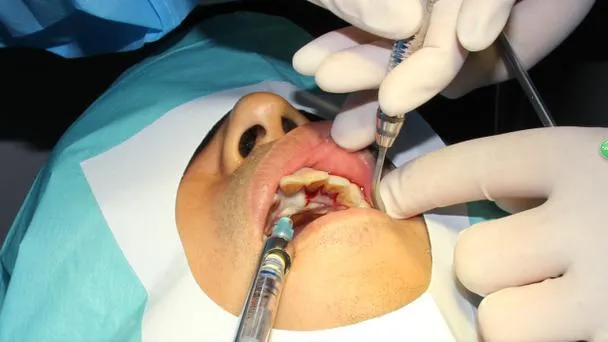
What makes a kid-friendly clinic in Thailand stand out is the way every detail is designed around comfort. You’ll often see bright murals, a play corner with books and toys, cartoons on screen above the dental chair, and a small prize box for brave patients. Dentists use the tell-show-do method to explain each step in child-friendly language, and they rely on proven behavior guidance techniques—distraction, positive reinforcement, and lots of encouragement. For children who are extra anxious, many clinics offer topical numbing gel, painless local anesthetic delivery, and nitrous oxide (laughing gas) with careful monitoring. The goal is simple: fewer tears, more smiles, and a positive association with oral care from the very first visit.
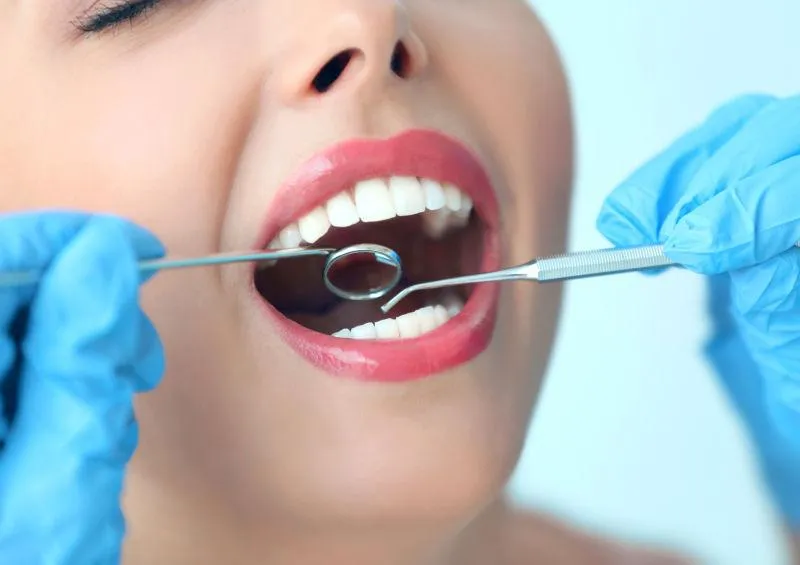
Pediatric dentistry in Thailand is comprehensive. Expect a focus on prevention first:
- Early dental check-ups and gentle cleanings
- Fluoride applications to strengthen enamel
- Sealants to protect molars from decay
- Dietary guidance tailored to local habits (for example, how to handle sweet drinks, Thai iced tea, sticky rice snacks, and school canteen treats)
- Habit counseling for thumb sucking or pacifier use
If treatment is needed, clinics use child-friendly techniques like silver diamine fluoride to stop early decay without drilling, the Hall technique for certain baby teeth crowns, and minimally invasive fillings with rubber dam isolation to make the process quicker and more comfortable. Pediatric specialists also manage dental trauma (quite common with bicycle or playground falls), interceptive orthodontics for developing bites, tongue-tie releases when appropriate, and space maintainers if a baby tooth is lost early.
Parents often ask, “When should we bring our child?” The recommendation is at the first tooth or by age one. Early visits are short and sweet—your dentist checks growth, cleans gently if needed, and shows you how to brush small teeth effectively. You’ll get tips that fit typical Thai routines, like brushing after nursery, managing sweets at birthday parties, and choosing fluoride toothpaste available at local pharmacies. The point is to build good habits before problems start, and to make the clinic feel like a friendly place. If your child is nervous, go with the flow—mai pen rai (no worries). Most pediatric dentists here are masters at turning a first visit into a success with patience and play.
In Bangkok, many pediatric clinics are easy to reach by BTS or MRT. You’ll find options around Sukhumvit, Thonglor, Ekkamai, Silom, and Ari, often in modern buildings with convenient parking. Chiang Mai’s family dental centers cluster near Nimmanhaemin and the old city, with a relaxed vibe and plenty of green views. Phuket, Pattaya, and Khon Kaen also offer well-equipped clinics serving local and international families, with Saturday hours and after-school appointment slots that fit Thai
family schedules. If you need a hospital-based setting—helpful for children with special healthcare needs—major private hospitals and university hospitals have pediatric dental departments with full sedation capabilities when indicated.
Communication is another strong point. Most pediatric dentists and staff speak Thai and English, and many clinics handle booking and reminders via LINE, which is very convenient. You’ll be greeted with a friendly “Sawasdee ka/krub,” and the team will wai respectfully, making the experience welcoming from the start. Clear explanations, before-and-after photos, and printed home-care instructions help you feel confident about each step of your child’s care.
Parents also care about safety and standards. Thai pediatric dentistry clinics typically use digital X-rays with lead aprons and thyroid collars, follow strict sterilization protocols with autoclaves, and comply with radiation safety principles (ALARA). If sedation is used, trained personnel monitor oxygen levels, heart rate, and breathing, and consent is obtained in your language. Many dentists hold certifications from the Thai Dental Council and are Diplomates of the Thai Board of Pediatric Dentistry, often with additional international training.
Costs vary by city and clinic. As a general guide, routine check-ups and cleanings for children are often reasonably priced compared to many countries, with preventive treatments like fluoride and sealants offered at transparent rates. Private clinics usually accept cash, credit cards, and PromptPay; some can provide documents for international insurance claims. If you’re using Thai social security or the universal coverage scheme, pediatric dental services are typically accessed through designated public hospitals or affiliated clinics—ask your provider for the latest details.
Here are practical tips for choosing the right pediatric dentist in Thailand:
- Look for a pediatric specialist (board-certified) and check years of experience with children.
- Read recent Google reviews focusing on communication, waiting times, and how staff handle anxious kids.
- Ask about behavior guidance, pain control options, and whether laughing gas is available.
- Confirm infection control practices, emergency protocols, and what happens if your child needs urgent care after hours.
- Consider convenience—proximity to BTS/MRT, parking, weekend hours, and whether the clinic sends LINE reminders.
On appointment day, arrive a bit early so your child can play and relax. Bring a favorite soft toy, and avoid talking about “pain” or “injections”—let the dental team guide the words. Many clinics use friendly names like “sleepy juice” for anesthetic and “tooth shower” for the water spray. After treatment, kids usually get a sticker or small reward, plus a high-five from the team. You’ll walk out with a plan tailored to your child—brushing technique, flossing tips, snack swaps, and a follow-up schedule that feels realistic for your family routine.
Thailand’s pediatric dentistry clinics blend clinical skill with a uniquely Thai sense of calm and kindness. The result is a comfortable, confidence-building experience for children and parents alike. With prevention-first care, clear communication, and genuine warmth, your child’s dental visits can become something surprisingly positive—one more place in Thailand where hospitality meets high standards, and every little smile is treated with gentle respect.