Thailand Pediatric Dentistry Care for Childrens First Dental Checkup
Thailand Pediatric Dentistry Care for Childrens First Dental Checkup
Taking your child for their first dental checkup is a small step that makes a big difference. In Thailand, families will find friendly clinics, pediatric-trained dentists, and practical options in both public hospitals and private practices. With a little planning, that first visit can feel sabai-sabai for everyone and set the tone for healthy smiles for years to come.
When should the first dental visit happen?
Dentists in Thailand, in line with international guidelines, recommend the first checkup when the first tooth appears or by the child’s first birthday. If your little one is already older, no worries—start now. Early visits help prevent early childhood caries (tooth decay) and give parents the right tools for home care. Pediatric dentists (ทันตแพทย์เด็ก) are available in Bangkok, Chiang Mai, Phuket, Pattaya, and many provincial centers, with more bilingual options in major cities.
What to expect at the first appointment
Most clinics encourage you to book an appointment in advance—many even accept bookings via LINE for convenience. On arrival, you’ll be asked to fill out a simple medical history, including allergies and any medications. In private clinics, you’ll typically find a children’s corner with toys, books, and cartoons. At public hospitals, queues can be longer, so plan extra time.
During the checkup:
- The dentist will greet your child gently—don’t be surprised by a friendly wai and a big smile.
- For very young kids, the “knee-to-knee” exam is common: your child sits on your lap facing you and then leans back with their head in the dentist’s lap. It’s secure and less scary.
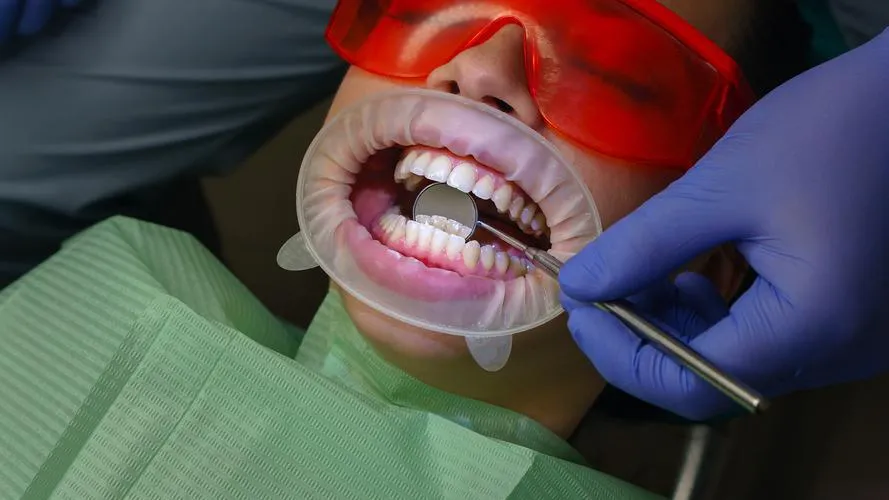
- The dentist will count the teeth, check the gums, tongue, and lips, and look for early signs of decay or problems with bite.
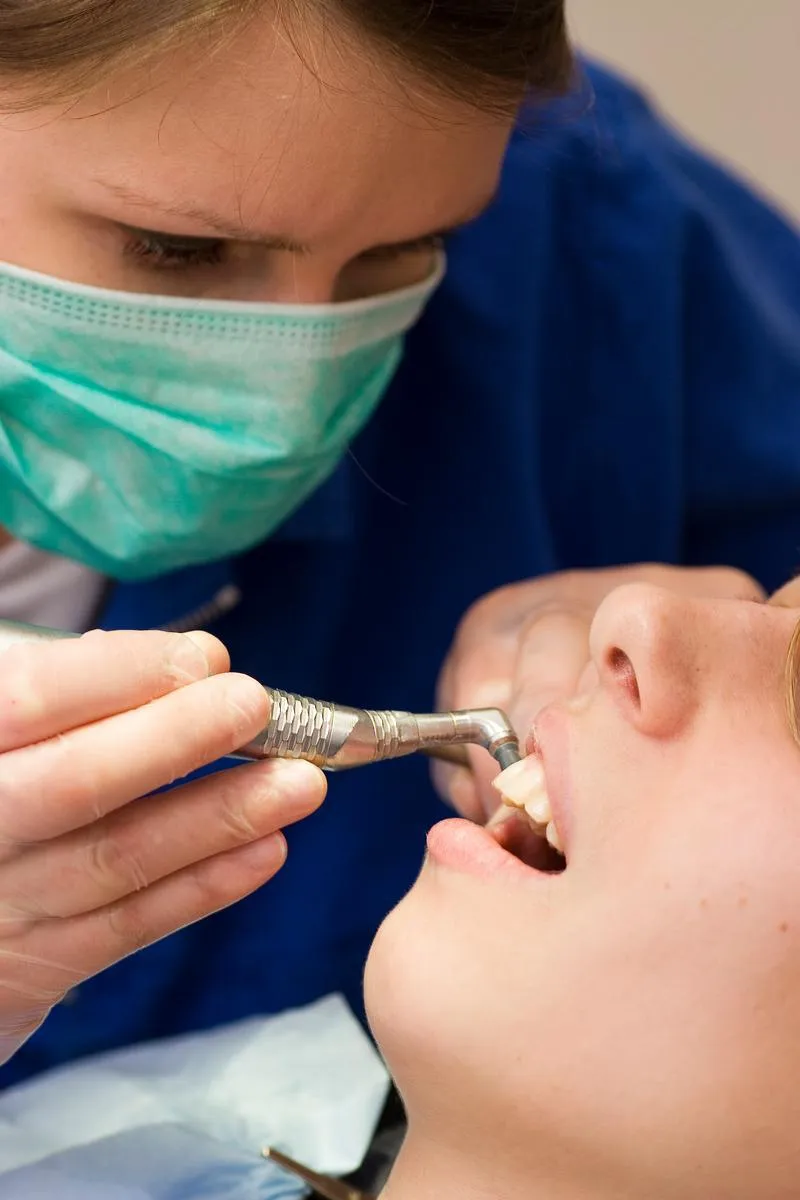
- A quick cleaning may be done to remove plaque, and fluoride varnish is often applied to strengthen the enamel.
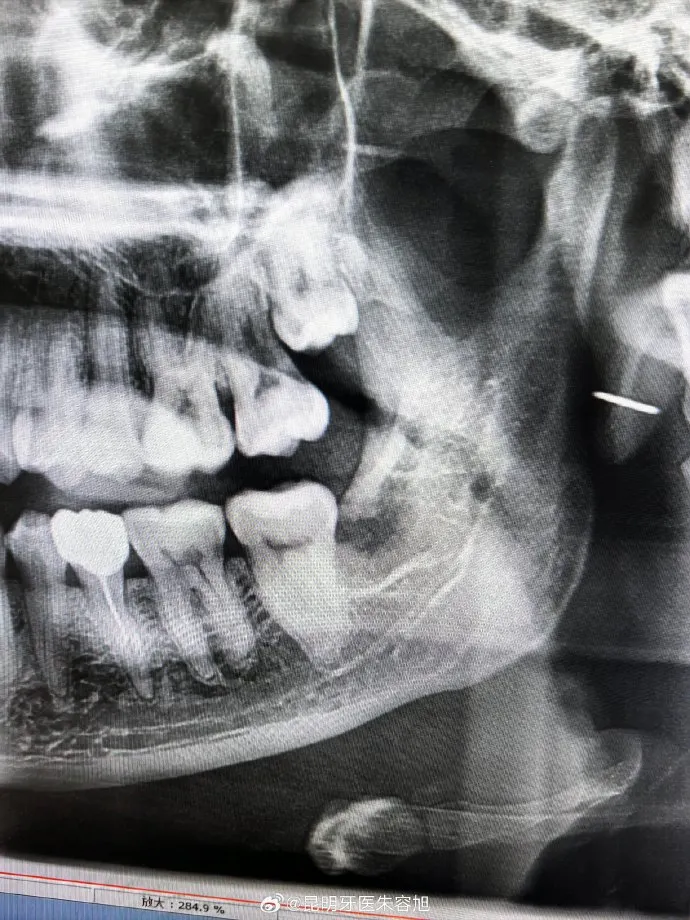
- X-rays are usually not needed at the first visit unless there’s an obvious concern.
- Expect lots of guidance on home care, diet, brushing positions, and how to handle common habits like thumb sucking.
- Most kids leave with a sticker or small prize—keep it light, fun, and sanuk.
How to prepare your child (and yourself)
- Choose a morning slot when kids are fresh and less cranky.
- Do a mini “practice” at home: count teeth with a torchlight and say “open wide” so the clinic feels familiar.
- Bring a comfort item (soft toy, blanket) and a spare T-shirt if your child drools during teething.
- Keep explanations simple. Avoid promising “no injections” or “no pain,” because it creates anxiety if the dentist needs to do a quick preventive step.
- Offer a light meal before the visit and brush at home so the exam is easier.
- Arrive a little early to settle in—no rush, just a sabai-sabai pace.
Choosing a pediatric dentist in Thailand
- Credentials: Look for Thai Board of Pediatric Dentistry certification or check the Thai Dental Council registration. Many urban clinics list the dentist’s qualifications on their website.
- Language: In Bangkok, Phuket, Chiang Mai, and tourist hubs, many dentists speak English; some clinics have staff fluent in Chinese, Japanese, or Russian as well.
- Environment: A child-friendly space with toys, cartoons, and patient staff goes a long way for first-time nerves.
- Access: Consider proximity to BTS/MRT in
Bangkok (Sukhumvit, Sathorn, Ari), parking availability, and traffic at your preferred time.
- Options: Some clinics offer nitrous oxide (laughing gas) for anxious kids; it’s not usually needed for the first visit but helpful to know for the future.
- Reviews: Check Google Maps and Facebook reviews to gauge other families’ experiences and service standards.
Costs and coverage in the Thai context
Fees vary by location and clinic. As a rough guide in private clinics in Bangkok:
- First exam and consultation: around 500–1,200 THB
- Cleaning and fluoride varnish: around 600–1,500 THB
- Fissure sealants (for older kids): around 800–1,200 THB per tooth
Public hospitals and community health centers usually offer very affordable services. Under the Universal Coverage Scheme (Gold Card), children can access basic dental care such as checkups, fluoride applications, and preventive education, and many schools run sealant programs. Social Security and private insurance may cover part of the cost—check your benefits. Payment modes are flexible: cash, QR PromptPay, and cards are commonly accepted.
Home care tips tailored for Thai families
- Brushing: Use a rice-grain smear of fluoride toothpaste as soon as the first tooth appears; switch to a pea-sized amount from about age three. Brush twice daily, especially before bed. Parents should help until at least age seven or eight.
- Flossing: Start when any two teeth touch. Many dentists prefer floss picks for small hands (with adult help).
- Drinks: Keep sweet drinks as occasional treats. Thai tea, milk tea, bubble tea, sweetened soy milk, and Yakult-style drinks are high in sugar and can sit on teeth. Offer plain water between and after meals.
- Bottles and bedtime: Avoid putting your child to bed with a bottle, especially if it contains milk or juice. Transition to an open cup from 12 months to reduce prolonged sugar exposure.
- Snacks: Sticky sweets, khanom, dried fruits, and chewy rice-based snacks can cling to grooves in teeth. Save sweets for mealtimes and rinse with water after.
- Medicines: If your child needs syrup medicine, ask if a sugar-free option is available.
- Diet: Include calcium-rich foods (milk, yogurt, tofu), eggs, and leafy greens common in Thai meals. Rinse after sour/spicy sauces to stay comfortable.
When to call the dentist urgently
- If your child falls and a tooth chips or becomes loose, contact your dentist the same day. Bring the piece if you can.
- If a baby tooth is knocked out, do not reinsert it. If a permanent tooth is knocked out in an older child, gently rinse and place it back in the socket if possible, or keep it in milk and go to a dentist immediately.
- Use the clinic’s phone or LINE contact for quick advice and to arrange a timely visit.
A confident start sets the tone
The first dental checkup is less about “fixing” and more about building trust, knowledge, and routine. With Thailand’s strong network of pediatric dentists, practical public services, and friendly clinic culture, it’s easy to make that first visit calm and positive. Keep it short, kind, and consistent. Make oral care part of daily life—just like washing hands—and let your child see that the dentist is a normal, supportive part of growing up. That sabai-sabai mindset today helps protect your child’s smile for tomorrow.