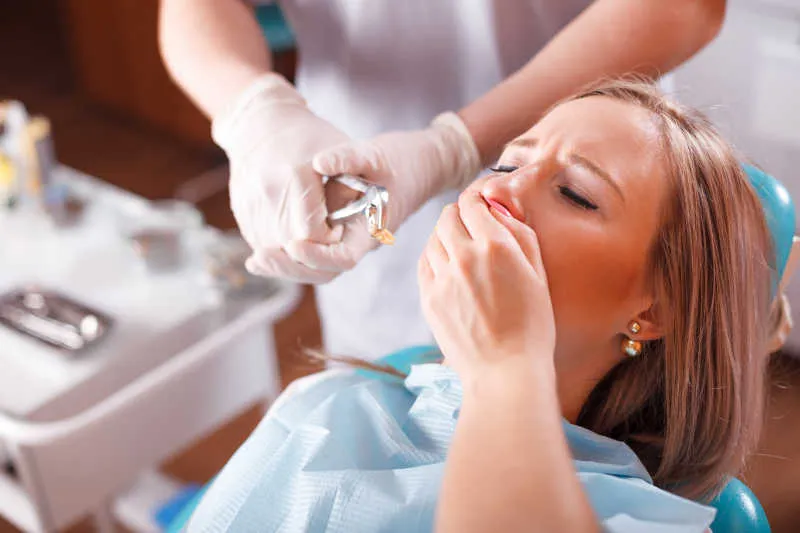
Thailand Pediatric Dentistry Care for Young Travelers Visiting Thailand
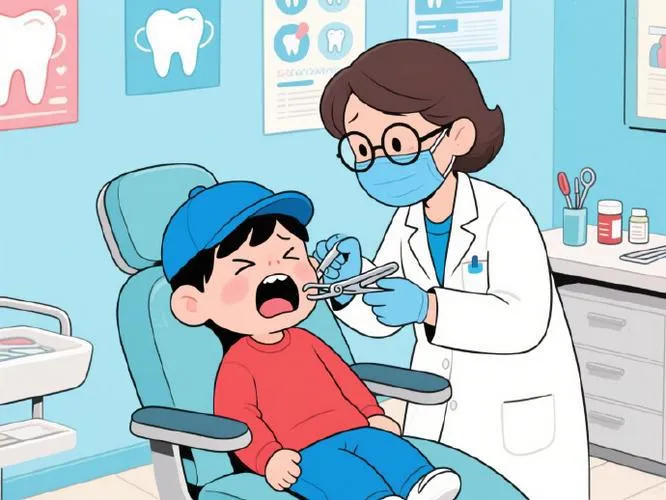
Thailand Pediatric Dentistry Care for Young Travelers Visiting Thailand
Thailand is one of Asia’s most family-friendly destinations, and that welcoming spirit extends to children’s dental care. Whether you’re in Bangkok for a city break, relaxing in Phuket, or exploring Chiang Mai, finding a gentle, well-trained pediatric dentist in Thailand is straightforward. Clinics are modern, air-con, and used to looking after international families. If you’re planning a trip with little ones, here’s how to keep those smiles healthy and happy while you enjoy your Thai holiday.
What pediatric dentistry looks like in Thailand
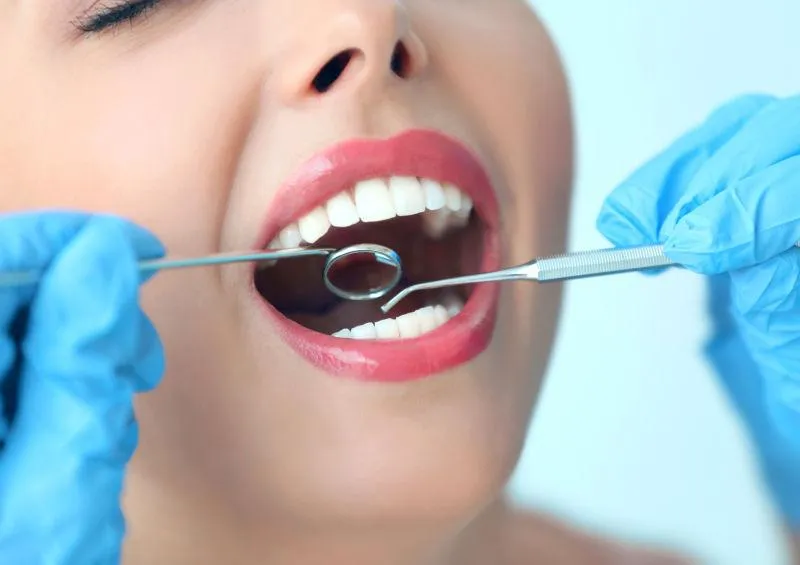
Pediatric dentists in Thailand are board-certified and trained to care for infants, children, and teens, including kids with special needs. You’ll find child-friendly spaces with play corners, cartoon ceilings, and TVs above the dental chair. Most private hospitals and many stand-alone clinics offer nitrous oxide (laughing gas) or mild sedation for anxious children, with strict safety protocols. English-speaking dentists and nurses are common in major hubs, and front-desk teams are used to helping visitors navigate forms and insurance.
Where to go: Bangkok, Phuket, Chiang Mai, and beyond
In Bangkok, you can find kids’ dentists near BTS/MRT stations, inside private hospitals, and in large shopping malls—very convenient if you’re staying along Sukhumvit or Silom. Phuket and Pattaya have reputable dental centers catering to tourists, often inside international hospitals. Chiang Mai has well-equipped clinics close to the Old City and Nimmanhaemin. If you prefer hospital-based care, look for dental centers in private hospitals with international departments; many are JCI-accredited and comfortable for walk-in visits.
Booking and what to bring
Appointments are easy to arrange. Many clinics accept booking via phone, website, or LINE. Walk-in is possible, but booking ahead avoids queuing during peak hours (after school or weekends). Bring your passport (or a photo), travel insurance details, allergy list, and any past dental records or X-rays on your phone. If you need medication, pharmacists at hospital pharmacies can explain dosage in English, and most clinics can issue a detailed tax invoice for insurance claims.
Typical costs (ballpark in Thai baht)
- Check-up and consultation: 500–1,000 THB
- Cleaning and fluoride varnish: 1,000–2,500 THB
- Sealant per tooth: 800–1,500 THB
- Tooth-colored filling: 1,500–3,000 THB (depending on size)
- Emergency visit/trauma care: varies, 2,000–5,000+ THB
- Nitrous oxide sedation add-on: commonly 2,000–4,000 THB per session
Prices vary by city and facility. Private hospitals are usually higher than stand-alone clinics, but both maintain good standards. Payment is typically by cash or card; ask for a “tax invoice” if you’ll claim with your insurer. Some clinics can help with direct billing if your travel insurance offers cashless care—just check in advance.
Common issues for young travelers (and quick tips)
- Sensitive gums after a change in diet: Thai food is delicious, but sauces and sweets can be sticky. Encourage water sips after meals and brush twice daily with a pea-sized amount of fluoride toothpaste.
- Small cavities found on holiday: Don’t panic (mai pen rai). Dentists can do quick, conservative fillings so your child can get back to having sanuk (fun).
- Orthodontic trouble: If a bracket comes loose or a wire is poking, most clinics can provide a temporary fix, trim a wire, or supply wax until you see your home orthodontist.
- Mouth ulcers from spicy food or minor bites: Pharmacies a
nd clinics have gels and rinses that are safe for kids.
Dental emergencies: what to do
- Toothache or swelling: Call a clinic for the earliest slot; many have same-day slots for children. If fever or facial swelling appears, go straight to a hospital dental center or ER.
- Chipped or broken tooth: Rinse the mouth gently, save any fragments in milk or saline, and seek care within a few hours.
- Knocked-out permanent tooth: Handle by the crown (not the root), gently rinse with clean water, and try to place it back in the socket if your child can tolerate it. If not, store it in milk or saliva and get to a dentist ideally within 30 minutes. Do not reinsert a baby tooth.
- For any serious injury, call 1669 for medical emergencies or head to the nearest hospital.
Hygiene and safety standards
Thai clinics follow strict infection control: sterilized instruments, single-use items, and protective barriers. You’ll see the dentist’s license displayed; practitioners are regulated by the Thai Dental Council. In larger centers, pediatric dental teams work alongside anesthesiologists for sedation and special procedures when needed.
Healthy habits while traveling
- Water: Most families use bottled water for drinking and brushing. You can buy it anywhere, from hotel lobbies to 7-Eleven on every soi. In big cities, tap water is treated but tastes different; bottled is the easy option for kids.
- Snacks: Thailand is snack heaven—fresh fruit, sticky rice, mango, roti, and sweet drinks. Keep treats to mealtimes and offer plain water in between to protect enamel.
- Brushing routine: Pack a travel kit with toothbrush, fluoride toothpaste, floss, and a small cup. Set a simple “morning and night” reminder on your phone to keep the routine, even on busy days.
- Sun and pool time: Remind kids not to run on slippery tiles to avoid dental trauma from falls. For water festivals like Songkran, use a soft mouthguard if your child wears braces and will be in crowded, playful areas.
Making visits kid-friendly in Thailand
Thai healthcare staff are famously gentle with children. Expect a warm “Sawasdee ka/krub,” a friendly wai, and a calm manner that helps kids relax. Many clinics allow parents in the room and use tell-show-do techniques, stickers, and small rewards. If your child has sensory needs or anxiety, message the clinic in advance; they’ll often schedule quieter times and dim the lights to make the visit smoother.
Insurance and documentation
Check your travel insurance for outpatient dental coverage; some policies cover accidental injury only, while others include sudden pain relief. Keep receipts, treatment notes, and the tax invoice. If your child takes regular medication, carry the prescription and generic names. For longer stays, some families opt for local expat-friendly plans; clinic staff can point you to insurers with cashless networks.
A quick pre-trip checklist
- Book a pre-travel check-up at home if your child is due.
- Save contact details for a pediatric dentist near your hotel in Bangkok, Phuket, or Chiang Mai.
- Pack your dental kit and any orthodontic wax or retainers.
- Note down your insurance hotline and policy number.
With a little planning, accessing pediatric dentistry in Thailand is smooth and reassuring. High-quality care, convenient locations, and a calm, caring approach mean young travelers can keep smiling from the Grand Palace to the sandy shores. And if anything pops up, help is never far—so you can say “mai pen rai” and get back to making holiday memories.