Thailand Pediatric Dentistry Services Supporting Long Term Oral Health
Thailand Pediatric Dentistry Services Supporting Long Term Oral Health
Raising kids in Thailand comes with lots of smiles—Songkran splashes, school performances, weekend markets. Keeping those smiles healthy starts early, and pediatric dentistry in Thailand is designed to support long-term oral health from baby teeth to teenage years. Whether you live in Bangkok, Chiang Mai, Phuket, or Khon Kaen, child-friendly dental care is easy to access and tailored to local lifestyles, diets, and school schedules.
Why early dental care matters in Thailand
In our tropical climate, kids often enjoy sweet drinks, iced milk tea, sticky rice treats, and after-school snacks. These can increase the risk of early childhood caries. Regular check-ups with a pediatric dentist help you catch problems before they hurt, save costs over time, and build positive habits. Thai clinics are known for being gentle and sanuk—fun—so children see the dentist as a friendly place, not something to fear.
What a pediatric dentist actually does
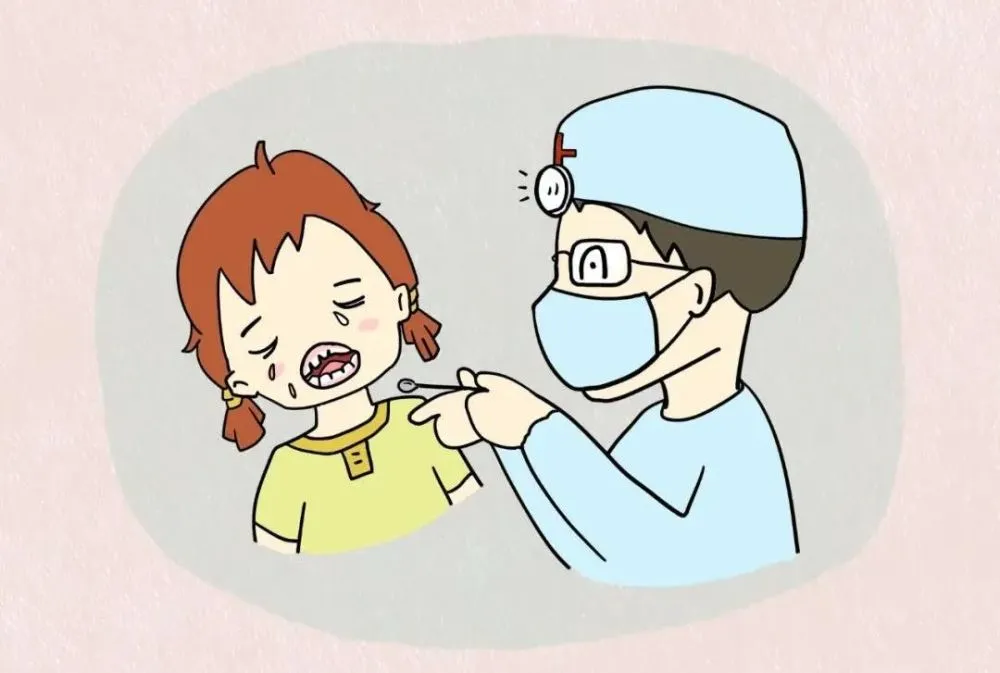
Pediatric dentistry focuses on prevention, growth and development, and minimally invasive treatment. The approach is child-centered: clinics use bright colors, play corners, TV cartoons on the ceiling, and child-sized equipment. Dentists are trained to speak in simple language, show tools before use, and work with parents so everyone feels comfortable.
Key services you can expect
- First dental visit: Aim for the first visit by the first tooth or by age one. This quick check covers tooth eruption, gum health, feeding habits, and brushing technique. It sets the baseline and lets your child get used to the clinic.
- Regular check-ups and cleanings: Most children benefit from a 6‑month recall. High‑risk kids (frequent snacking, visible plaque, or previous cavities) may be seen every 3–4 months for closer monitoring.
- Caries risk assessment: Your dentist reviews diet, saliva flow, fluoride exposure, and oral hygiene to build a personalized prevention plan.
- Fluoride treatments: Professional fluoride varnish or gel strengthens enamel and helps reverse early white spot lesions. Many clinics also recommend the right toothpaste strength (usually 1,000–1,450 ppm fluoride; a smear for under-3s and a pea-sized amount for older kids).
- Fissure sealants: Clear or white coatings on the grooves of new permanent molars reduce decay risk. Quick, painless, and effective.
- Silver diamine fluoride (SDF): For very young or anxious kids, SDF can stop early cavities without drilling. It turns the cavity area black, but it’s safe and great for arresting decay until a more definitive fix is possible.
- Tooth-colored fillings and crowns: If treatment is needed, aesthetic resin fillings blend with natural teeth. For larger decay on baby molars, stainless steel crowns are durable and protect the tooth until it falls out naturally.
- Pulp therapy: Pulpotomy or pulpectomy can relieve pain and save a badly decayed baby tooth, maintaining spacing for permanent teeth.
- Space maintenance: If a baby tooth is lost too early, a space maintainer helps prevent crowding.
- Interceptive orthodontics: Early assessment around age 7 can guide jaw growth, correct crossbites, or break habits like thumb‑sucking. Simple appliances or myofunctional exercises may avoid complex braces later.
- Tongue‑tie and lip‑tie assessment: If breastfeeding, speech, or oral hygiene is affected, a pediatric dentist may work with specialists to release the tie safely.
- Behaviour management and gentle sedation: Tell‑Show‑Do is standard. For worried kids, nitrous oxide (laughing gas) helps them relax. Complex cases or special needs may be trea
ted under general anesthesia in a hospital setting with proper monitoring.
- Emergency care: Falls at the playground or during sports like football or Muay Thai happen. If a permanent tooth is knocked out, hold it by the crown, gently rinse, reinsert if possible, or keep it in milk and head to the dentist within 30 minutes. For baby teeth, do not reinsert—see the dentist to check for soft tissue injury.
Home habits that support long-term health
- Brush twice a day with fluoridated toothpaste; help or supervise until at least age 8 to make sure all surfaces are clean.
- Start flossing once teeth touch. Floss picks can make it easier for little hands.
- Keep water as the main drink. Save juices, sweet milk, and bubble tea for special occasions. If your child has a sweet drink, have it with meals instead of constant sipping.
- Offer tooth-friendly snacks like cheese, yogurt, nuts, eggs, and crunchy veg. Enjoy Thai fruit in moderation—mango, longan, and durian are delicious but high in sugar.
- Avoid sticky sweets that cling to teeth, and be mindful of sauces with hidden sugar.
- Nighttime is critical: no bottles of milk or sweet drinks in bed. If needed, stick to plain water.
Choosing a pediatric dentist in Thailand
- Credentials and experience: Look for a board-certified pediatric dentist with specific training in children’s care. Many have local and international qualifications and experience in hospital and clinic settings.
- Child-friendly environment: A calm, playful clinic reduces anxiety. Ask if parents can accompany children, especially for first visits.
- Transparent communication: Your dentist should explain options, costs, and timelines clearly in English or Thai. Good clinics provide written plans and receipts.
- Convenience: Consider proximity to BTS/MRT, parking, weekend or after-school hours, and whether the clinic accepts booking via phone or Line.
- Special needs support: If your child has medical or developmental needs, ask about hospital-based care and multi‑disciplinary coordination.
- Payments and coverage: Government hospitals, dental schools, and community hospitals offer affordable services. Private clinics may accept international insurance or provide documents for claims. Always check fees in advance.
Support from schools and community
Many Thai schools coordinate basic dental screening, fluoride programs, and oral health education. Community hospitals often run outreach on brushing technique and diet. If your child receives a note from school about a cavity risk, it’s best to follow up at a clinic promptly.
Planning your child’s dental calendar
School terms get busy. Booking check-ups during term breaks or before festivals helps you keep consistency. If your child is starting braces or a habit‑breaking program, set reminders in your phone or Line to stick to follow-up appointments. Regular, short visits are easier for children and more effective for prevention.
The long-term payoff
Children who start dental visits early tend to have fewer cavities, better alignment, and less dental anxiety as teenagers. Families save on large treatments because small issues are handled early. Most importantly, kids grow up confident to smile in photos, at temple fairs, and on graduation day.
Thailand’s pediatric dentistry services combine strong clinical standards with a friendly, family-oriented approach. With the right dentist, smart daily habits, and a simple recall schedule, your child’s teeth can stay strong and healthy from the first baby tooth to the last exam at secondary school—and well beyond.