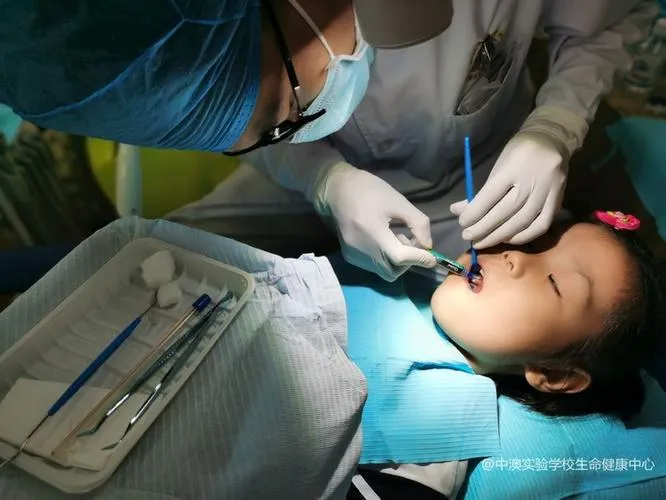
Thailand Pediatric Dentistry Clinics Offering Safe Tooth Fillings for Children
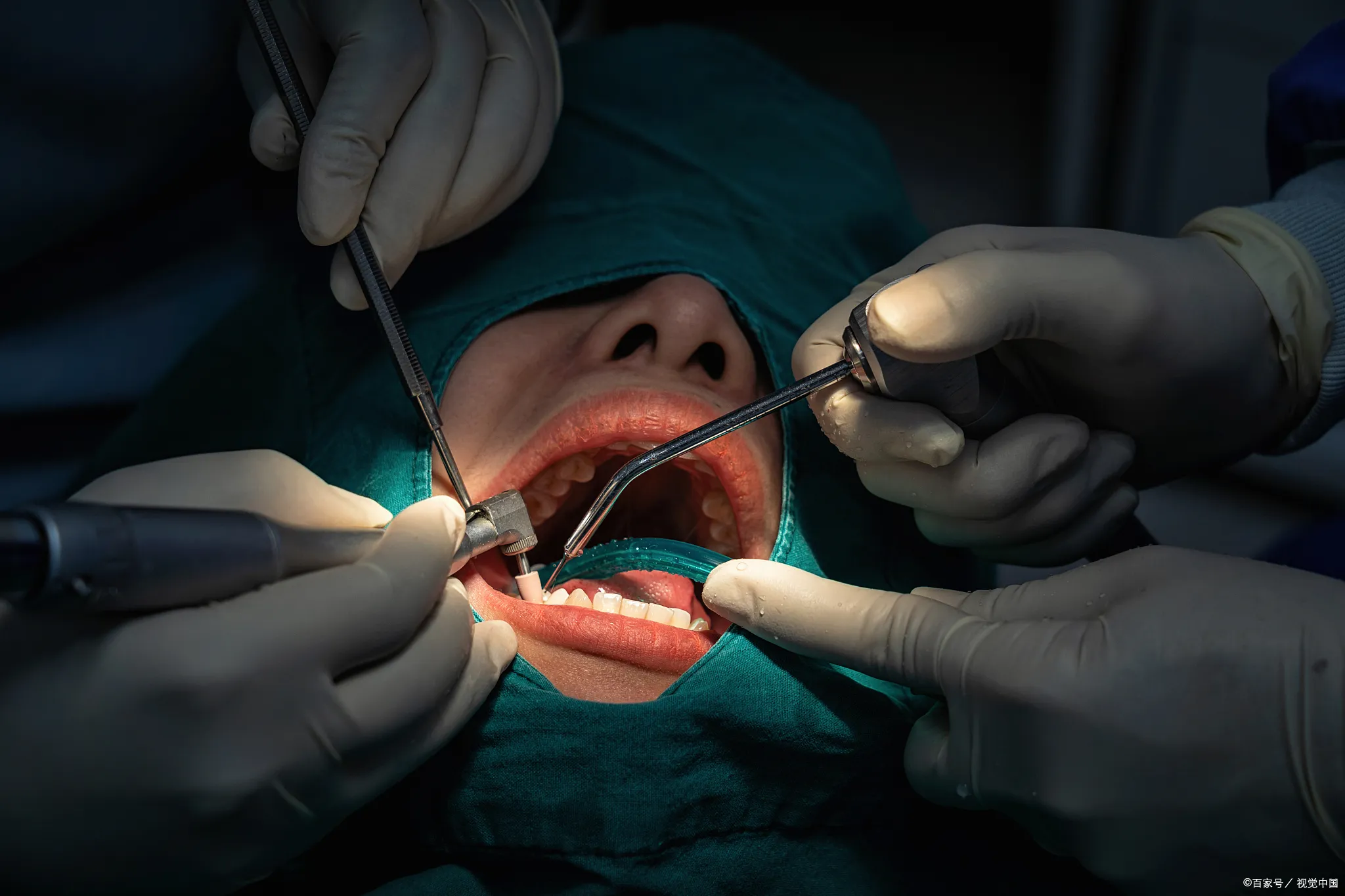
Thailand Pediatric Dentistry Clinics Offering Safe Tooth Fillings for Children
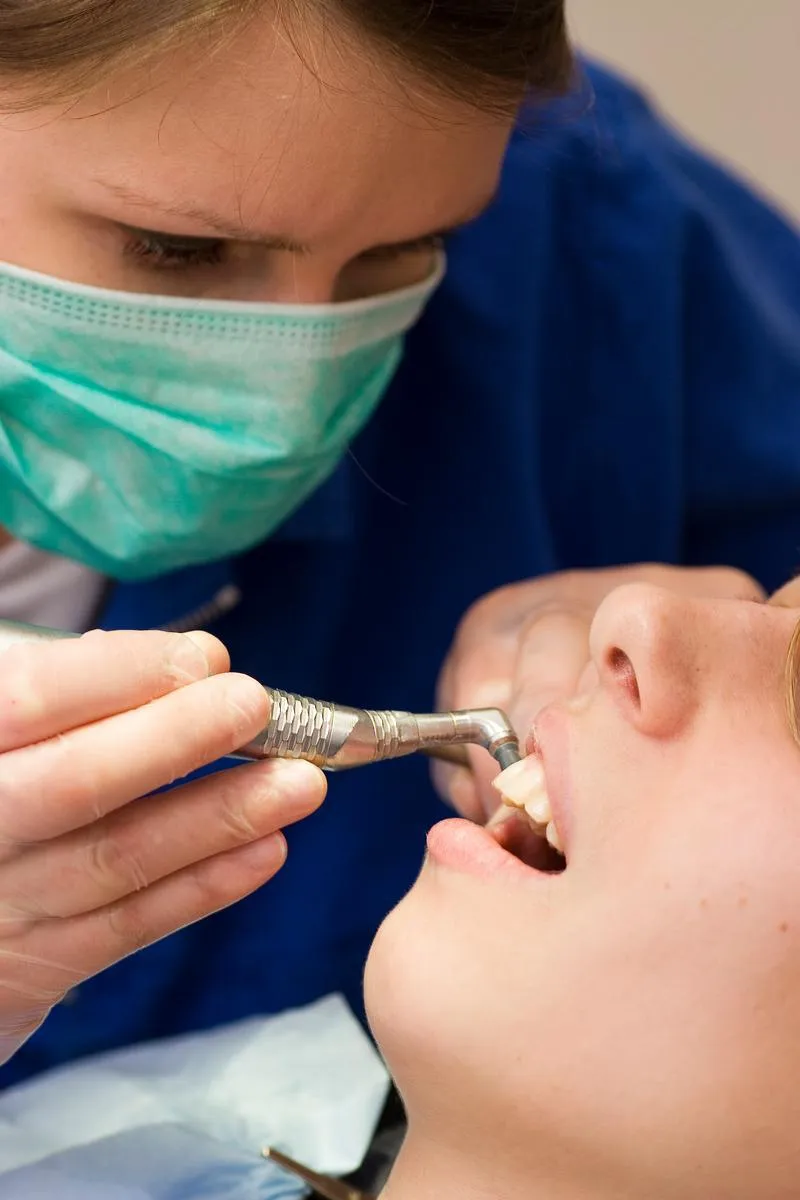
If your little one has a cavity, don’t stress—Thailand’s pediatric dentistry clinics are well set up to provide safe, gentle tooth fillings for children. Across Bangkok, Chiang Mai, Phuket, and other cities, you’ll find child-friendly dentists who focus on comfort, clear communication, and high standards of care. Whether you’re a Thai family, an expat, or visiting relatives on holiday, here’s what to know about getting children’s tooth fillings in Thailand.
Why baby teeth matter
Baby teeth are more than placeholders. They help children chew comfortably, speak clearly, and keep space for the adult teeth. When a cavity is treated early with a safe filling, you avoid pain, infection, and bigger treatments later. Thai pediatric dentists (paedodontists) are trained to care for children from toddlers to teens, using techniques that build trust and reduce anxiety.
What makes Thai pediatric clinics safe for kids
- Specialist training: Pediatric dentists in Thailand complete additional training focused on child behavior management, growth and development, and child-specific treatments.
- Infection control: Clinics follow strict sterilisation protocols, using disposable barriers, autoclaved instruments, and routine surface disinfection. Don’t hesitate to ask how they sterilise their tools—good clinics are proud to explain.
- Modern equipment: Digital X-rays (with low radiation), rubber dams to keep the tooth dry, and high-quality materials are standard in many Thai clinics.
- Clear communication: Many clinics offer English-speaking dentists and assistants. Staff will usually “tell–show–do,” explaining each step in child-friendly language.
Safe filling materials commonly used
- Composite resin: Tooth-coloured material ideal for front and back teeth. It blends in nicely and is often the top choice for kids.
- Glass ionomer cement (GIC): Releases fluoride, bonds well to baby teeth, and is gentle on the tooth. Great for small to moderate cavities or when moisture control is challenging.
- Stainless steel crowns: For very large cavities in baby molars, a preformed crown may be recommended. It’s a durable, long-lasting option and can prevent repeated repairs.
Amalgam (silver fillings) is now less common for children in Thailand, with many clinics preferring composite or GIC for aesthetics and modern standards.
What to expect during a child’s filling visit
1) Check-up and X-ray: The dentist examines the tooth and may take a small digital X-ray to see the cavity’s depth. This helps plan a precise treatment.
2) Comfort first: Numbing gel is placed before a small injection so your child stays comfortable. Many kids say they only feel pressure, not pain.
3) Isolation with a rubber dam: A soft sheet keeps saliva away and protects the cheeks and tongue. It helps the filling last longer.
4) Cleaning the cavity: The dentist removes decay gently and explains the sounds and sensations so your child isn’t surprised.
5) Placing the filling: Composite or GIC is placed in layers and light-cured. For crowns, the tooth is shaped and the crown is fitted in one visit.
6) Bite check and polishing: The dentist makes sure the bite feels “just right” and smooths the filling.
7) After-care advice: Your child can eat once the numbness wears off. The clinic will share easy tips to keep the tooth healthy.
Pain and anxiety management
Thai pediatric clinics are known for calm, friendly care. Beyond numbing and the tell–show–do approach, some clinics offer:
- Nitrous oxide (laughing gas): A safe, mild sedation that helps anxious children relax. It
wears off quickly with oxygen.
- Oral sedation or general anesthesia: Reserved for very young, very nervous children, or when multiple treatments are needed. These options are typically done in hospital settings with an anaesthesiologist and strict monitoring.
Always ask the clinic to explain options, safety protocols, and whether sedation is truly necessary for your child.
How much does a child’s filling cost in Thailand?
Fees vary by city, clinic, material, and whether sedation is used, but general ranges are:
- Small to moderate fillings (GIC or composite): roughly 1,000–3,000 THB per tooth
- Large fillings or multi-surface composites: roughly 2,500–4,500 THB per tooth
- Stainless steel crowns for baby molars: roughly 3,000–6,000 THB per tooth
- Nitrous oxide sedation (if needed): often an additional 1,500–3,000 THB per session
Hospital-based care and general anesthesia, when indicated, will be higher and quoted as a package. Thai citizens may access basic fillings at government hospitals under public schemes, often with a queue system. Private clinics are popular with families who prefer shorter waiting times and weekend hours. Many clinics accept cash, QR payment, and major cards; some work with international insurance—check in advance.
Choosing the right pediatric dental clinic
- Check credentials: Look for a board-certified pediatric dentist and a valid Dental Council of Thailand licence.
- Ask about materials and techniques: Composite vs GIC, use of rubber dam, digital X-rays, and fluoride application.
- Discuss behavior management: How they keep kids calm, whether parents can accompany the child, and what options are available if a child is very anxious.
- Review sterilisation and emergency protocols: Clinics should be transparent about their standards.
- Consider convenience: Locations near BTS/MRT in Bangkok, parking availability, weekend or evening slots, and communication via phone, Facebook, or LINE.
- Read reviews and ask friends, your child’s school nurse, or parenting groups for recommendations.
Popular locations for families
- Bangkok: Many pediatric-focused clinics and hospital dental centers in Sukhumvit, Sathorn, Ari, and Bangna, with English-speaking staff and play corners.
- Chiang Mai: Family-friendly clinics around Nimman and the Old City, often with a relaxed vibe and good access.
- Phuket and Pattaya: Useful for expat families and travellers, with clinics familiar with international patients.
Keeping fillings healthy and preventing new cavities
- Brush twice a day with a pea-sized amount of fluoride toothpaste once your child can spit. For toddlers, use a smear and supervise brushing.
- Floss between teeth that touch, especially back molars.
- Limit frequent snacking and sugary drinks. Encourage water (Thailand’s tap water is often not fluoridated; most families use bottled or filtered water).
- Consider fissure sealants on molars to protect deep grooves.
- Schedule check-ups every 6 months or as advised by your dentist.
Friendly next steps for parents
If you notice sensitivity, food stuck between teeth, or a visible dark spot, book an appointment sooner rather than later. Ask for a pediatric dentist, request a clear treatment plan with fees, and share any worries your child may have—Thai clinics are used to helping kids feel safe, happy, and brave in the dental chair. Whether you choose a government hospital clinic or a private pediatric practice, you’ll find that Thailand offers safe, modern, and caring tooth fillings for children, with a warm smile to welcome your family.