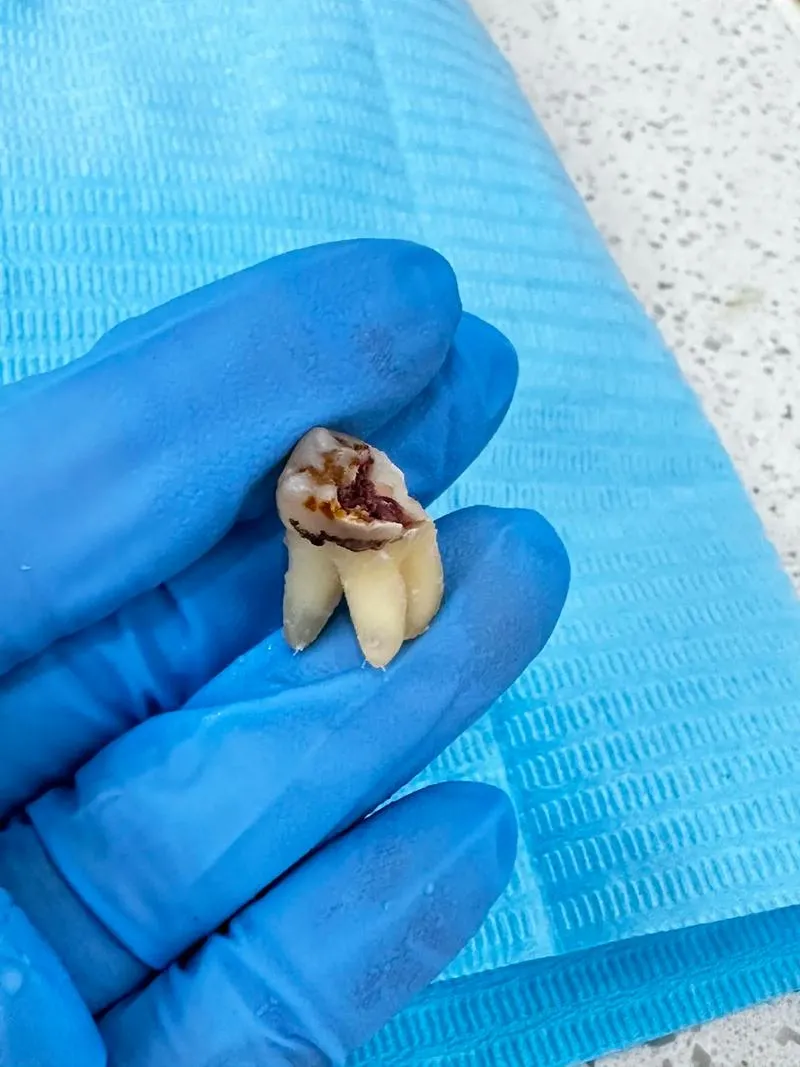
Thailand Pediatric Dentistry Clinics for Childrens Emergency Dental Needs
Thailand Pediatric Dentistry Clinics for Childrens Emergency Dental Needs
When a child wakes up with a throbbing toothache, takes a tumble at school, or chips a tooth on the weekend, parents in Thailand need quick, reliable care. Thailand’s pediatric dentistry clinics are well set up to handle children’s emergency dental needs, from Bangkok to Chiang Mai, Phuket, and beyond. Knowing where to go, what to do before you arrive, and what to expect at the clinic can make a stressful moment much easier for both you and your child.
What counts as a dental emergency for children
Not every tooth twinge needs urgent care, but some situations do. Seek an emergency pediatric dentist in Thailand as soon as possible if your child has:
- Severe toothache that disturbs sleep or daily activities
- Facial swelling, fever, or swelling under the jaw
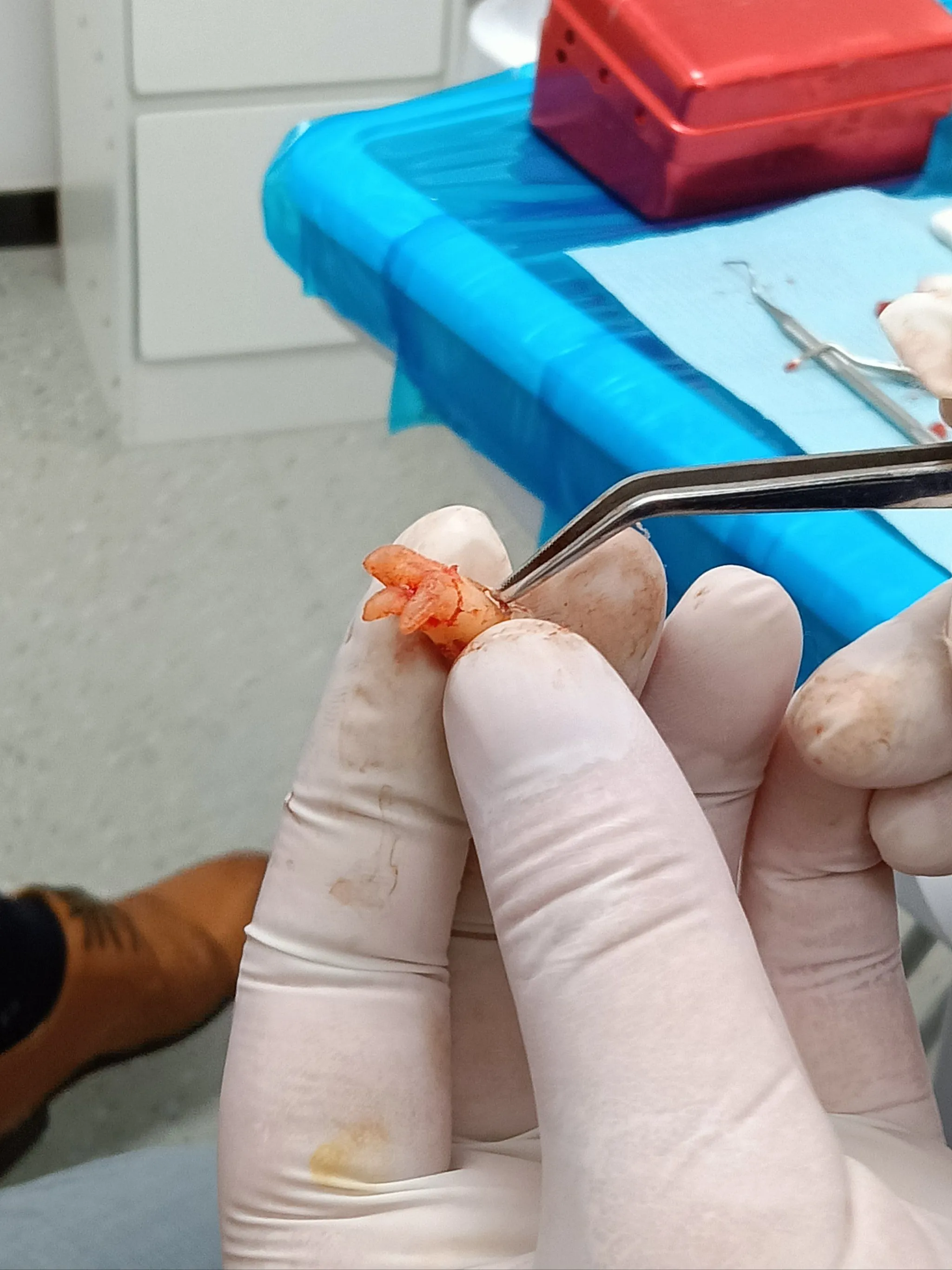
- A knocked-out or displaced tooth after a fall or sports injury
- Cracked or broken tooth with sensitivity or bleeding
- Soft tissue injuries to the lips, cheeks, or tongue that won’t stop bleeding
- Pain after a recent filling, crown, or extraction that does not settle
Immediate steps before you reach the clinic
- Knocked-out permanent tooth: Gently pick it up by the crown (the white part), not the root. If dirty, rinse briefly with clean water or saline. If your child can cooperate, try to place it back in the socket and ask them to bite on gauze. If not possible, store it in cold milk or saline and get to a pediatric dentist right away. Time is important.
- Knocked-out baby tooth: Do not reinsert it. Go to a dentist to check the area and prevent damage to the developing permanent tooth.
- Bleeding: Apply gentle pressure with clean gauze or a cloth for 10–15 minutes.
- Swelling and pain: Use a cold compress on the outside of the cheek. Paracetamol or ibuprofen can help; avoid aspirin for children. If your child may need sedation, avoid giving food just before arriving.
- If there is facial trauma, difficulty breathing, heavy bleeding, or suspected jaw fracture, go to the nearest hospital emergency room or call 1669 for EMS.
Where to go in Thailand for children’s emergency dental care
- Pediatric dentistry clinics: Many private clinics in Bangkok, Phuket, Pattaya, and Chiang Mai have pediatric dentists on site, with child-friendly rooms and equipment. Some offer after-hours support or will arrange an on-call dentist. Call ahead or send a message via LINE to confirm availability.
- Hospital dental centers: Large private hospitals in Bangkok and major cities have dental departments and 24-hour ERs. Outside regular opening hours, the emergency department can page an on-call dentist, especially for trauma and severe pain.
- University dental hospitals: Dental schools such as at Chulalongkorn University, Mahidol University, and Chiang Mai University provide pediatric services, often at more affordable fees. Emergency slots may be limited; check opening days and take a queue number early.
- Government hospitals: Provincial and district hospitals provide emergency care for swelling, infections, and trauma. Expect a queue during peak times, but urgent cases are prioritised.
Tip: Search “pediatric dentist near me” on Google Maps and check recent reviews for emergency experience, English-language support, and directions via BTS/MRT or parking. Many clinics in Thailand accept walk-ins for emergencies, but calling first helps reduce waiting time.
What to expect at a pediatric dental emergency visit
- Triage and history: The dentist will assess pain, swelling, and injury details, and review medical conditions, allergies, and any medicine taken.
-
X-rays and diagnosis: Small, child-safe radiographs help identify infections, fractures, or deep decay.
- Immediate treatment: This may include pain control, cleaning and dressing the tooth, pulp therapy for baby teeth, bonding for fractures, extraction if needed, or splinting a displaced tooth. For infections, antibiotics may be prescribed when appropriate.
- Comfort and behaviour guidance: Thai pediatric dentists are gentle and experienced at helping nervous kids. Some clinics offer nitrous oxide (laughing gas). For more complex cases, treatment under sedation or general anaesthesia is arranged in a hospital setting with an anaesthesiologist.
- Follow-up plan: You will receive aftercare instructions and a date to return for definitive treatment once pain or swelling settles.
Costs and payment in Thailand
Fees vary by city, clinic type, and time of day. As a general guide:
- Consultation and urgent dressing at private clinics may start from a few hundred to a few thousand baht.
- Hospital ER visits typically include an emergency fee plus dental treatment charges.
- University hospitals are often more affordable but may have longer waiting times.
Most clinics accept cash and card; some accept transfers and QR payments. Thai social security or universal coverage usually applies to public hospitals, while private clinics and hospitals are typically self-pay or covered by private or travel insurance. If you plan to claim insurance, bring your passport or Thai ID and ask for a detailed receipt and diagnosis.
Language and communication
In Bangkok and major tourist areas, many pediatric dentists and nurses speak English. In Phuket, Samui, and Pattaya, Russian and Chinese speakers may be available. If language is a concern, message the clinic on LINE or Facebook Page before you go to confirm. Bring any past dental records, X-rays, and your child’s medicine list.
Prevention and smart habits to reduce emergencies
- Sports protection: For football, basketball, or Muay Thai, ask the dentist for a custom mouthguard. It’s more secure than a boil-and-bite guard and helps prevent chipped or knocked-out teeth.
- Safe rides: Helmets for bikes and motorbikes are a must to reduce facial injuries.
- Routine check-ups: Visit a pediatric dentist every six months. Fluoride varnish, sealants, and early treatment of small cavities keep emergency visits to a minimum.
- Diet and daily care: Limit sugary snacks and sweet drinks, especially between meals. Encourage brushing with fluoride toothpaste twice daily and floss once a day.
- Holiday readiness: During public holidays like Songkran or long weekends, confirm opening hours in advance and save your preferred clinic’s contact on your phone. Many clinics post holiday hours on LINE and Facebook.
Practical tips for parents in Thailand
- Save two contacts: one nearby pediatric dentistry clinic and one hospital ER with on-call dental support.
- Keep a small dental first-aid kit at home and in the car: gauze, saline, a small clean container, and paracetamol appropriate for your child’s weight.
- Use Maps for real-time traffic and MRT/BTS routes in Bangkok; heavy rain can slow travel, so plan extra time.
- Arrive early, bring snacks and a favourite toy or tablet to keep your child calm while waiting.
Children’s dental emergencies can happen anytime, but Thailand’s pediatric dentistry clinics are ready to help. With quick action at home, clear communication with the clinic, and the right follow-up, your child can be comfortable again quickly—and you can have peace of mind.