Thailand Pediatric Dentistry Clinics Offering Smile Protection for Children
Thailand Pediatric Dentistry Clinics Offering Smile Protection for Children
If you’re raising kids in Thailand, you already know how important a bright, healthy smile is. From the first baby tooth to the teenage years, pediatric dentistry clinics across Thailand are stepping up with gentle care, kid-friendly spaces, and prevention-focused services designed to protect your child’s smile. Whether you’re in Bangkok near the BTS, in Chiang Mai, Phuket, or upcountry, you’ll find clinics where the atmosphere is jai yen, the approach is playful, and the treatments are tailored to little mouths.
Why pediatric dentistry matters in Thailand
Thailand is a foodie paradise, and kids love their khanom, bubble tea, and sweet drinks. Combine that with our warm climate and busy school schedules, and you’ve got a recipe for early childhood cavities if daily habits aren’t on track. Pediatric dentists—specialists trained just for children—understand how primary (baby) teeth grow, how to manage behavior gently, and how to prevent problems before they start. The goal is simple: keep visits sanuk so kids enjoy coming back, and keep teeth strong from the start.
The first visit should happen by your child’s first birthday or within six months of the first tooth erupting. Early visits let the dentist establish a baseline, guide you on brushing and feeding routines, and catch small issues before they turn painful.
What services to expect in Thai pediatric clinics
Most pediatric dentistry clinics in Thailand offer a full menu of smile protection services focused on prevention and comfort:
- Gentle check-ups and cleanings: Short, positive visits with plaque removal, polishing, and tips that match Thai family routines.
- Fluoride varnish: A quick, paint-on fluoride that strengthens enamel—great for our sugary snack culture.
- Fissure sealants: Protective coatings on the chewing surfaces of molars to block out decay, especially helpful when permanent teeth erupt around ages 6–12.
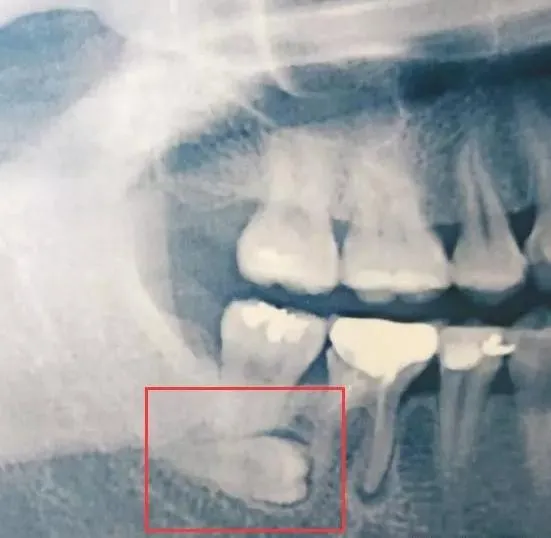
- Low-radiation digital X-rays: Used only when needed to check between teeth or monitor jaw development.
- Habit and feeding counselling: Support for weaning off night-time bottles, reducing sweet drinks like Thai milk tea, and addressing thumb-sucking.
- Tooth-colored fillings and crowns for kids: Natural-looking restorations placed with child-friendly techniques; many clinics use rubber dams to keep the area dry and comfortable.
- Orthodontic screening: Early checks for crowding, crossbites, or habits that may affect jaw growth, with interceptive treatments if needed.
- Emergency care: Fast help for toothaches, chipped teeth, or sports injuries from playground tumbles.
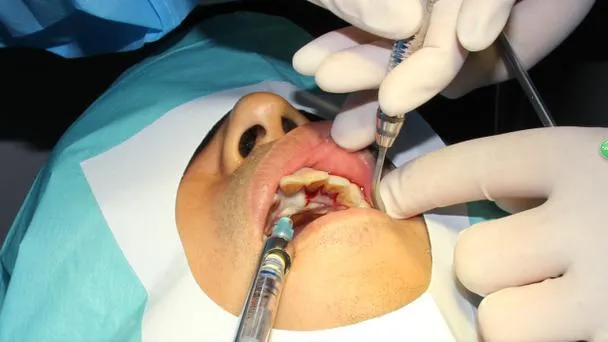
- Behavior management: Tell–show–do, distraction, and rewards; for anxious children, many clinics offer nitrous oxide (laughing gas), and for complex cases, treatment in hospital under general anesthesia by a pediatric dental team.
A clinic experience that feels Thai and kid-friendly
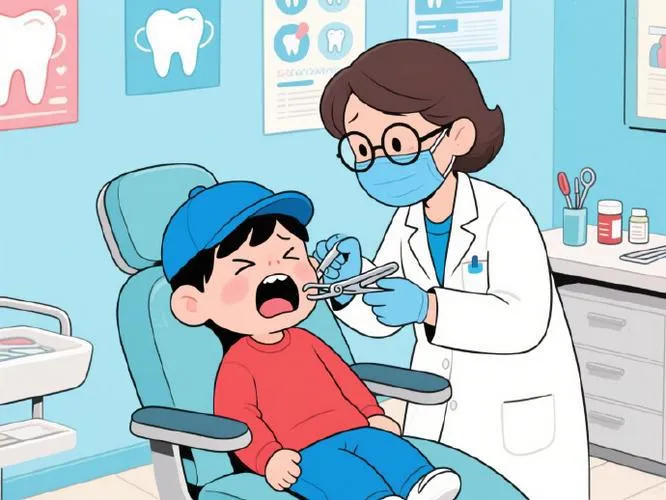
You’ll notice many children’s dental clinics create a warm vibe from the moment you step in: soft “Sawadee ka/krub,” a quick wai, bright play corners, and cartoon-themed rooms. Staff usually speak both Thai and English, and parents are often welcome in the room, especially for young children. The tone is reassuring, the pace is calm, and the focus is on building trust—one sticker or small reward at a time.
How to choose a pediatric dentistry clinic in Thailand
Finding the right clinic for your khun luk comes down to a few practical points:
- Qualifications: Look for a dentist who is a pediatric specialist (often with training from Thai universities
and certification by relevant boards). Many clinics clearly list credentials at reception or on their website.
- Location and access: Near BTS/MRT or with parking is a plus, especially for school-day appointments.
- Communication: Clear explanations in Thai or English, printed treatment plans, and take-home care instructions.
- Safety and standards: Sterilization protocols, use of rubber dams for fillings, and child-sized equipment are good signs.
- Transparent fees: Ask for a fee range before treatment and check if your insurance or direct billing is accepted.
- Opening hours: Many clinics offer after-school or weekend slots; confirm whether they accept walk-ins for emergencies.
- Reviews and word of mouth: Recommendations from other parents or your school’s nurse can be very helpful.
Typical fee ranges (to help you plan)
Prices vary by city and clinic, but these ballpark figures can guide you:
- Check-up and cleaning: around 500–1,500 THB
- Fluoride varnish: around 300–800 THB
- Sealants: around 800–1,500 THB per tooth
- Fillings for baby teeth: around 1,200–2,500 THB per tooth
- Crowns for baby molars: higher than fillings, ask for a quote
- Nitrous oxide sedation: additional fee per session
- Hospital-based treatment: costs depend on facility and case complexity
Smile protection at home, Thai-style
Daily habits make the biggest difference. These simple routines fit well with Thai family life:
- Brush twice a day with fluoride toothpaste. For under-3s, use a rice-grain smear; from 3–6 years, a pea-sized amount. Parents should help until about age 7–8.
- Make water the default drink. Keep sweet drinks (Thai milk tea, nam manao soda, fruit juice) as occasional and with meals. Rinse with water after sweets.
- No bedtime bottles with milk or sweetened drinks. If your child needs comfort, switch to water.
- Balanced snacks: Fresh fruit, yogurt, cheese, sticky rice with low-sugar options beat sticky sweets that cling to teeth.
- School routine: Pack a small water bottle and remind kids to drink after lunch to wash away acids.
- Mouthguards for sports: For muay thai, football, or skateboarding, a custom mouthguard protects teeth.
When to visit the pediatric dentist
- First tooth or first birthday: Start early and keep appointments every six months.
- Toothache or sensitivity: Don’t wait; early care is easier and more comfortable.
- Trauma: If a permanent tooth is knocked out, gently rinse (don’t scrub), place it back in the socket if possible, or store it in milk or saline, and head to the clinic within 60 minutes. For baby teeth, do not reinsert—see the dentist promptly.
- White or brown spots on teeth: Early signs of demineralization can often be reversed if caught in time.
What sets Thai pediatric clinics apart
Beyond solid clinical standards, clinics here place a big emphasis on relationship-building. Staff understand Thai family dynamics, encourage parents to be part of the process, and make visits feel like a small adventure rather than a chore. With a mix of modern technology and a jai yen approach, kids learn that the dental chair is nothing to fear.
The big picture
Thailand’s pediatric dentistry clinics are all about prevention, early intervention, and a friendly touch. With regular check-ups, fluoride and sealants, smart snack habits, and a supportive dental team, your child can grow up cavity-free and confident. Book that first “happy visit,” keep the routine consistent, and enjoy watching your child’s smile stay bright—today, tomorrow, and for years to come.