Thailand Pediatric Dentistry Treatment for Early Childhood Tooth Care
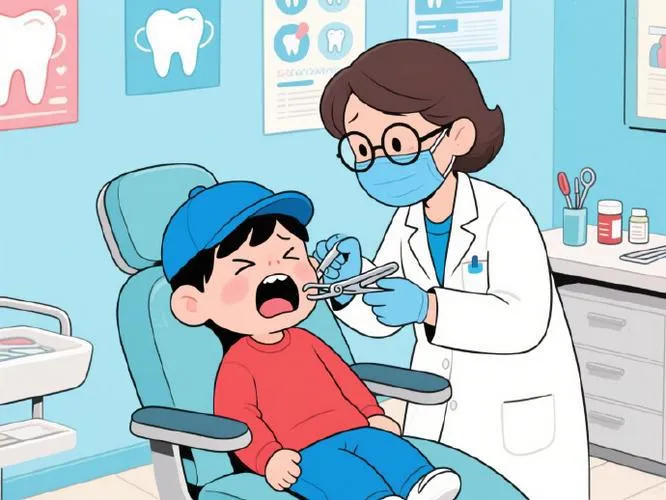
Thailand Pediatric Dentistry Treatment for Early Childhood Tooth Care
Taking care of baby teeth might feel like a small matter, but in Thailand, early childhood tooth care makes a big difference to a child’s speech, chewing, sleep, and even confidence at school. Many Thai parents notice tooth decay starting in nursery or kindy, especially when sweet drinks, sticky snacks, or a bedtime milk bottle become part of the routine. The good news is that Thailand has well-trained pediatric dentists, friendly children’s clinics, and a strong focus on prevention to help little ones keep their smiles healthy.
When to start: first tooth, first birthday
Dentists in Thailand generally recommend bringing your child for a first dental visit by age one, or within six months of the first tooth erupting. This early check is quick and gentle. It helps your baby get used to the clinic, and it gives the dentist a chance to guide you on brushing technique, fluoride toothpaste, and feeding habits. Starting early also means any small issue is found before it turns into pain or infection.
What to expect at a pediatric dental visit in Thailand
Pediatric dentists are experts in treating kids from babies to teens. Clinics in Bangkok, Chiang Mai, Phuket, and other cities often have play corners, colourful walls, and staff trained to make appointments “sanuk” and stress-free. A typical visit may include:
- A friendly “tell-show-do” approach, where the dentist demonstrates tools on a finger or toy first
- A quick check of teeth and gums, looking for early signs of decay or crowding
- Professional cleaning to remove plaque that brushing misses
- Guidance on brushing technique, diet, and bottle or pacifier habits
- A personalised prevention plan, which may include fluoride varnish or sealants
Key preventive treatments for early childhood tooth care
- Fluoride varnish: This is a safe, paint-on fluoride applied to teeth every 3–6 months to strengthen enamel and stop early decay. It’s widely available in children’s dental clinics across Thailand and takes only a minute or two.
- Fissure sealants: Clear or tooth-coloured coatings placed on the chewing surfaces of molars to block food and bacteria from settling in grooves. Great for preschoolers and early primary school kids.
- Silver diamine fluoride (SDF): A minimally invasive option that can stop active decay without drilling. It may darken the decayed area, but it’s very helpful for young children who aren’t ready for fillings yet.
- Individual risk assessment: Thai pediatric dentists consider your child’s diet (kanom, iced drinks, milk before bed), brushing habits, and saliva flow to tailor a prevention plan.
Common treatments if a child already has tooth decay
- Minimally invasive fillings: Using gentle techniques and modern materials to restore cavities in baby teeth with minimal discomfort.
- Stainless steel crowns: Strong, full-coverage caps often used on back baby teeth with larger decay, helping them last until the adult teeth come in.
- Pulp therapy (pulpotomy): If decay reaches the nerve, a pulpotomy can save the tooth, keeping chewing function and space for adult teeth.
- Hall Technique: A kid-friendly method that seals decay under a pre-formed crown without drilling, commonly used in pediatric dentistry.
- Space maintainers: If a tooth is removed early, a small device can hold space to prevent future crowding.
Behaviour guidance a
nd comfort options
Pediatric dentists in Thailand are trained to help anxious little ones. Strategies include short “happy visits,” rewards charts, distraction (cartoons, music), and parent participation. For children who need extra support:
- Nitrous oxide (laughing gas) is available in many clinics for safe, light sedation.
- Oral sedation or general anaesthesia may be arranged in hospital settings for extensive treatment or special healthcare needs, with anaesthetist oversight.
At-home tips for Thai parents
- Brush twice daily with fluoride toothpaste. For under 3s, use a rice-grain smear; for 3–6 years, a pea-sized amount. Help with brushing until at least age 7.
- Night-time matters most. Brush after the last meal or milk. If your child still needs a bedtime bottle, keep it to plain water. Avoid sweetened milk, juice, or tea at night.
- Mind the snacks. Limit sticky kanom, gummies, crispy seaweed, and iced drinks with syrups or condensed milk. Offer water, fresh fruit, plain yoghurt, cheese, and nuts as tooth-friendly choices.
- Rinse or drink water after sweet or acidic foods. This small habit helps a lot in Thailand’s hot weather when kids reach for cold, sweet drinks.
- Lift the lip monthly. Look for white spots near the gumline—these are early signs of decay. If you see them, book a check-up.
Choosing a pediatric dentist in Thailand
Look for a board-certified pediatric dentist (often listed under “pedodontist”) with a child-friendly environment. In major cities, you’ll find clinics with bilingual Thai-English staff, easy access by BTS/MRT, and weekend appointments. Public hospitals and dental schools also run pediatric departments; many public facilities provide affordable services under national health schemes—check eligibility and queue times. Private clinics may offer shorter waiting times, modern facilities, and flexible scheduling. Ask about:
- Experience with toddlers and special needs
- Availability of fluoride varnish, SDF, sealants, and nitrous oxide
- Clear treatment plans, fee transparency in baht, and follow-up care
- Parent presence during treatment and comfort policies
Dental emergencies: what Thai parents should know
- Toothache with swelling or fever: Seek a pediatric dentist or hospital dental department quickly. Avoid placing aspirin on the gum.
- Knocked-out tooth: If it’s a baby tooth, do not put it back. If it’s a permanent tooth (usually after age 6), gently rinse and place it back in the socket or in milk/saline, and see a dentist immediately.
- Broken tooth: Rinse, keep any fragments, and see a dentist. Offer a cold compress for swelling.
Why early care pays off in Thailand
Early Childhood Caries (ECC) is common in Thailand, but it’s preventable. With regular check-ups, fluoride protection, smart snacking, and confident brushing, children can enjoy school, sleep well, and develop good habits for life. Pediatric dentistry isn’t just about fixing cavities—it’s about coaching families, creating positive clinic experiences, and protecting those important milk teeth so adult teeth can come in straight and healthy.
If your child hasn’t had a first dental visit yet, book a short, friendly check-up at a children’s dental clinic near you. Start early, keep it positive, and make tooth care part of your family’s daily routine—your child’s future smile will thank you.