Thailand Pediatric Dentistry Care for Kids With Dental Anxiety
Thailand Pediatric Dentistry Care for Kids With Dental Anxiety
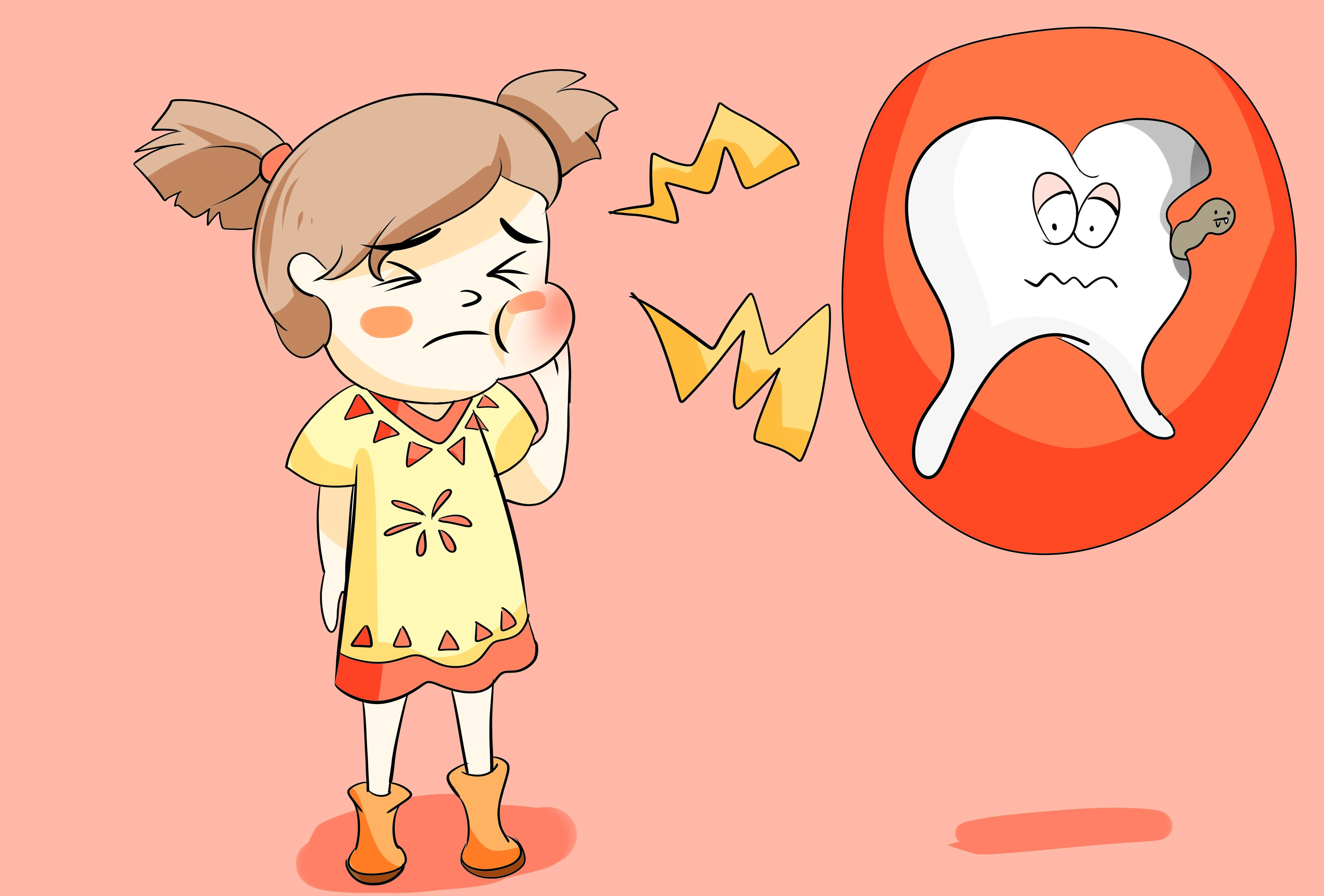
If your little one gets nervous the moment you say “dentist,” you’re not alone. Many kids experience dental anxiety, and in Thailand there’s a strong culture of gentle, family-focused care that can help. From Bangkok to Chiang Mai and Phuket, pediatric dentists blend clinical skill with a sabai-sabai approach that reassures both child and parent. This guide explains how Thailand pediatric dentistry manages dental anxiety, what to expect at appointments, and how to prepare your child for a smooth visit.
Understanding dental anxiety in kids
Dental anxiety is more than just jitters. Children may cry, cling, refuse to open their mouth, or complain of a tummy ache before appointments. Sometimes, it stems from a previous painful experience, a strong gag reflex, or even fear of the unknown. Left unchecked, anxiety can delay treatment, make small cavities worse, and create a cycle of avoidance. The good news? Pediatric dentists in Thailand are trained to break that cycle with empathy, patience, and evidence-based techniques that build trust.
What makes Thailand pediatric dentistry unique
- Warm, child-centered culture: Thai clinicians are known for a calm, polite manner—think a friendly wai and a soft “mai pen rai, we go slowly na krub/ka.” This tone sets the stage for cooperation.
- Purpose-built clinics: Many practices feature play corners, cartoon murals, and Netflix screens on the ceiling. These distractions reduce stress at first sight.
- Specialized training: Board-certified pediatric dentists (Diplomates recognized by the Dental Council of Thailand) complete advanced training, often with additional coursework overseas. They’re skilled in behavior guidance, preventive care, and minimally invasive dentistry.
- Bilingual care: In major cities, you’ll find English-speaking dentists who routinely care for international school families and expats, making explanations easy for parents and kids.
How Thai pediatric dentists manage dental anxiety
- Tell–show–do: The dentist explains in kid-friendly language (“We’re going to tickle your teeth”), shows the mirror or suction, and only then starts. This predictable routine builds confidence.
- Desensitization: For very anxious children, the first visit may be a “happy visit”—just counting teeth, riding the chair up and down, and choosing a sticker. No pressure to finish treatment on day one.
- Parental presence: Depending on the clinic’s policy and the child’s needs, parents may be invited to sit chairside to provide comfort. For some children, brief separation after a warm handover works better. Your dentist will advise what fits your child’s temperament.
- Distraction and play: Ceiling TVs, music, breathing games (“blow up the balloon with your nose”), and small toys help shift attention away from fear.
- Gentle anesthesia: Topical numbing gel, very thin needles, slow delivery, and computer-assisted anesthesia devices reduce discomfort. Many kids are surprised at how little they feel.
- Nitrous oxide (laughing gas): Available in numerous Thai pediatric clinics, nitrous helps kids relax while staying awake and responsive. It wears off quickly and is considered safe when delivered by trained professionals.
- Conscious sedation and hospital care: For extensive work, very young children, or kids with special healthcare needs, dentists may recommend oral sedation or treatment under general anesthesia in a hospital with an anesthesiologist. Safety protocols follow Thai and international standards.
Your child’s first visit in Thailand: what to expect
Arrive a little early to let your child explore the waiting area and settle in. Clinics often provide slippers, kid-sized chairs, and a toy corner. The dentist will take a brief medical and denta
l history, then gently examine the teeth and gums—sometimes on a parent’s lap for toddlers. If X-rays are needed, pediatric settings use small sensors and low-dose machines, with lead aprons for protection. The focus is on building rapport. If your child is anxious, the dentist may suggest a short visit today and book treatment for another day to avoid overwhelm.
How to prepare your child like a pro
- Choose the right time: Book when your child is fresh—after a nap and snack, not during the late-afternoon slump.
- Use positive words: Say “tooth counting” and “tooth cleaning” rather than “injection” or “pain.” Avoid sharing scary stories.
- Practice at home: Play dentist with a soft toothbrush and mirror. Read a picture book or watch a gentle video about going to the dentist.
- Bring comfort items: A favorite soft toy, small blanket, or earbuds with calm music can help.
- Keep it sabai: Kids mirror your energy. A relaxed “okay na krub/ka, we’ll go slowly” tone works wonders.
Prevention first: fewer treatments, less anxiety
Thai pediatric dentistry emphasizes prevention, which is the easiest way to reduce anxiety long-term.
- Fluoride varnish and sealants: Quick, painless procedures that strengthen enamel and protect pits and grooves on molars.
- Diet tips for Thai families: Be mindful with sweet drinks like milk tea, pink sala soda, grass jelly, and flavored yogurts. Offer water between meals and limit sticky sweets. Rinse after treats if brushing isn’t possible.
- Brushing routine: Twice daily with a smear or pea-sized fluoride toothpaste (based on age), plus gentle flossing where teeth touch.
- Regular checkups: Every six months helps catch issues early, making visits short and stress-free.
Choosing the right pediatric dentist in Thailand
- Credentials: Look for pediatric specialists registered with the Dental Council of Thailand. Many list training from Mahidol or Chulalongkorn Universities.
- Anxiety management options: Ask about tell–show–do, nitrous oxide, and sedation protocols.
- Communication: English-Thai bilingual teams can explain steps clearly. For multicultural families, this is a big plus.
- Clinic environment: Child-friendly decor, ceiling screens, and a calm vibe matter.
- Emergency policy: Check how the clinic handles after-hours toothaches or trauma.
- Fees and billing: Typical ballpark ranges in city clinics may be consultation 800–1,500 THB, cleaning 1,200–2,500 THB, fluoride 400–800 THB, sealant 800–1,500 THB per tooth, and nitrous add-on 2,000–3,500 THB per session. Hospital-based general anesthesia is higher. Prices vary by city and clinic, so confirm in advance. Some clinics offer direct billing to international insurers.
Special considerations
- Kids with special needs: Many Thai pediatric dentists have experience adapting appointments with visual schedules, sensory breaks, and extended time. Let the clinic know your child’s needs when booking.
- Dental trauma: If a tooth gets knocked or chipped—common during outdoor play—call the clinic right away. Store a knocked-out permanent tooth in milk and head to care quickly.
- Orthodontic screenings: Early checks (around age 7) can flag bite issues. Interceptive treatments can be planned without stress when dentists already have your child’s trust.
A gentle path forward
Dental anxiety doesn’t have to define your child’s smile. With Thailand’s blend of skilled pediatric dentistry, warm krub/ka communication, and child-friendly clinics, most kids learn to feel safe and even proud in the dental chair. Start with a short, positive first visit, keep the vibe sabai, and choose a team that understands your child’s personality. Step by step, appointment by appointment, confidence grows—and healthy teeth follow.