Thailand Pediatric Dentistry Clinics Offering Comfortable Dental Visits
Thailand Pediatric Dentistry Clinics Offering Comfortable Dental Visits
If you’re raising little ones in Thailand, you already know how important it is to find a kids’ dentist who keeps things calm, friendly, and fuss-free. The good news: Thailand’s pediatric dentistry clinics are well set up for comfortable dental visits, with gentle doctors, child-friendly spaces, and service that makes parents feel at ease. Whether you’re in Bangkok near BTS and MRT lines, in Chiang Mai around Nimman, or in Phuket close to the beach, you can find clinics that focus on positive experiences and healthy smiles.
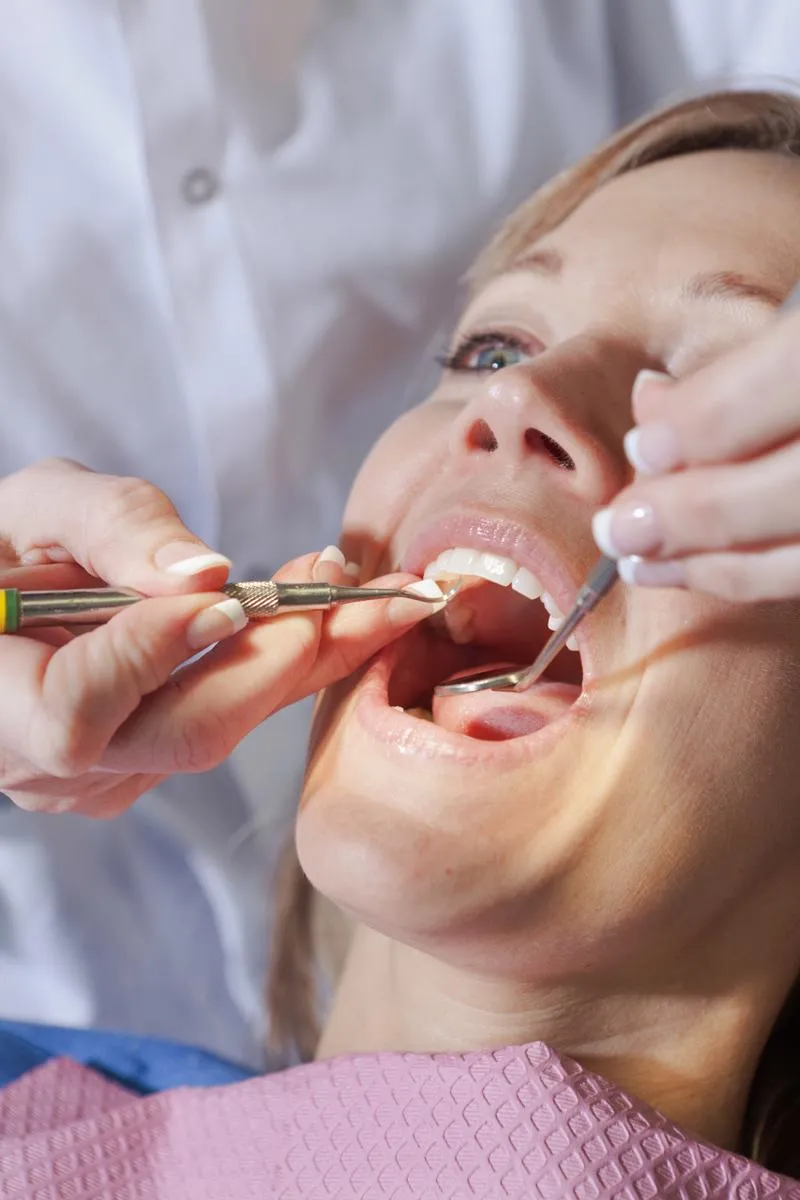
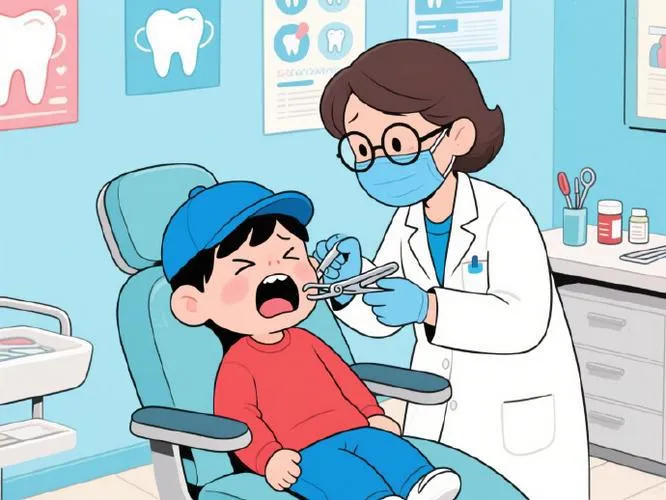
What makes these clinics so reassuring starts from the moment you step inside. Waiting areas usually have air-con, a play corner, and bright, cheerful decor. Many clinics add extra touches like ceiling-mounted TVs showing cartoons, a treasure box for post-visit rewards, and child-sized chairs so everything feels less intimidating. Nurses and dentists speak in simple, friendly language—no scary words—and guide children with the “tell–show–do” approach: explain what will happen, show the tools, then do the treatment step by step. This method reduces anxiety and helps kids build trust from the very first visit.
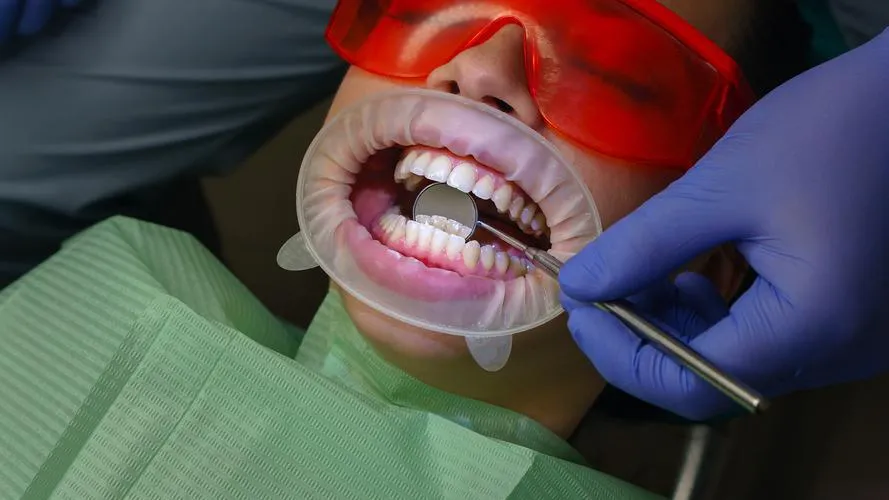
When it comes to treatment, Thai pediatric dentists focus on prevention first. Expect regular check-ups, professional cleaning, fluoride varnish to strengthen enamel, and fissure sealants that protect the grooves of young molars. If your child has early tooth decay, some clinics also offer silver diamine fluoride to stop the cavity in a non-invasive way. Digital X-rays are common, with low radiation and protective aprons, and the dentist will only take images when needed. For kids with habits like thumb sucking, there are gentle habit-counseling techniques and, when appropriate, simple appliances to guide healthier patterns. If spacing or bite concerns show up, early orthodontic assessment helps catch issues before they become complicated.
Comfort is not only about the atmosphere—it’s also about clinical techniques. Local anesthesia is handled carefully, with numbing gel first and slow, gentle delivery so kids usually feel minimal discomfort. Many clinics provide nitrous oxide (also called laughing gas) for mild sedation; children stay awake, breathe through a small nasal mask, and feel relaxed. It’s a safe option widely used for nervous kiddos or longer treatments. For very young children or complex procedures, some clinics partner with hospitals for sedation or general anesthesia under strict protocols. You can ask the dentist to explain sedation choices, monitoring, and recovery time so you feel confident before proceeding.
Thailand’s pediatric dentists are trained and licensed under the Dental Council of Thailand, and many hold Thai Board certification in Pediatric Dentistry or international qualifications. Sterilization and infection control standards are taken seriously: single-use items where appropriate, proper autoclaving of instruments, and clean water lines. If your child has allergies, special needs, or a medical condition, let the team know; clinics are generally experienced in a
dapting care and scheduling extra time so the visit goes smoothly.
Convenience is another reason families appreciate Thai clinics. Many are located in malls or along main roads with parking, and weekend or after-school appointments are common. Booking via phone or LINE is standard, and confirmations are fast. Payment is straightforward—cash, card, and popular e-wallets are usually accepted. If you have dental insurance, check whether the clinic can do direct billing or provide a detailed receipt for claims. For expat families, bilingual dentists and staff are easy to find in larger cities, so explanations are clear and everyone stays on the same page.
How do you choose the right pediatric dentistry clinic in Thailand? Take a quick look at these points:
- Credentials: Is the dentist a pediatric specialist and registered with the Dental Council of Thailand?
- Child-friendly environment: Is there a play corner, gentle communication, and patience from the team?
- Approach to anxiety: Do they use tell–show–do, distraction, and sedation options when necessary?
- Prevention plan: Are recall visits, fluoride, and sealants part of their routine care?
- Transparency: Do you get a written treatment plan, fees, and timelines upfront?
- Safety: What are their sterilization procedures and sedation protocols?
If your child is visiting for the first time, a little prep at home helps. Talk about the dentist in a positive way—“The dentist will help clean your teeth so they stay strong.” Avoid using words like pain or injection. Bring a favorite soft toy, and arrive a bit early so your child can explore the play area and settle in. Morning appointments often work well for younger kids when they are fresh. After the visit, praise the effort and celebrate with a sticker or a fun activity, rather than sweets.
Costs vary by city and the complexity of treatment, but you can expect clear fee estimates once the dentist examines your child. Many clinics offer check-up and fluoride packages and will explain alternatives so you can decide what’s best for your family and budget. Remember, investing in preventive care usually means fewer big treatments later on.
One more tip: try to schedule the first dental visit by the first birthday or when the first tooth comes in. In Thailand, pediatric clinics are used to seeing toddlers and will make it short, sweet, and informative. Early visits build familiarity and let the dentist guide brushing habits, diet choices, and fluoride use that fit the local lifestyle—think frequent fruits, occasional sticky snacks, and how to rinse after sweet drinks. The aim is to make oral care part of daily life, not a once-in-a-while worry.
Thailand’s mix of warm service, modern facilities, and strong pediatric training makes it easier for families to keep dental visits comfortable and stress-free. With the right clinic and a supportive approach at home, your child can actually look forward to seeing the dentist—turning appointments into a sanuk, confidence-building routine that sets up healthy smiles for the long term.