Thailand Pediatric Dentistry Clinics Providing Modern Preventive Care
Thailand Pediatric Dentistry Clinics Providing Modern Preventive Care
Thailand has built a strong reputation for friendly service and high-quality healthcare, and pediatric dentistry is no exception. Across Bangkok, Chiang Mai, Phuket, Pattaya, and regional hubs like Khon Kaen and Hat Yai, clinics are combining a warm, family-centric approach with modern preventive care to keep children’s smiles healthy from the start. If you are a parent in Thailand—local or expat—this guide will help you understand what to expect from pediatric dentistry clinics and how to choose a provider that fits your child’s needs.
What modern preventive care looks like for kids
Pediatric dentistry today focuses on prevention first, treatment second. Thai clinics are increasingly using risk-based check-ups and gentle, minimally invasive techniques. Expect to see:
- Caries risk assessment: Dentists evaluate diet, brushing routine, family history, saliva flow, and early spots on enamel to tailor a prevention plan.
- Fluoride varnish: Applied two to four times a year for higher-risk kids to strengthen enamel and reduce early childhood caries.
- Pit and fissure sealants: Thin protective coatings on the chewing surfaces of permanent molars to guard against decay.
- Silver diamine fluoride (SDF): A proven, quick application that can stop early cavities, useful for toddlers or anxious children.
- Minimally invasive dentistry: Approaches such as the Hall technique for baby molars and conservative fillings that preserve as much tooth structure as possible.
- Early orthodontic screening: Checking alignment and jaw growth, with interceptive options if needed to guide development.
- Sports mouthguards and habit counseling: Protecting teeth during activity and addressing thumb sucking, pacifier use, or mouth breathing.
Many Thai clinics also offer dietary counseling—emphasising that the frequency of sugary snacks and drinks matters as much as the amount. Parents will often receive tips on choosing school snacks, using a straw for occasional sweet drinks, and brushing after the last feed at night.
Child-friendly, Thai-style hospitality
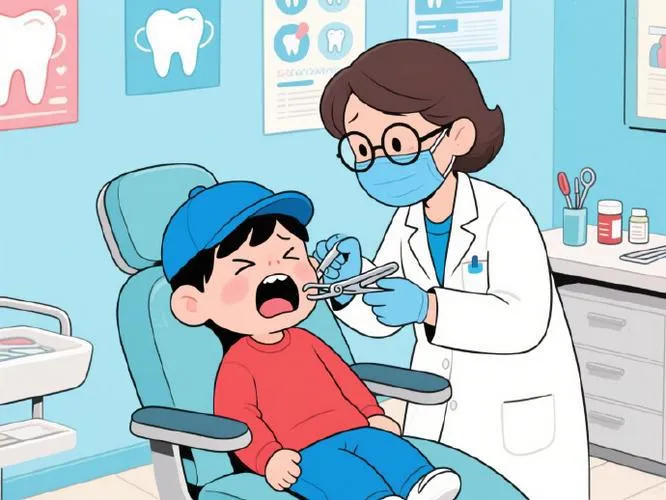
Visiting the dentist does not have to be scary. Pediatric clinics in Thailand are known for colourful, playful interiors, cartoon ceilings, and play areas that reduce anxiety. Staff members are trained in “tell-show-do,” explaining and demonstrating tools before treatment to build trust. You’ll see the Thai “service mind” in action—nurses greeting children with a smile, dentists speaking gently, and parents receiving clear, polite guidance.
Bilingual or multilingual teams are common in Bangkok and major tourist areas, with English widely used and, in some clinics, staff speaking Chinese, Japanese, or Arabic. Many clinics send reminders through LINE or SMS and share post-visit instructions with simple visuals so both kids and parents can follow easily at home.
Technology that helps kids feel safe
Modern pediatric clinics in Thailand invest in equipment that supports comfort and accuracy:
- Digital X-rays with low radiation, often with small sensors for young mouths.
- Intraoral cameras to show parents what the dentist sees and monitor progress over time.
- Laser-assisted procedures for soft tissue care when indicated.
- Teledentistry for quick follow-ups, triage, or oral hygiene coaching when a clinic visit is not convenient.
- Nitrous oxide (laughing gas) or conscious sedation under strict protocols for very anxious children, performed by trained teams with safety monitoring.
First visit by age one
A common message you’ll hear from Thai pediatric dentists is “first visit by first tooth or age o
ne.” Early check-ups help prevent early childhood caries, a major concern in tropical climates where sweet drinks are popular. At this early visit, parents learn brushing techniques, how much fluoride toothpaste to use (a rice-grain smear for toddlers, pea-size from around age three), and how to manage night-time feeding. Regular six-month visits are typical, but higher-risk children may be seen every three to four months.
Public and private options in Thailand
Parents can choose between public hospitals with pediatric dentistry departments and private clinics that focus on kids. Public hospitals often provide preventive care at lower cost, especially for Thai nationals under government schemes coordinated by the National Health Security Office (NHSO). Private clinics, especially in Bangkok, Chiang Mai, and Phuket, tend to offer shorter queues, more flexible hours, and themed environments that children love.
Fees vary by city and provider, but many clinics are transparent about pricing for check-ups, fluoride varnish, sealants, and basic fillings. Social Security may not cover all pediatric dental services, so it is best to confirm benefits in advance. Expat families should check whether their international insurance works cashless or by reimbursement at the chosen clinic.
Choosing the right pediatric dental clinic
These practical tips can help you find a good match:
- Look for board-certified pediatric dentists with experience in behavior management and minimally invasive techniques.
- Ask about their prevention protocols: fluoride schedule, sealant policy, and how they handle early lesions.
- Check if they have child-sized equipment, digital X-rays, and safety standards for sedation if needed.
- Observe the clinic vibe. Is it calm, clean, and welcoming? Are kids smiling as they leave?
- Confirm communication style. Do they provide clear after-care instructions and follow-up reminders on LINE?
- Consider location and traffic. In Bangkok, timing matters; a clinic accessible by BTS or MRT can make regular visits easier.
Home care that supports the clinic’s work
Prevention does not stop at the clinic door. Thai pediatric dentists commonly recommend:
- Twice-daily brushing with fluoride toothpaste appropriate for age.
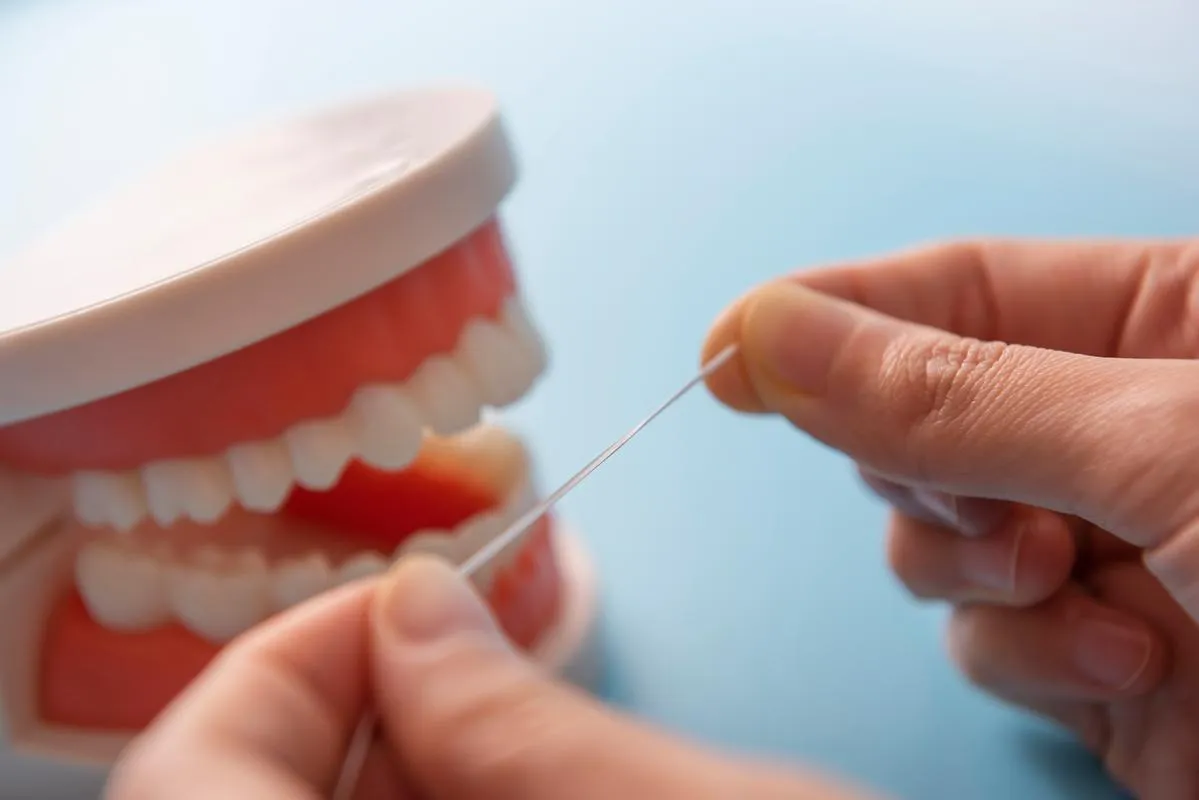
- Starting to floss when teeth touch.
- Limiting sugary drinks—keeping them to mealtimes and plain water in between.
- Choosing school snacks that are tooth-friendly: fresh fruit, cheese, nuts where age-appropriate, and avoiding sticky sweets.
- Using a soft brush, replacing it every three months or after illness.
- Keeping a small oral care kit in the school bag for older kids.
Community and school initiatives
Many provinces in Thailand run school dental check-ups and fluoride rinse programs, especially in primary schools. Parents can ask clinics about community outreach and whether their child’s school partners with local dentists. Some clinics also host weekend workshops where parents learn how to brush a toddler’s teeth effectively and identify early signs of trouble.
A confident start for every child
Thailand’s pediatric dentistry clinics are blending advanced preventive care with the warmth and patience families value. With early visits, personalised risk assessments, and gentle techniques like SDF, sealants, and minimally invasive fillings, children can grow up with strong, healthy teeth—and fewer dental emergencies. Whether you are based in Bangkok or a smaller city upcountry, choosing a child-friendly clinic with a prevention-first mindset will make every check-up smoother and every smile brighter.