Thailand Pediatric Dentistry Clinics Offering Safe Preventive Treatments
Thailand Pediatric Dentistry Clinics Offering Safe Preventive Treatments
If you’re raising little ones in Thailand, you’ll be happy to know that pediatric dentistry clinics here have a strong focus on safe, gentle, and prevention-first care. Across Bangkok, Chiang Mai, Phuket, and provincial towns, many clinics combine modern technology with a sabai-sabai approach that helps kids feel calm and parents feel confident. From fluoride varnish to dental sealants and low-dose digital X-rays, preventive treatments are delivered with careful protocols and child-friendly style.
Why prevention matters in Thailand
Thailand’s love for iced drinks, sweet treats, and sticky snacks can be tough on baby teeth. Early childhood caries is common across the region, and once cavities start, they can spread quickly. Preventive dentistry helps stop problems before they begin, protecting your child’s smile and saving you time and money. Most pediatric dentists in Thailand recommend a first check-up by your child’s first birthday or when the first tooth appears, followed by regular visits every six months. This early start allows the dentist to guide brushing habits, monitor growth, and spot small issues before they turn into pain or infection.
Safe preventive treatments you’ll commonly find
- Comprehensive check-ups: Pediatric dentists look beyond cavities, observing jaw development, bite alignment, spacing, and oral habits like thumb sucking. Many clinics use digital intraoral cameras so parents can see exactly what the dentist sees.
- Gentle cleanings: Professional cleanings remove plaque and tartar in areas kids can’t reach well. Clinics use kid-sized tools and a “tell-show-do” technique to explain each step before touching the teeth.
- Fluoride varnish: This quick paint-on treatment strengthens enamel and significantly reduces the risk of new cavities. It’s widely used, well tolerated, and safe for children when applied at recommended intervals.
- Dental sealants: Thin protective coatings placed on the grooves of back teeth (molars) help block bacteria and food from getting trapped. Many clinics offer BPA-free materials and review ingredients with parents upon request.
- Silver diamine fluoride (SDF): If the dentist finds a soft spot or early cavity, SDF can be used to halt decay without drilling. It often darkens the area, but it’s a safe, non-invasive option when appropriate.
- Low-dose digital X-rays: When imaging is necessary, clinics use modern sensors that minimize radiation and always provide protective aprons and thyroid collars. The decision to take X-rays is individualized and explained clearly to parents.
- Early orthodontic screening: Pediatric dentists may assess bite and jaw growth. If needed, they refer to orthodontists for interceptive care, which can reduce future treatment complexity.
Child-friendly clinics with Thai warmth
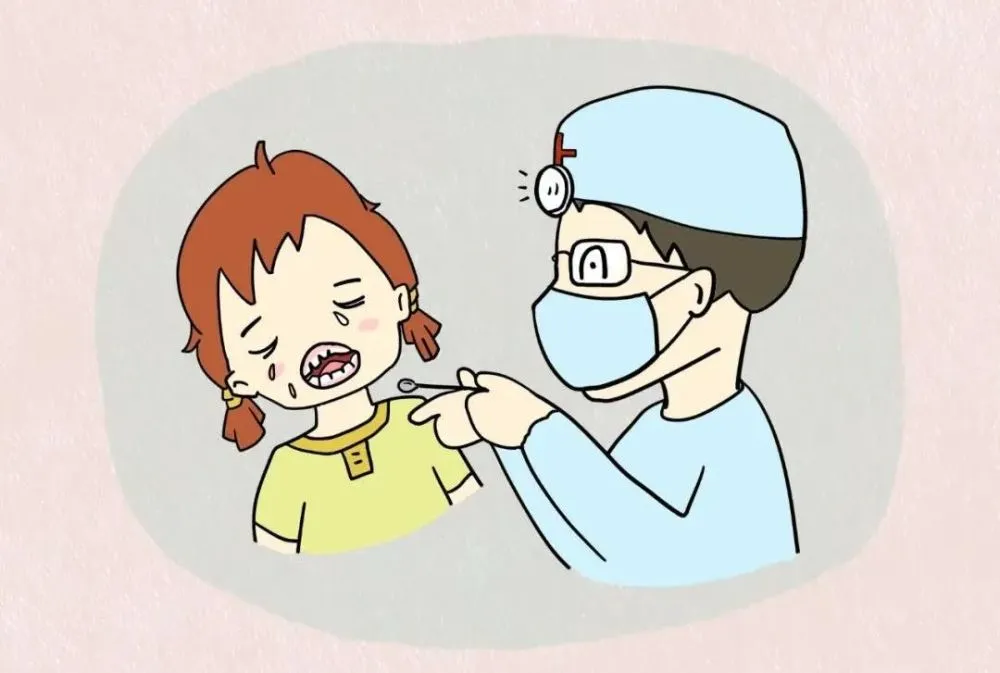
Many pediatric dentistry clinics in Thailand are designed to make visits feel sanuk (fun) for kids. You’ll see play corners, storybooks, and TVs showing cartoons above the dental chair. Staff members speak Thai and English, and they’re trained in child psychology and behavior guidance. Common techniques include:
- Tell-show-do: Demonstrating tools on a finger or stuffed toy before using them in the mouth.
- Positive reinforcement: Stickers, small rewards, and lots of praise.
- Parental presence: Depending on the child’s age and the procedure, clinics may invite parents to stay chairside to comfort their child.
For anxious children, some clinics offer nitrous oxide (laughing gas) delivered via a small nose mask. It’s widely regarded as safe when administered by trained
providers following Dental Council of Thailand guidelines, with proper monitoring and emergency equipment on hand. Your dentist will take a full medical history and explain risks and benefits before proceeding.
Safety standards you can expect
Thailand’s reputable pediatric clinics follow strict infection control and sterilization protocols. Instruments are autoclaved, surfaces are disinfected between patients, and waterlines are maintained according to international standards. You can ask to see the clinic’s sterilization area or policies—good clinics are happy to explain. Dentists and hygienists should display their Dental Council license numbers, and consent forms are standard for any treatment beyond a basic check-up and cleaning.
How to choose a clinic in Bangkok, Chiang Mai, Phuket, or your province
- Location and access: In Bangkok, look for clinics near BTS/MRT or with parking. In other cities, consider proximity to school or home to make regular visits easy.
- Hours that fit your family: Many clinics open after school and on weekends. Some provide emergency slots for toothaches or trauma.
- Communication: Bilingual staff, clear treatment plans, and upfront fees are essentials. A quick chat via Line or Facebook Messenger can help you gauge responsiveness.
- Child-centered environment: Visit for a quick look around. Is it welcoming? Is the team patient and calm with kids?
- Credentials and services: Ask whether the dentist has specialized pediatric training. Check availability of fluoride varnish, sealants, SDF, low-dose X-rays, and behavior guidance options.
Typical costs and payment
Fees vary by city and clinic type (private clinic vs. hospital-based). As a rough guide:
- Check-up and cleaning for kids: 800–2,000 THB
- Fluoride varnish: 500–1,200 THB per session
- Sealants: 800–1,800 THB per tooth
Packages for check-up + cleaning + fluoride are common and can be good value. Many clinics accept cash, credit cards, and PromptPay QR. Some private insurance plans reimburse pediatric dental care—check your policy and request an itemized receipt.
Tips to make your child’s visit smooth
- Book morning appointments when kids are fresh and less hungry.
- Use positive words: “The dentist will count your teeth and make them shiny.” Avoid saying “injection” or “pain.”
- Bring a comfort item, like a small toy or blanket.
- Brush at home before the visit so the dentist can see the gums clearly.
- After fluoride varnish, follow post-care instructions (usually soft foods and no brushing for a few hours).
Home habits that support clinic care
Prevention works best when clinic care and home care team up. In Thailand’s warm climate, kids often sip sweet drinks throughout the day—try to keep sugary beverages to mealtimes and offer water in between. Brush twice daily with fluoride toothpaste (a rice-grain smear for under 3; a pea-sized amount from 3–6), and floss where teeth touch. If your child plays sports, consider a custom mouthguard. And remember: even baby teeth matter. Healthy primary teeth help speech, nutrition, and confidence, and they hold space for the adult teeth coming later.
A final word for parents
Thailand’s pediatric dentistry clinics balance modern safety standards with a friendly, mai-pen-rai vibe that helps children relax. By choosing a clinic that prioritizes preventive treatments, transparent communication, and child-centered care, you’ll set your little one up for a bright, cavity-free smile. Book that first visit early, keep it regular, and let your family’s routine—at home and in the clinic—do the rest.