Thailand Pediatric Dentistry Care for Bright Healthy Smiles
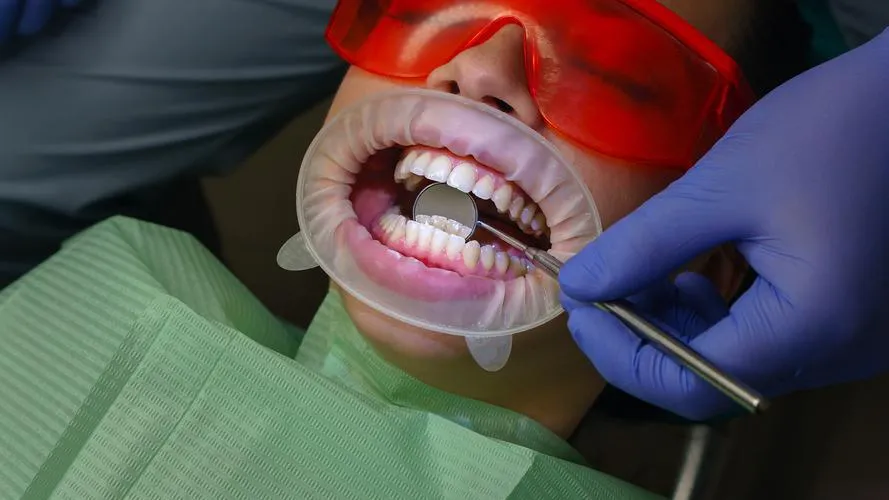
Thailand Pediatric Dentistry Care for Bright Healthy Smiles
If you’re raising kids in Thailand, you already know that a bright smile feels as warm as a Thai wai. Pediatric dentistry here blends gentle care, modern techniques, and a family-friendly vibe, making it easier for children to grow up with strong teeth and confident grins. Whether your family lives in Bangkok, Chiang Mai, Phuket, or upcountry, understanding how children’s dental care works in Thailand will help you make the best choices for your child’s oral health.
Why early dental visits matter
The first dental visit should happen when the first tooth appears or by the first birthday. Starting early allows the dentist to guide you on brushing, diet, and habits, while spotting small issues before they become bigger problems. In Thailand’s warm climate, with easy access to sweet drinks, bubble tea, and traditional snacks, early prevention is extra important to avoid tooth decay in “milk teeth.”
What to expect at a kids’ dental clinic in Thailand
Pediatric dentistry in Thailand is designed to be child-friendly from the first hello. Many clinics offer:
- Fun play corners, cartoons on the ceiling, and gentle “tell-show-do” explanations.
- Bilingual teams (Thai and English), perfect for local and expat families.
- Convenient locations near BTS/MRT stations or in community malls.
- Options like fluoride varnish, dental sealants, and nitrous oxide (laughing gas) for anxious little ones.
- Strict hygiene and sterilization standards, with clinics following Dental Council of Thailand guidelines.
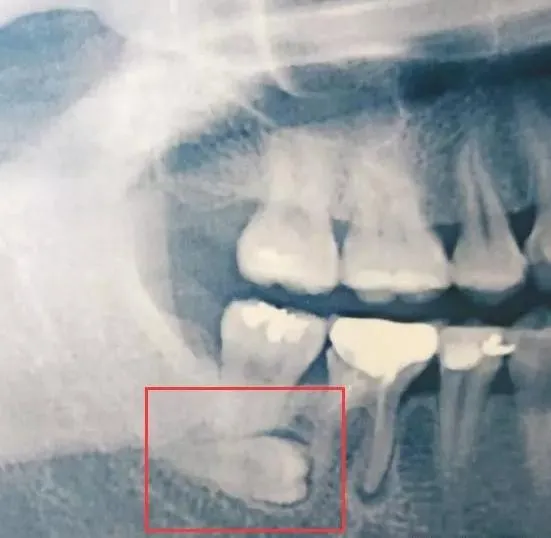
The first visit is usually a simple, no-stress check. The dentist will examine the mouth, gums, and bite, discuss brushing methods, and apply fluoride if needed. For toddlers, a knee-to-knee examination with parents is common and comforting. X-rays are typically reserved for older children or when the dentist suspects decay between teeth.
Daily care for bright smiles
Good habits at home are the backbone of dental health:
- Brush twice a day with fluoride toothpaste. Use a rice-grain smear for under 3 years, and a pea-sized amount for ages 3 and above.
- Start flossing once teeth touch.
- Offer water as the main drink. Limit sweetened beverages like milk tea, chocolate malt, and juices.
- Keep snacks “tooth-friendly” by choosing fruit, cheese, yogurt, rice crackers, or nuts, and saving sweets for mealtimes.
- Rinse with water after sticky Thai treats like khanom or mango with sticky rice.
Preventive treatments that work
Thailand’s pediatric dentists focus heavily on prevention:
- Fluoride varnish strengthens enamel and protects against decay, especially in kids at higher risk.
- Dental sealants placed on the grooves of the first permanent molars (usually erupting at age 6–7) can dramatically reduce cavities.
- Mouthguards are recommended for kids who play contact sports or ride skateboards.
If cavities happen, gentle options exist
Despite best efforts, cavities can still appear, especially on back molars. Your pediatric dentist may suggest:
- Silver diamine fluoride (SDF) to arrest early decay without drilling; it darkens the decayed spot but is safe and effective.
- Tooth-colored fillings or stainless steel crowns for deeper cavities on baby molars.
- Pulp therapy (like pulpotomy) if decay reaches the nerve, helping preserve the tooth until it’s time to naturally fall out.
- Behavior management techniques, nitrous oxide, or in certain cases sedat
ion or general anesthesia in a hospital setting for very young or anxious children.
Choosing the right pediatric dentist in Thailand
A good fit makes all the difference. Consider:
- Qualifications: Look for dentists with training in pediatric dentistry or Thai Board of Pediatric Dentistry certification.
- Location and convenience: Easy access via BTS/MRT or parking, and weekend or after-school hours.
- Language support: Clinics with English-speaking staff if your family prefers it.
- Services offered: Preventive focus, fluoride, sealants, minimal-invasive options, and clear emergency protocols.
- Transparent pricing and insurance handling: Some private clinics support direct billing for international insurance; government hospitals are more affordable but may have longer queues.
Costs and insurance basics
Thailand offers a wide range of options. Government hospitals and university dental schools are budget-friendly and reliable for routine care, while private clinics offer shorter waiting times, more flexible scheduling, and often a more child-focused environment. Prices vary by city (Bangkok tends to be higher), the type of procedure, and the clinic’s facilities. If you have company or international insurance, ask about coverage for preventive visits, fluoride, and sealants. School dental programs and community health centers can also provide check-ups and education.
Orthodontics and habits to watch
Early orthodontic assessments can catch issues before they become complex. Your pediatric dentist can guide you on:
- Stopping thumb-sucking and pacifier use before it affects the bite.
- Managing mouth breathing or tongue-tie concerns with referrals when needed.
- Using space maintainers if a baby tooth is lost too early.
- Timing braces or clear aligner discussions as your child’s permanent teeth erupt.
Dental emergencies: what to do now
Accidents happen, especially during sports or playground time. If a permanent tooth gets knocked out:
- Pick it up by the crown (the chewing part), not the root.
- Rinse gently with clean water. Do not scrub.
- Try to place it back into the socket and have your child bite on gauze. If that’s not possible, store it in cold milk or saline.
- Call your dentist immediately and head to the clinic; time is critical.
For severe toothache, swelling, fever, or trauma to the lips and gums, seek urgent dental care or go to a hospital with dental services.
Seasonal and lifestyle tips for Thai families
- During Songkran and festive seasons, balance sweets with water and brushing after the celebrations.
- Pack a travel kit with a small toothbrush, fluoride toothpaste, and floss for weekend trips or school camps.
- Offer sugar-free gum for older kids after meals when brushing isn’t possible (not for very young children).
- Bring a favorite soft toy to the appointment to help younger ones feel at home.
Building confidence, one visit at a time
With Thailand’s welcoming clinic culture and evidence-based pediatric dentistry, your child can learn to love the dentist. Start early, keep up regular check-ups every six months, and focus on daily habits at home. Pair that with smart preventive care—fluoride, sealants, and safe treatment options—and you set your child up for bright, healthy smiles that last well beyond the school years. In the Land of Smiles, caring for little teeth is part of growing up happy and healthy.