Thailand Pediatric Dentistry Services Designed Around Childrens Needs

Thailand Pediatric Dentistry Services Designed Around Childrens Needs
When families in Thailand think about a visit to the dentist, they don’t just look for a clinic that treats teeth. They look for a place with service mind, a friendly “wai,” and a team who understands how to make the experience sanuk for little ones. Across Bangkok, Chiang Mai, Phuket, and beyond, pediatric dentistry services are thoughtfully designed around children’s needs—combining international standards with the warm, calm, sabai-sabai approach Thai parents trust.
Child-friendly from the moment you arrive
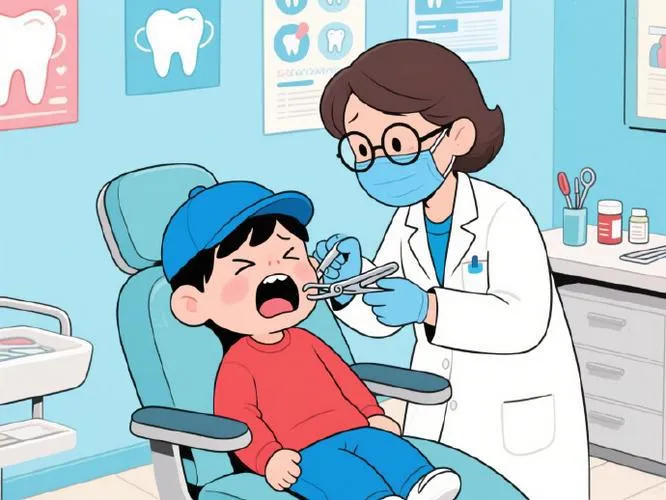
Step into a pediatric clinic in Thailand and you’ll notice the details made for kids: colorful waiting areas, a play corner with books and toys, and cartoons on screens to distract anxious minds. Staff greet your child gently, often crouching down to eye level, speaking softly, and introducing “doctor tools” in simple words. The idea is not just to fix a tooth, but to build confidence and trust—so your child leaves with a big yim (smile) and is happy to come again.
Why baby teeth matter more than many people think
Some parents feel baby teeth are “just temporary.” In fact, primary teeth guide jaw growth, help speech and nutrition, and save space for permanent teeth. Thai pediatric dentists focus on:
- Early prevention: First visit by the first tooth or by age one helps detect early decay (like baby bottle caries), assess oral development, and coach parents on cleaning and feeding habits.
- Gentle cleaning and fluoride: Professional cleanings remove plaque that brushing misses. Fluoride varnish strengthens enamel and reduces cavity risk, especially useful for kids who love kanom (sweets) or iced milk tea.
- Sealants: A thin protective layer on the grooves of molars stops food and bacteria from settling, a common cause of cavities in school-age kids.
- X-rays when needed: Low-dose digital radiographs help spot hidden decay early and monitor tooth eruption. Pediatric dentists explain clearly when and why an X-ray is recommended.
Making dentistry stress-free and comfortable
Behavior guidance is a strong point in Thailand. Dentists use tell-show-do, positive reinforcement, and lots of patience. For children with high anxiety or special needs, options include:
- Topical anesthetic and painless injections with very fine needles for fillings or extractions.
- Nitrous oxide (laughing gas) inhalation to take the edge off fear while keeping your child awake and responsive.
- Hospital-based sedation or general anesthesia for complex treatments, carried out by a pediatric dental team with an anesthesiologist for safety. This is helpful for very young children, those with extensive cavities, or kids with special healthcare needs.
Habits and diet: Practical advice for Thai family life
Daily routine in Thailand often includes tasty kanom, sweetened soy milk, bubble tea, yakult-style drinks, and roti with condensed milk. Pediatric dentists give realistic guidance that fits local habits:
- Keep sweet drinks to mealtimes, not for sipping all day or at bedtime. Water is best between meals.
- For toddlers, avoid putting them to sleep with milk or juice bottles. If milk is needed, finish the bottle, brush, then sleep.
- Use a fluoridated toothpaste (at least 1,000 ppm for young children; 1,450 ppm as they grow). A smear size for under 3; a pea size for 3–6. Encourage spitting, not rinsing, to keep fluoride working.
- Start flossing when two teeth touch. Many Thai clinics demonstrate flossing techniques for parents and older kids.
- Sports? Ask about mouthguard
s—simple protection for football, Muay Thai, basketball, and cycling.
From toddlers to teens: Care that grows with your child
Needs change fast as children grow. Thai pediatric dentists tailor care by age:
- Infants and toddlers: Teething comfort, cleaning routines, thumb-sucking or pacifier guidance, and early cavity prevention.
- Preschool and primary school: Sealants, diet coaching, cavity management with minimally invasive techniques (like silver diamine fluoride when appropriate), and habit counseling (nail biting, grinding).
- Tweens and teens: Monitoring tooth alignment, interceptive orthodontics if the jaw needs guidance, sports dentistry, and wisdom tooth assessments.
Choosing a pediatric dentist in Thailand
Parents here are practical: location matters, traffic is real, and weekend slots are gold. Consider:
- Location and access: Near BTS/MRT or with parking? Clinics along Sukhumvit, Ratchada, Rama IX, and in suburban hubs often offer weekend and after-school appointments.
- Qualifications: Look for a board-certified pediatric dentist (often with postgraduate training in pediatric dentistry) and check if the clinic provides sedation with proper hospital backup when needed.
- Communication: Many clinics have English-speaking doctors and staff. If you prefer communication in Thai, no problem. The team will explain options and costs clearly.
- Infection control and technology: Ask about sterilization standards, digital X-rays, and child-sized instruments.
- Fees and insurance: Public hospitals offer affordable services with longer queues; private clinics provide shorter waiting times and more flexible hours. Many accept international insurance or provide paperwork for claims. Upfront, transparent fees are common—just ask and the staff will clarify nicely.
What to do before your child’s first visit
A little preparation goes a long way:
- Book a morning appointment when your child is fresh and not sleepy or hungry.
- Avoid using the dentist as a threat. Keep the conversation positive: “The doctor will count your teeth and make them shiny.”
- Bring a favorite toy or blanket. Let your child choose a small reward after the visit—make it fun.
- Share any medical history, allergies, and previous dental experiences with the clinic.
Emergency care, just in case
Dental accidents happen—playground falls, football knocks, bicycle slips. Keep these tips handy:
- If a permanent tooth is knocked out, hold it by the crown (not the root), rinse briefly with clean water or saline, and if possible, gently place it back in the socket. If not, store it in milk and head to a dentist immediately.
- If a baby tooth is knocked out, don’t reinsert it—see a dentist to check the area.
- For chipped teeth, bring the broken piece if you can; it may be bonded back.
- Severe toothache, swelling, or fever needs prompt attention. Many Thai clinics offer advice via phone or LINE and can arrange urgent care.
A culture of kindness, a future full of smiles
What truly stands out in Thailand is the blend of high clinical standards with genuine care. Doctors and dental nurses work patiently, celebrate small wins, and respect each child’s pace. Whether your family is Thai or expat, in a big city or upcountry, pediatric dentistry here is built around what children need most—comfort, clarity, and gentle, effective care. With the right start and a supportive clinic, your child can grow up with strong teeth, healthy habits, and a happy attitude to dental visits that lasts a lifetime.