Thailand Pediatric Dentistry Care With Family Oriented Dental Solutions
Thailand Pediatric Dentistry Care With Family Oriented Dental Solutions
Looking after a child’s smile in Thailand is more than just fixing teeth. It’s about creating a safe, friendly space where kids feel relaxed, parents feel informed, and the whole family builds healthy habits together. From Bangkok to Chiang Mai and Phuket, pediatric dentistry in Thailand blends gentle techniques, clear communication, and practical, family-oriented solutions that fit busy Thai lifestyles.
What Family-Oriented Pediatric Dentistry Looks Like In Thailand
- Child-first atmosphere: Clinics often have bright play corners, kid-size chairs, and cartoons on screen to keep things sanuk (fun) and stress-free. Many teams are comfortable speaking both Thai and English, so nothing gets lost in translation.
- Respect and calm: Staff greet with a warm smile and polite approach, giving kids time to settle in. Parents are usually welcome in the room, especially for first visits.
- Convenience that fits your day: Many clinics are located near BTS/MRT in Bangkok or close to schools and community malls, with evening or weekend slots to cut down on the queue.
When Should Kids Start Dental Visits?
Dentists in Thailand generally recommend a first check-up by age one, or within six months of the first tooth. Early visits build confidence, help spot issues before they become painful, and give parents tailored tips. After that, a check-up every six months is the norm, though your dentist may suggest a different schedule based on risk.
Daily Habits That Work In Thailand
Sweet snacks and drinks are part of daily life here—milk tea, sticky rice desserts, and fruit juices are common. You don’t have to ban everything, but small tweaks make a big difference:
- Offer water after sweet treats.
- Keep sugary drinks to mealtimes, not for frequent sipping.
- Avoid putting kids to bed with milk or juice. If they need a bottle, choose plain water.
- Brush twice a day with fluoride toothpaste: a rice-grain smear for under 3; a pea-sized amount from 3+.
- Start flossing when teeth touch; many Thai pharmacies stock easy-to-use floss picks.
Gentle Prevention Is The Core
Pediatric dentists in Thailand focus on prevention before procedures:
- Professional cleanings remove plaque and tartar that brushing misses.
- Fluoride varnish strengthens enamel and reduces cavity risk, especially helpful if a child loves sweet snacks.
- Sealants on the back molars act like a shield against decay.
- X-rays are taken only when needed to check hidden areas; clinics explain the “why” before any imaging.
- Diet guidance that fits your family’s routine and budget, from school lunch ideas to festival seasons like Songkran when sweets are everywhere.
Behavior Guidance That Builds Confidence
The goal is to help children say, “Dentist? No worries.” Techniques you’ll commonly see include:
- Tell–show–do: The dentist explains in simple words, shows tools on a finger or toy, then works gently in the mouth.
- Positive reinforcement: Praise for small wins, sticker charts, and little rewards after the visit.
- Parental presence: For many kids, having a parent nearby adds comfort.
- Nitrous oxide (laughing gas) or conscious sedation only when truly necessary and provided by trained teams following Thai Dental Council guidelines, with proper monitoring and consent.
Common Pediatric Treatments, Explained Simply
Even with great prevention, kids may need care. In Thailand, dentists aim for durable, child-friendly solutions:
- Tooth-colored fillings blend in nicely for front or back teeth.
- Stainless steel crowns are strong for
baby molars with big cavities, helping them last until they naturally fall out.
- Pulp therapy (like pulpotomy) can save a painful baby tooth so your child can chew properly.
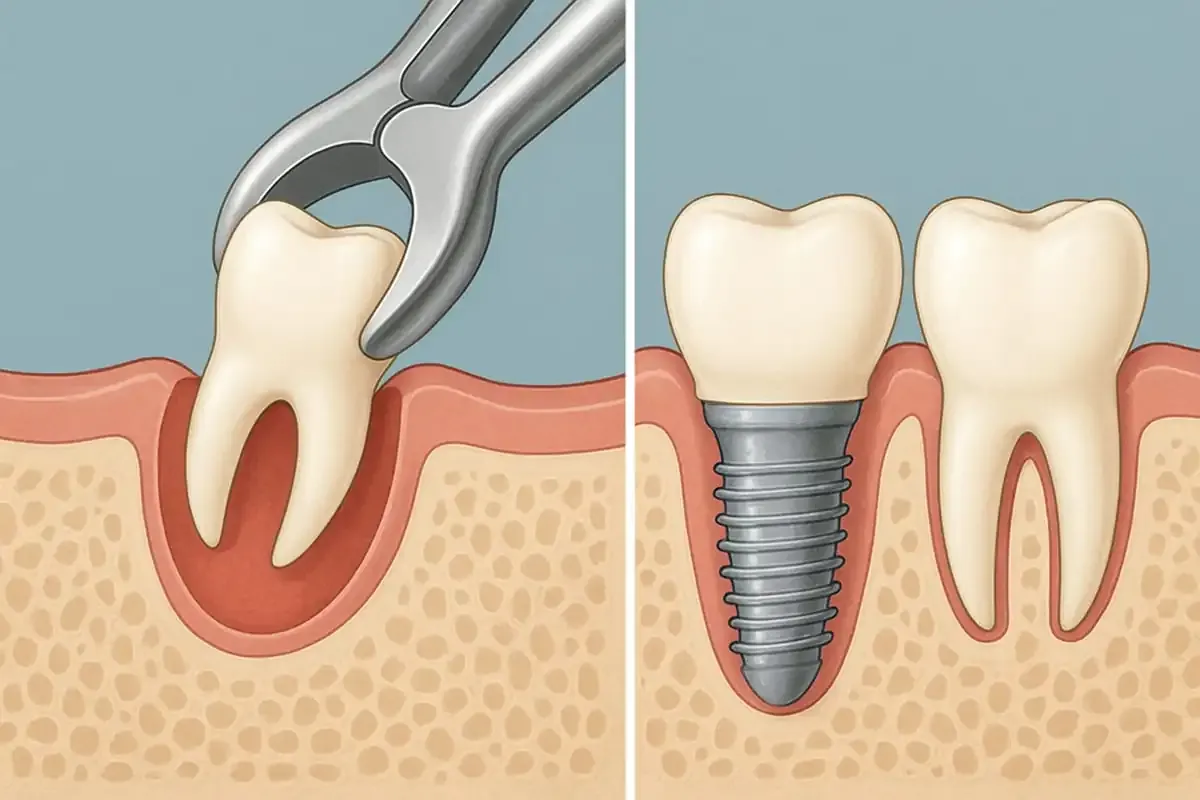
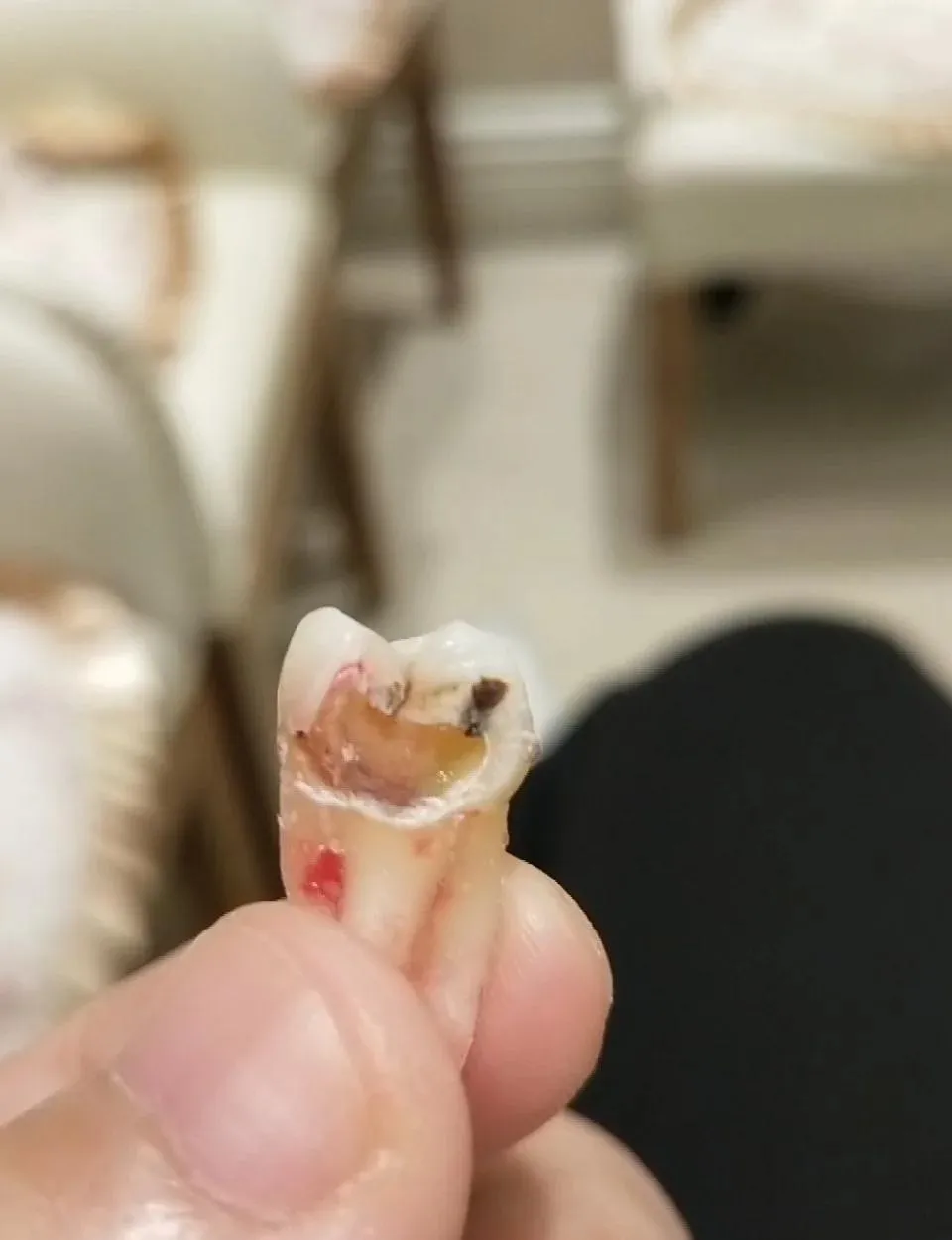
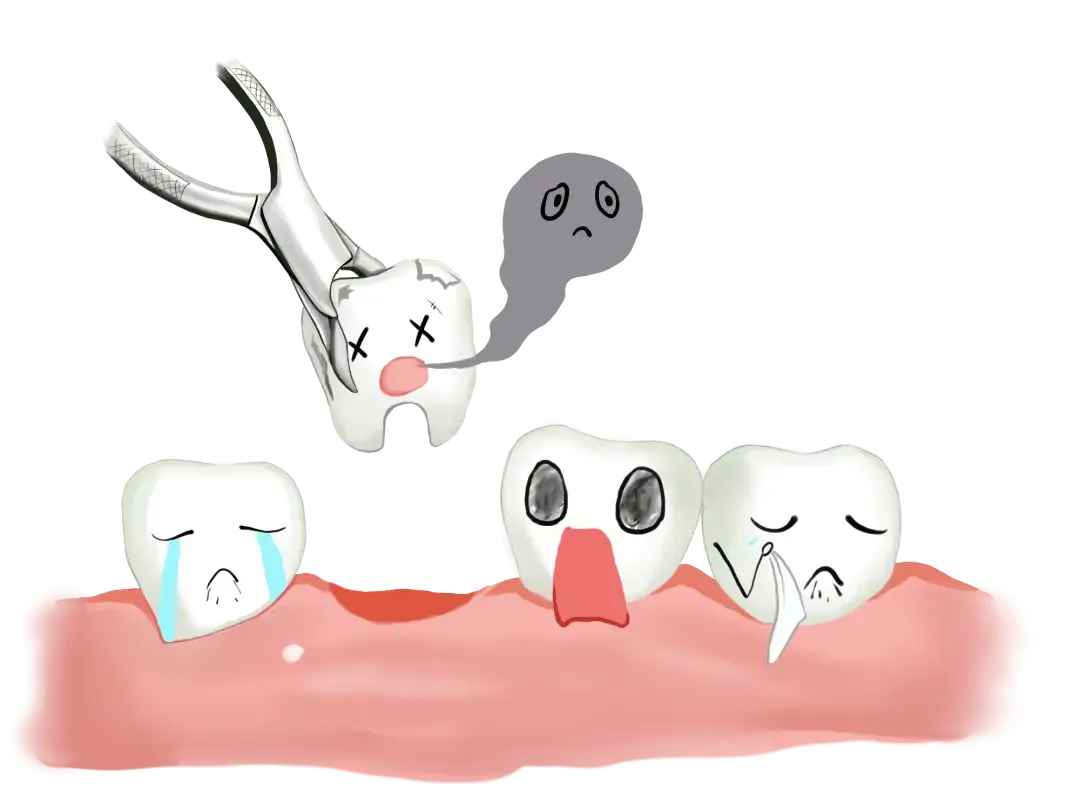
- Extractions are a last resort, and space maintainers may be used to guide proper eruption of adult teeth.
- Habit and growth guidance: Help with thumb-sucking, mouth breathing, or tongue-tie evaluation. An orthodontic check around age seven helps map out future needs.
Support For Children With Special Needs
Family-oriented clinics welcome neurodivergent children and those with medical conditions. You can request:
- Longer or quieter appointments.
- First visit as a “practice run” to get used to the room.
- Desensitization strategies and sensory-friendly tools (sunglasses, weighted blankets, music).
- Barrier-free access and clear treatment plans shared in advance.
Costs, Insurance, And How To Plan
Fees vary across Thailand depending on location and clinic type:
- Public hospitals and university clinics offer more affordable care, sometimes with longer wait times.
- Private clinics provide shorter queues and flexible scheduling, with transparent fee estimates.
- Thai citizens under the Universal Coverage Scheme may access basic dental benefits, though coverage for pediatric specialty treatments and preventive extras can be limited. Social Security and private insurance may cover part of the cost; always check your policy for dental benefits and age limits.
- Many clinics provide itemized quotes and installment options for larger treatment plans, such as orthodontic work.
How To Choose A Pediatric Dentist In Thailand
- Credentials: Look for board-certified pediatric dentists recognized by the Thai Dental Council.
- Safety and sterilization: Ask about autoclave sterilization and see how instruments are handled.
- Rubber dam use: For many procedures, rubber dams help keep the area dry and safe—good practice for kids.
- Clear communication: A written treatment plan with fees, timelines, and alternatives shows the clinic respects your decisions.
- Accessibility: Easy access via BTS/MRT or parking, and appointment hours that fit school and work schedules.
- Emergency readiness: Ask how the clinic handles toothaches, trauma, or after-hours calls.
What To Do In A Dental Emergency
- Toothache: Rinse with warm water, floss gently to dislodge food, and avoid placing aspirin on gums. Call the dentist for a same-day slot.
- Chipped or broken tooth: Save any fragments in milk; see a dentist as soon as possible.
- Knocked-out adult tooth: Pick it up by the crown (not the root), rinse briefly if dirty, and try to place it back in the socket gently. If that’s not possible, keep it in milk or the child’s saliva and get to a dentist within 30 minutes.
- Knocked-out baby tooth: Do not reinsert; see the dentist to check the area and plan follow-up.
Making It A Family Habit
Family-oriented dental care means everyone is part of the solution. Siblings can book check-ups together, parents get practical coaching, and many clinics offer follow-ups via Line or a quick call to check healing after treatment. With steady prevention, gentle techniques, and a warm, Thai-style welcome, children grow up viewing the dental chair as a safe place—one more reason to smile.
Pediatric dentistry in Thailand is not just about today’s cavity; it’s about guiding lifelong habits. Choose a clinic that listens, teaches, and treats with heart, and your family’s smiles will be well cared for from the first tooth to the teenage years and beyond.