Thailand Pediatric Dentistry Clinics With Safe and Comfortable Childrens Care

Thailand Pediatric Dentistry Clinics With Safe and Comfortable Childrens Care
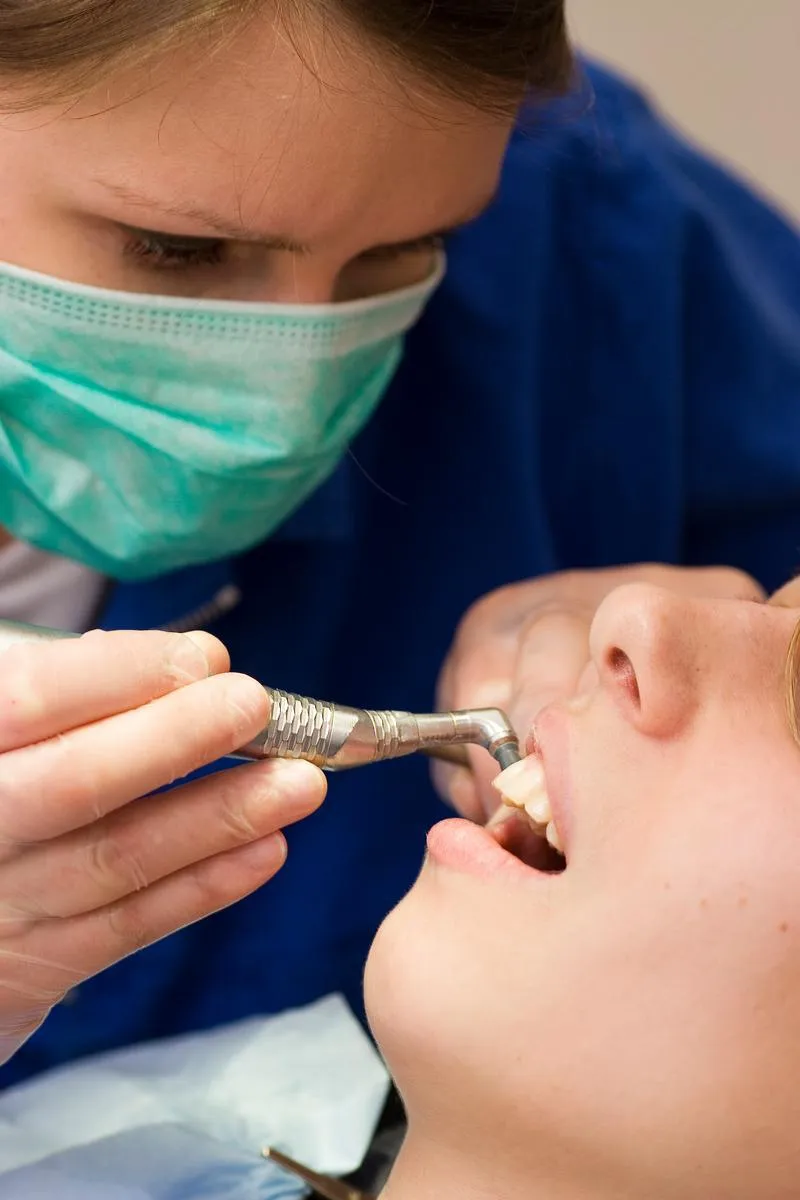
Looking for a gentle, child-friendly dentist in Thailand? Whether you’re in Bangkok, Chiang Mai, Phuket, or Pattaya, pediatric dentistry clinics here focus on safe and comfortable children’s care from the first tooth to the teenage years. Many clinics are led by pediatric specialists (often called pedodontists) who understand kids’ behaviour, baby tooth anatomy, and how to make every visit stress-free for both parents and little ones.
What makes a good children’s dental clinic in Thailand
- Child-centred design: Look for a clinic with a play corner, storybooks, and cartoons on the ceiling or TV. Many clinics let parents sit in during treatment so kids feel secure.
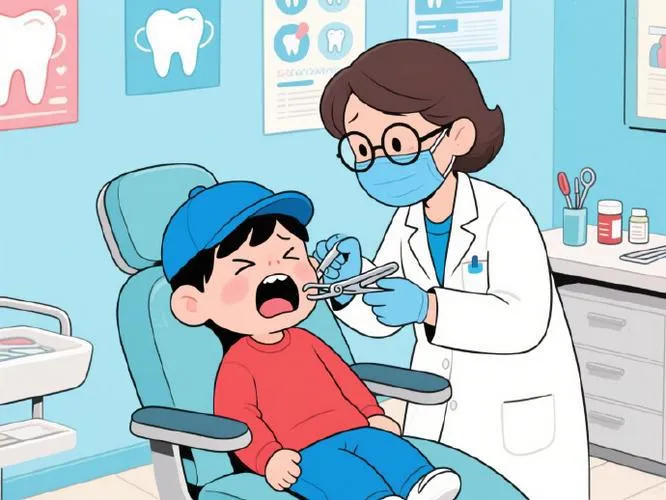
- Gentle doctors and team: Pediatric dentists use “tell-show-do” to explain instruments in kid-friendly language, and they give plenty of positive encouragement.
- Preventive focus: Regular check-ups, fluoride varnish, fissure sealants, and diet coaching are standard to keep cavities away.
- Sedation options when needed: Many city clinics offer nitrous oxide (laughing gas) to reduce anxiety. For very young or special needs patients, some hospitals can provide treatment under general anaesthesia managed by an anaesthesiologist.
- Convenient access: In Bangkok, clinics near BTS/MRT or with parking on the soi make life easier. Many accept bookings via phone, website, Facebook, or Line.
Safety first: sterilisation and infection control
Parents in Thailand can expect international-standard sterilisation in reputable clinics. Instruments are cleaned, packed, and sterilised in Class B autoclaves; many clinics do routine spore tests and track packs by date. You’ll see single-use items (needles, suction tips) opened chairside. Dentists and assistants wear PPE, and units are disinfected between patients. Dental waterlines are maintained to reduce biofilm, and hand hygiene is strictly followed.
For X-rays, clinics commonly use digital systems to minimise radiation. Children wear a lead apron and thyroid collar, and exposure follows ALARA principles. If you have concerns, ask your doctor to explain the indication and expected dose.
Comfort measures that really help kids
- Numbing made easy: Topical anaesthetic gel (often fruit-flavoured) is used before injections. Some clinics use computer-controlled anaesthesia devices to reduce pressure and discomfort.
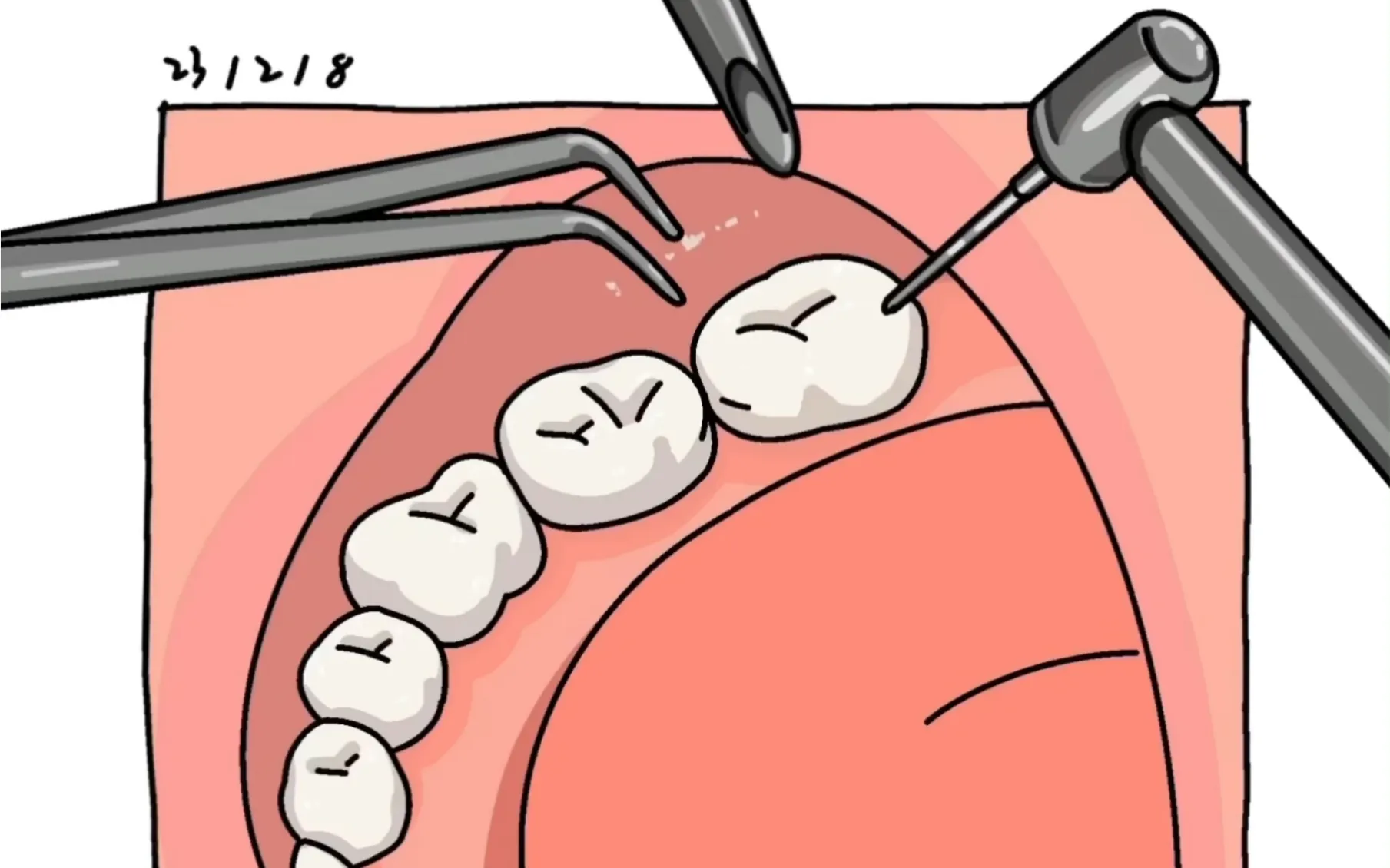
- Rubber dam isolation: A small soft sheet helps keep the tooth dry and protects the mouth during fillings or pulp therapy, making treatment faster and safer.
- Behaviour guidance: Gentle voice control, distraction with cartoons or music, and small breaks keep kids calm. For anxious children, nitrous oxide helps them relax while staying awake.
- Parental presence: Most clinics welcome a parent in the room, especially for first visits and for toddlers.
- Rewards and praise: Stickers or small toys (often sugar-free treats, if any) help build a positive memory of the visit.
Prevention is the heart of pediatric care
To set the foundation, Thailand’s pediatric dentists recommend a “dental home” by the first birthday or within six months of the first tooth. This helps catch early issues like baby bottle tooth decay, common with bedtime milk or sweet drinks. Expect guidance on:
- Cleaning routines: Wipe baby gums, then brush twice daily with a smear of fluoride toothpaste for under 3 years, a pea-sized amount from 3–6 years, and supervise brushing until at least age 8.
- Diet habits: Limit sugary drinks, sticky snacks, and constant grazing. Encourage water (often fluoridated in bottled brands) and balanced meals.
- Fluo
ride and sealants: Fluoride varnish protects enamel; sealants on molars prevent pits from trapping bacteria. In some cases, silver diamine fluoride (SDF) can arrest early decay without drilling.
Common treatments for kids in Thailand
- Tooth-coloured fillings: Glass ionomer or composite fillings blend with the tooth and release fluoride in some materials.
- Pulp therapy and crowns: If decay reaches the nerve, a pulpotomy or pulpectomy may be done, followed by a stainless steel crown for durability on baby molars.
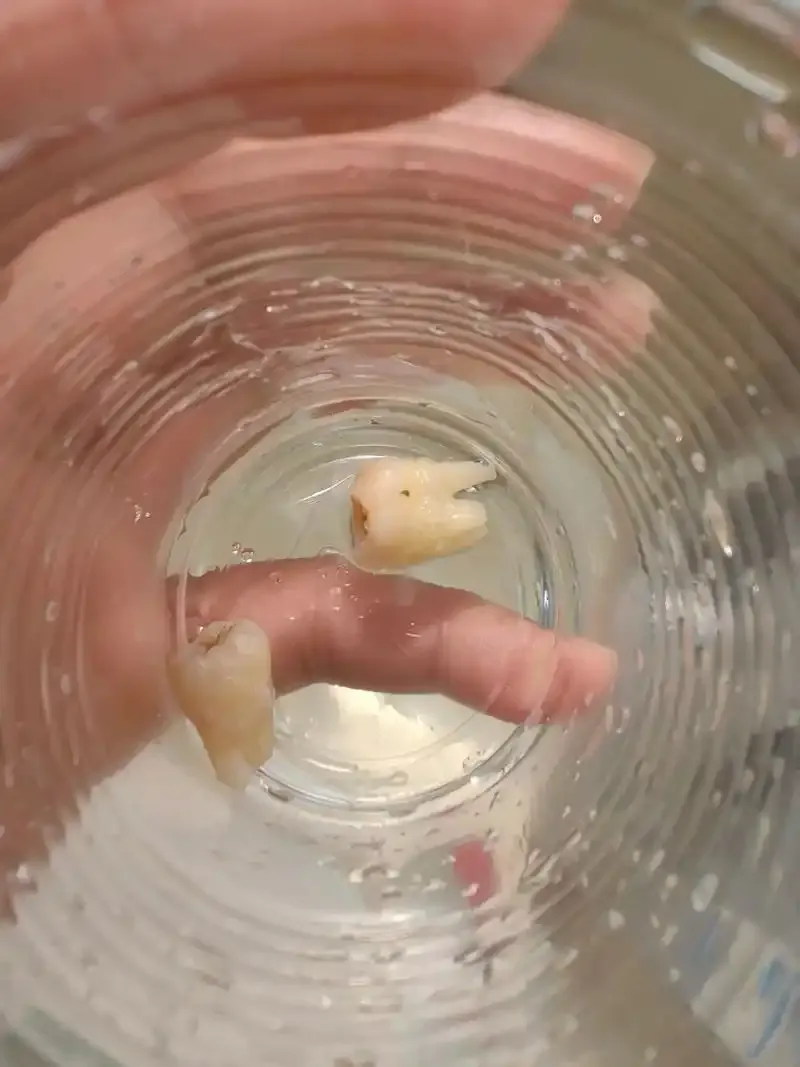
- Extractions and space maintainers: If a baby tooth must come out early, a space maintainer can keep room for the adult tooth.
- Trauma care: Clinics handle chipped or knocked-out teeth. For permanent teeth avulsion, place the tooth in milk or saline and head to the clinic quickly.
- Orthodontics for teens: Many pediatric-focused clinics coordinate early orthodontic screening and refer to orthodontists when needed.
How to choose a pediatric dentist in Thailand
- Location and hours: In Bangkok, check proximity to BTS/MRT (e.g., Sukhumvit, Silom) or parking availability on your soi. Late evening or weekend slots help school families.
- Qualifications: Look for a pediatric dentistry specialist (often with “Dip. Thai Board of Pediatric Dentistry” or equivalent training).
- Communication: Clinics with Thai and English-speaking staff are common; some also offer Mandarin or Japanese support.
- Transparent fees: Ask for a clear treatment plan and estimated costs before starting. Most clinics accept cash, credit card, and PromptPay; some work with private insurance.
- Reviews and referrals: Google Maps ratings and word-of-mouth from international schools or local parents’ groups can be helpful.
What to expect at your child’s first visit
The first appointment is usually short and friendly. The doctor checks teeth, gums, and bite, discusses brushing and diet, and cleans if needed. X-rays may be deferred for very young kids unless clinically necessary. If treatment is required, the clinic will set a plan and explain options, including behaviour guidance or sedation if appropriate.
Timing tips for smooth visits
- Book mornings for toddlers when they’re fresh, and avoid nap times.
- Give a light snack and brush teeth before the appointment. Avoid heavy meals just before nitrous oxide.
- Bring a favourite soft toy or blanket for comfort.
- Try to use positive words; avoid saying “pain” or “injection.” Let the doctor introduce tools in a child-friendly way.
- School breaks (March–April, October) can be busy, so early booking reduces waiting time.
Frequently asked questions
- When should my child first see a dentist? By age 1 or within six months of the first tooth.
- How often should we visit? Every 6 months on average, sooner if your doctor advises for high-risk kids.
- Is fluoride safe? Yes, when used in the correct amount for age. Your dentist will guide toothpaste quantity and professional applications.
- Are X-rays safe for children? Digital X-rays use very low doses, and protection (lead apron, thyroid collar) is standard. X-rays are taken only when needed.
- Can I stay with my child? Most clinics welcome parents in the room, especially for young children.
From Bangkok’s city clinics near BTS to family practices in Chiang Mai and seaside setups in Phuket and Pattaya, Thailand offers pediatric dentistry that blends safety, evidence-based care, and a friendly touch. With the right clinic and routine check-ups, your child can enjoy healthy, happy smiles—and dental visits that feel easy and comfortable every time.