Thailand Pediatric Dentistry Clinics Supporting Healthy Childrens Development
Thailand Pediatric Dentistry Clinics Supporting Healthy Childrens Development
Healthy teeth do more than give a cute smile. For children in Thailand, good oral health supports clear speech, confident social interaction, proper chewing, and overall growth. Pediatric dentistry clinics across Bangkok, Chiang Mai, Phuket, and beyond are designed to make dental care gentle, convenient, and effective for families—so kids can develop well from babyhood through the teen years.
Why pediatric dental care matters early
Baby teeth hold space for permanent teeth, guide jaw growth, and help kids eat and speak. In Thailand, decay in young children is still common due to sweet drinks, bottle feeding at bedtime, and frequent snacking. Dentists here recommend a first dental visit by the first birthday or when the first tooth erupts, followed by check-ups every six months. Early prevention keeps small issues from turning into big treatments.
What makes children’s clinics in Thailand parent-friendly
- Child-centered design: Play corners, cartoons, and colorful rooms help kids feel safe. Dentists use tell–show–do and positive reinforcement to reduce anxiety.
- Trained pediatric dentists: Look for a dentist with specialized training in pediatric dentistry (often with Thai Board certification or university affiliation). They handle toddlers, special-needs children, and behavior management.
- Flexible hours and access: Many clinics open on Saturdays and some evenings. Locations close to BTS/MRT or with parking are common. Walk-ins may be accepted, but booking an appointment to avoid queue time is better.
- Bilingual teams: In larger cities and hospital-based clinics, Thai- and English-speaking staff smooth communication for local and expat families.
- Sedation options when needed: For very young, anxious, or special-needs patients, clinics may offer nitrous oxide (laughing gas) or, in hospital settings, treatment under general anesthesia with a pediatric anesthesiologist.
Prevention first: the Thai context
- Fluoride: Daily brushing with a smear (for under 3) or pea-size (3+) of fluoride toothpaste (1,000–1,450 ppm) is the cornerstone. Because many families drink bottled water with low fluoride, toothpaste becomes even more important.
- Varnish and sealants: Fluoride varnish applications strengthen enamel, and sealants protect molar grooves. Thailand’s school dental programs often offer sealants; private clinics provide them with careful follow-up.
- Silver diamine fluoride (SDF): Increasingly used in Thailand to stop early cavities painlessly, especially helpful for very young children.
- Diet habits: Limit sweetened milk, bubble tea, flavored yogurt, and sticky snacks like caramelized treats or roti dipped in condensed milk. Encourage water between meals and keep sugary items to mealtimes only.
- Bottle and sippy cup: Avoid bedtime bottles with milk or juice. Switch to cups early and clean teeth before sleep.
Common pediatric treatments you’ll find
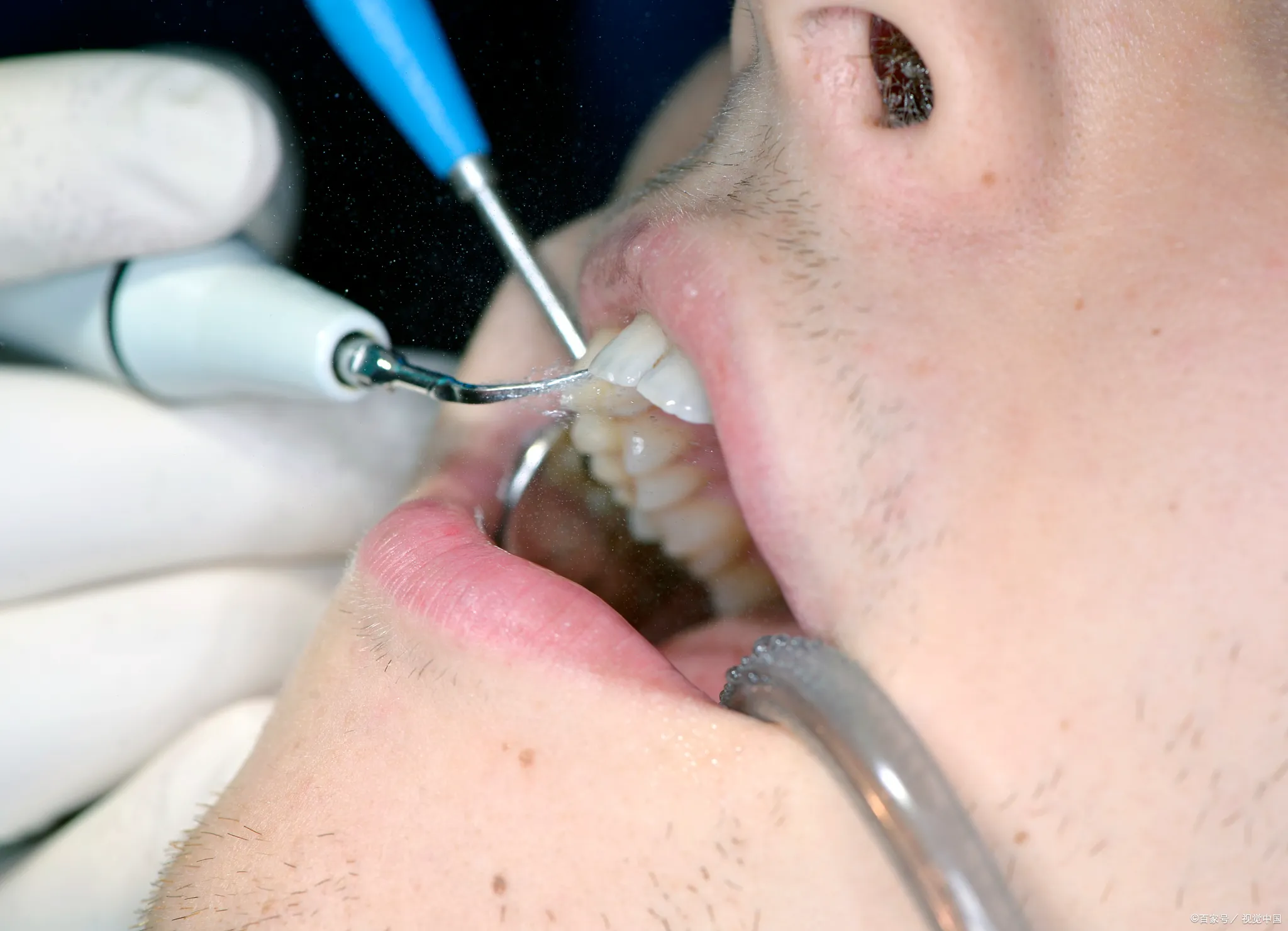
- Gentle cleanings and polish, plaque control, and personalized brushing coaching.
- Tooth-colored fillings and glass ionomer restorations for smaller cavities.
- Stainless steel crowns for heavily decayed baby molars—durable and child-friendly.
- Space maintainers to keep room for adult teeth if a baby tooth is lost early.
- Tongue-tie and lip-tie assessment; laser or surgical release when it affects feeding or speech, with careful post-care.
- Orthodontic screening around age 7; interceptive options like expanders or simple appliances to guide jaw growth.
- Trauma care for playground or sports accidents: splin
ting, nerve testing, and follow-up to protect developing teeth.
How to choose the right pediatric clinic in Thailand
- Credentials and experience: Look for pediatric dentists with postgraduate training or ties to universities such as Chulalongkorn, Mahidol, Chiang Mai, or Prince of Songkla. Board certification is a plus.
- Clinic setup: Observe child-friendly spaces, sterilization protocols, and whether a parent can accompany the child. Ask about behavior guidance methods before agreeing to sedation.
- Services and technology: Digital X-rays with low radiation, rubber dam usage for clean treatment fields, and availability of SDF, sealants, and nitrous oxide.
- Convenience: Online booking via LINE, Facebook, or website; reminder systems; weekend slots; access by BTS/MRT or reliable parking.
- Insurance and payment: Many private clinics accept direct billing for international and local insurers. Thai citizens can access basic pediatric dental care at public hospitals under Universal Coverage (UCS), while Social Security may support dependents depending on the employer’s scheme.
- Cost transparency: Typical private-clinic ranges (subject to change) might be:
- Check-up and cleaning: 800–1,800 THB
- Fluoride varnish: 500–1,200 THB
- Sealant (per tooth): 600–1,500 THB
- Fillings (baby tooth): 1,200–2,500 THB
- Stainless steel crown: 3,500–6,000 THB
- Nitrous oxide per session: 1,500–3,500 THB
Fees at university clinics and government hospitals are often lower but may have longer queues.
Public and university options
Thailand’s dental schools run teaching clinics that provide supervised care at reduced fees—great for routine treatment and preventive services. Government hospitals nationwide offer pediatric dental care under the national health scheme for Thai children, focusing on essentials like fillings, extractions, fluoride, and sealants. For complex cases requiring sedation or multi-specialty care, hospital-based pediatric dental departments in Bangkok and regional centers are a reliable choice.
Home care that fits Thai family life
- Brush twice a day with fluoride toothpaste; supervise until at least age 7–8.
- Use small, soft brushes; replace every three months or after illness.
- Lift the lip weekly to spot white chalky patches near the gumline—early signs of decay.
- Keep snacks to set times; choose fruit, cheese, or nuts over sticky sweets.
- Offer water throughout the day, especially in hot weather, but avoid frequent sipping of sweetened drinks.
- If your child plays contact sports, ask the dentist about a custom mouthguard.
When to see a pediatric dentist urgently
- Swelling on the face or gums, fever related to a tooth, or pain waking the child at night.
- Permanent tooth knocked out: handle by the crown only, rinse gently, reinsert if possible, or place in cold milk or saline and reach a dentist within 30–60 minutes.
- Tooth fractures from falls, playground mishaps, or sports.
Supporting overall development
Regular visits to Thailand’s pediatric dentistry clinics help children chew better, learn clear speech, and smile with confidence. With a prevention-first mindset, family-friendly clinic culture, and skilled pediatric teams, parents here can keep dental care calm and consistent. Book that first visit by age one, keep six-monthly check-ups, and team up with your child’s dentist on habits that work in our local context. Healthy teeth today lay the foundation for strong growth, happy mealtimes, and a confident smile for years to come.