Thailand Pediatric Dentistry Care for Young Patients With Gentle Treatments
Thailand Pediatric Dentistry Care for Young Patients With Gentle Treatments
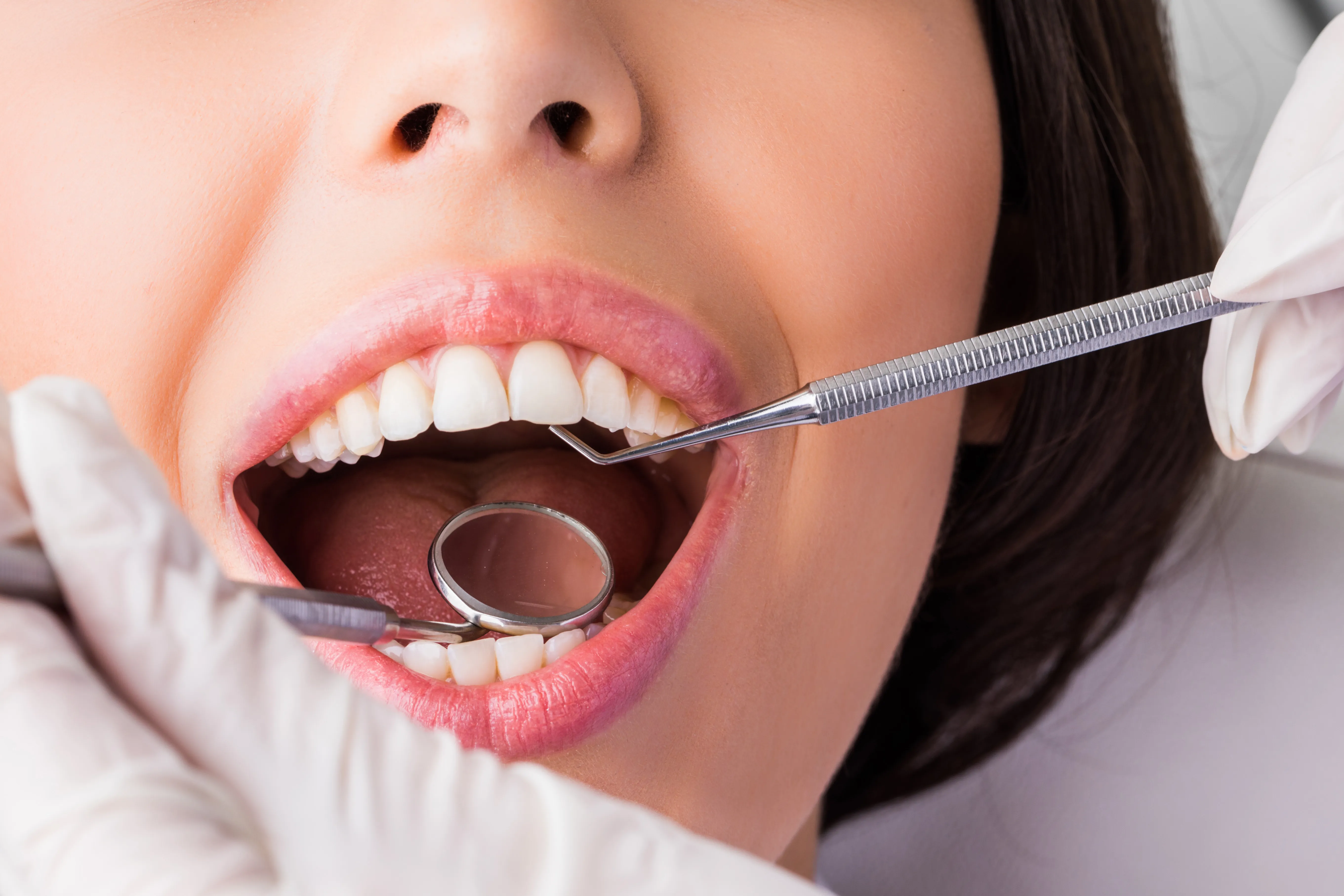
Finding a children’s dentist in Thailand who treats little ones with a soft touch isn’t hard. Across Bangkok, Chiang Mai, Phuket, and many provincial towns, pediatric dental clinics are built around jai yen (calm heart) care—keeping kids relaxed, parents informed, and treatments as gentle as possible. If you’re raising a family here, or you’ve just moved to Thailand, here’s how pediatric dentistry works and how to choose care that feels sabai sabai for your child.
Why early visits matter in Thailand
Baby teeth do more than help kids chew and speak—they hold space for permanent teeth and guide jaw development. The Thai Pediatric Dentistry community generally recommends the first dental visit by age one, or within six months of the first tooth. That’s especially important here because many Thai snacks and drinks—sweetened milk, bubble tea, crispy snacks, sticky rice desserts—can increase cavity risk. Fluoride levels in water vary by area, so dentists often recommend professional fluoride varnish to strengthen enamel.
Gentle treatments, Thai style
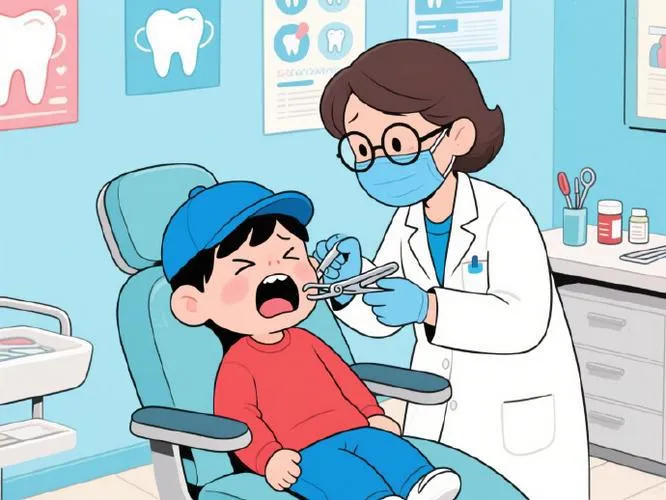
Pediatric dentists in Thailand use a “tell–show–do” approach so children know what to expect, with simple words in English and Thai. Clinics are bright and playful, with cartoons on the ceiling, sticker charts, and quiet corners for shy kids. The aim is to keep it fun (sanuk) and stress-free.
Gentle options commonly used include:
- Topical numbing gel before any injection, and fine needles for minimal discomfort
- Rubber dam “raincoats” to keep teeth dry without water spraying everywhere
- Minimally invasive dentistry such as:
- Silver diamine fluoride (SDF) to arrest early decay without drilling
- Atraumatic Restorative Treatment (ART) using hand instruments and glass ionomer cement
- Hall technique crowns placed over baby molars without injections or drilling in suitable cases
- Nitrous oxide (laughing gas) to reduce anxiety, delivered by trained teams, with quick recovery time
- Child-safe local anesthesia methods and careful dosing based on weight
- For complex cases or very young children, hospital-based general anesthesia with a pediatric anesthesiologist, when clearly indicated
Common pediatric services in Thailand
Most family clinics and specialist pediatric practices provide:
- First visit exams and gentle cleanings
- Fluoride varnish and dietary counseling
- Pit and fissure sealants to protect permanent molars
- Tooth-colored fillings for small to moderate cavities
- Pulp therapy and stainless steel crowns for deep decay in baby molars
- Space maintainers if a baby tooth is lost early
- Management of dental trauma (falls at school, playground bumps)
- Habit counseling (thumb sucking, pacifier, mouth breathing)
- Early orthodontic evaluation around age seven to monitor jaw growth and crowding
How clinics reduce anxiety for young patients
Pediatric teams here pay close attention to behavior guidance. You’ll notice:
- A friendly wai and a warm “Sawasdee krub/ka,” then simple explanations before any step
- Practice runs with a toy mirror or dental model so kids can touch and learn
- Short appointments for first-timers, with breaks as needed
- Choice of flavors for prophy paste and fluoride, and a small prize after the visit
- Parents are usually welcome chairside for comfort; if a child becomes too nervous, the dentist may suggest stepping outside briefly to help the child focus
Choosing the right pediatric dent
ist in Thailand
Quality pediatric dentists are available in big cities and regional centers. Consider:
- Qualifications: Look for a board-certified pediatric dentist (often noted as Diplomate of the Thai Board of Pediatric Dentistry) or postgraduate training in pediatric dentistry.
- Communication: Clear English or bilingual staff if needed, and a doctor who explains treatment in a way your child understands.
- Gentle toolkit: Availability of SDF, sealants, rubber dam, nitrous oxide, and minimally invasive options.
- Sterilization and safety: Visible sterilization protocols and modern equipment.
- Emergency support: How the clinic handles after-hours calls, trauma, or toothaches.
- Location and convenience: Near BTS/MRT in Bangkok or accessible parking; WhatsApp/LINE for reminders and questions.
- Hospital affiliation: Useful for complex cases needing sedation or general anesthesia.
- Reviews and referrals: Ask your child’s school parents group or check local community forums.
Costs and insurance, in brief
Fees vary by city, clinic type, and treatment complexity. Government hospitals and university dental schools generally offer lower-cost care with longer queues, while private clinics focus on shorter wait times and child-centered amenities. Many private clinics provide a written treatment plan with clear Thai-baht pricing before you decide. If you have employer-based or international insurance, ask about direct billing or claim forms. Thai Social Security and government schemes may cover basic services at designated facilities; check eligibility and clinic participation in advance.
Everyday home care tips that fit Thai routines
- Brush twice a day with fluoride toothpaste; from the first tooth, a rice-grain smear; from age three, a pea-sized amount.
- Nighttime milk or sweet drinks are a common cause of early decay—switch to plain water after brushing.
- Limit sticky sweets and frequent grazing; choose fresh fruit, cheese, or nuts as tooth-friendlier snacks.
- Encourage water between meals, especially in hot weather; it helps wash away food acids.
- Use a mouthguard for football, Muay Thai, or skateboarding to prevent front-tooth injuries.
- Keep a small dental kit in the school bag (soft brush and travel paste), and set brushing reminders on LINE for older kids.
- Schedule checkups every six months; some children at higher risk may need three- to four-month intervals.
What to do in a dental emergency
- Knocked-out permanent tooth: Gently rinse if dirty (do not scrub), place it back in the socket if possible, or keep it in cold milk or saline. Get to a dentist within 30 minutes. Do not reinsert a baby tooth.
- Chipped tooth or lip cut: Apply a cold compress and call your clinic for same-day care. Many pediatric dentists hold urgent slots.
- Toothache at night: Rinse with warm salt water, use age-appropriate pain relief if advised by a doctor, and avoid placing aspirin on the gum. Arrange a morning visit.
A final word for parents
Thailand’s pediatric dentists blend evidence-based care with a calm, child-first atmosphere. Whether your family is in Bangkok near the BTS, in Chiang Mai’s old town, or by the beaches of Phuket, you can find gentle treatments that prioritize comfort and long-term oral health. With early visits, minimally invasive options, and clear communication, your child can grow up feeling confident in the dental chair—truly sabai sabai about smiling.