Thailand Pediatric Dentistry Clinics Offering Reliable Preventive Dentistry
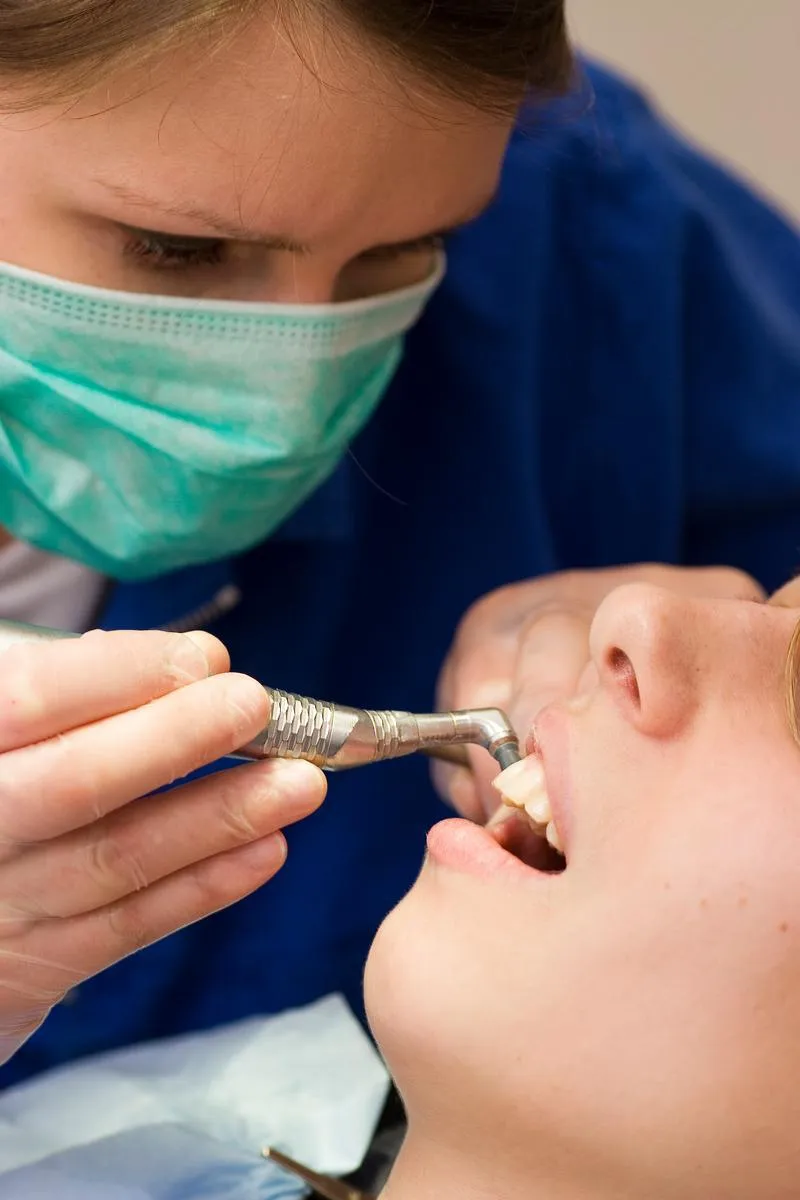
Thailand Pediatric Dentistry Clinics Offering Reliable Preventive Dentistry
If you’re raising little ones in Thailand, you’ll know how easy it is for sugary snacks, milk tea, and after-school treats to sneak into the daily routine. That’s why reliable preventive dentistry is such a big deal here. Across Bangkok, Chiang Mai, Phuket, Pattaya, and beyond, Thailand’s pediatric dentistry clinics are stepping up with child-friendly spaces, trained specialists, and practical guidance that keeps cavities away and smiles bright.
What reliable pediatric preventive care looks like in Thailand
- Child-first environment: Look for a clinic that feels welcoming for kids—bright colours, friendly staff, a play corner, and cartoons on the ceiling. In many clinics, dentists use “Tell–Show–Do” so children know what’s happening before any procedure.
- Licensed pediatric specialists: Dentists licensed by the Dental Council of Thailand and trained in Pediatric Dentistry are best placed to manage early childhood caries, growth and development, and behaviour.
- Strong infection control: Sterilisation protocols (autoclaves, instrument tracking, PPE) should be visible and explained without fuss. Clean, well-organised treatment rooms are a good sign.
- Clear communication: Whether you prefer Thai or English, you should receive straightforward treatment plans, cost estimates, and aftercare instructions. Many clinics are expat-friendly and used to mixed-language families.
- Convenient access: In the cities, clinics close to BTS/MRT or with parking make life easier. Many accept appointments via Line or Facebook, and offer after-school and weekend slots.
Essential preventive services you should expect
- Routine check-ups and cleanings: Twice yearly is the standard for most kids; some may need a 3–4 month recall if they’re cavity-prone.
- Fluoride varnish: A quick, paint-on treatment that hardens enamel and reduces decay risk. It’s safe and ideal for toddlers and schoolkids.
- Pit and fissure sealants: A thin protective coating placed on molars to block bacteria from hiding in grooves. Perfect for permanent molars around ages 6–7 and 11–13, and sometimes baby molars.
- Diet and oral hygiene coaching: Practical tips tailored to Thai diets—how to cut down sticky sweets, manage “milk bottle caries,” and time brushing after acidic foods.
- Habit counselling: Support for thumb sucking, mouth breathing, and night-time bottle use, plus guidance to prevent white spot lesions around braces.
- Space maintainers: If a baby tooth is lost early, a simple appliance can hold the space so adult teeth erupt properly.
- Protective mouthguards: Custom guards for kids in Muay Thai, football, basketball, and skating help prevent trauma.
- Behaviour management and comfort: Nitrous oxide (laughing gas) or minimal sedation may be available when needed, always with proper monitoring and parental consent.
- Growth and orthodontic checks: Early assessment ensures crowding or bite issues are caught at the right time.
How to choose a pediatric dental clinic in Thailand
- Credentials and experience: Ask if the dentist is a pediatric specialist and how often they see children your child’s age.
- Location and access: Near BTS/MRT (e.g., Asok, Siam, Ari) or with onsite parking? For those outside the city, consider clinics near your mooban or local hospital.
- Communication: Confirm your preferred language and whether staff can explain treatment in a calm, child-friendly way.
- Appointment system: Many clinics use Line for bookings and reminders. Ask about waiting times and whether they accept walk-ins for emergencies.
- Transparent fees: A good clinic will provide a clear quotation before treatment. Look for itemised fees for check-ups, fluoride, sealants, and any X-rays.
- Emergency
policy: Kids are active and accidents happen. Check if the clinic can handle dental trauma and how to reach them after hours.
- Reviews and community feedback: Local Facebook groups, Google reviews, and school parent chats are useful for honest opinions.
What to expect at your child’s first visit
The first appointment is usually relaxed—more a “hello” than a big procedure. You’ll fill in a medical history and discuss habits like nighttime milk, snacks, and brushing routines. For toddlers, a quick knee-to-knee exam allows the dentist to inspect teeth while a parent holds the child. Older kids may have a gentle cleaning and, if appropriate, fluoride varnish. If X-rays are necessary (not always on day one), the dentist will explain the why, ensuring safety with child-sized doses and protective shielding. You’ll leave with a personalised prevention plan, which may include sealants for specific teeth, a recall schedule, and practical at-home tips.
Typical costs and payment in Thailand
Fees vary by city and clinic type. Private pediatric clinics usually charge:
- Check-up and cleaning: commonly in the low to mid range for private care
- Fluoride varnish: affordable add-on
- Sealants: charged per tooth
- Nitrous oxide or sedation: additional, depending on duration
Public hospitals and dental schools may offer lower fees, though waiting times can be longer. Many private clinics accept cash, credit card, and QR PromptPay. Some provide receipts in English for insurance claims; a few can direct-bill certain international insurances. If you’re on local schemes (SSS or UCS), benefits are usually tied to contracted facilities, so confirm eligibility in advance.
Home prevention that works in the Thai context
- Brush twice a day with fluoride toothpaste: For under-3s, a smear; for 3–6 years, a pea-sized amount; above 6, a regular amount. Aim for at least 1,000 ppm fluoride and supervise brushing until age 8–9.
- Floss daily once teeth touch: Most cavities start between molars.
- Keep sugar hits to mealtimes: Frequent snacking on sweets, crispy rolls, dried mango, and sweetened drinks raises risk. Offer water instead of juice or sweet tea, especially at night.
- Rinse or wait after sour fruits: After acidic foods like som tam or citrus, wait 30 minutes before brushing.
- Check school programmes: Many Thai schools partner with local dentists for check-ups or sealants—take advantage of these.
- Model calm dental visits: Children mirror parents. Keep visits positive and reward with praise, not sweets.
Where to find trusted pediatric clinics
- Bangkok: Clinics are widely available near BTS and MRT lines, as well as in family-focused neighbourhoods and international school corridors. Search “pediatric dentist Bangkok near BTS” for easy access options.
- Chiang Mai and Chiang Rai: University-linked clinics and private practices provide quality preventive care with bilingual staff.
- Phuket, Pattaya, Hua Hin: Resort areas often have expat-friendly clinics familiar with international insurance and holiday schedules.
- Upcountry cities: Provincial hospitals and private clinics in Khon Kaen, Udon Thani, and Nakhon Ratchasima offer solid preventive services; ask your local hospital dental department for referrals.
The bottom line
Reliable preventive dentistry for children in Thailand is accessible, practical, and family-focused. With regular check-ups, fluoride, sealants, and down-to-earth advice that fits the Thai lifestyle, you can protect your child’s teeth without stress. Choose a clinic that communicates clearly, respects your child’s comfort, and partners with you on small daily habits. Start early, keep it consistent, and those healthy smiles will go the distance.