Thailand Pediatric Dentistry Care for Childrens Healthy Dental Habits
Thailand Pediatric Dentistry Care for Childrens Healthy Dental Habits
Raising kids in Thailand comes with plenty of joyful moments—and looking after those tiny smiles is part of it. Pediatric dentistry in Thailand focuses on prevention, gentle care, and building healthy routines that will last from the first milk tooth to the teen years. Whether your family visits a public hospital in your province or a private clinic near the BTS/MRT, a good start with children’s dental care helps avoid pain, costly treatment, and time away from school.
Why pediatric dentistry matters in Thailand
Healthy milk teeth aren’t “just temporary.” They guide jaw growth, help speech and nutrition, and hold space for adult teeth. In Thailand, tooth decay is common due to frequent snacking and sweet drinks (kanom, milk tea, bubble tea, chrysanthemum tea). The good news: early, regular care and simple habits dramatically reduce cavities.
When to start and how often to visit
- First visit by first tooth or first birthday. Early visits help your child feel comfortable and allow your dentist to spot risks before problems start.
- Check-ups every six months, or more often if your dentist advises.
- Many schools invite dental teams for check-ups, fluoride varnish, and sealants. Use these programs, then follow up at your clinic if needed.
What to expect at a pediatric dental visit in Thailand
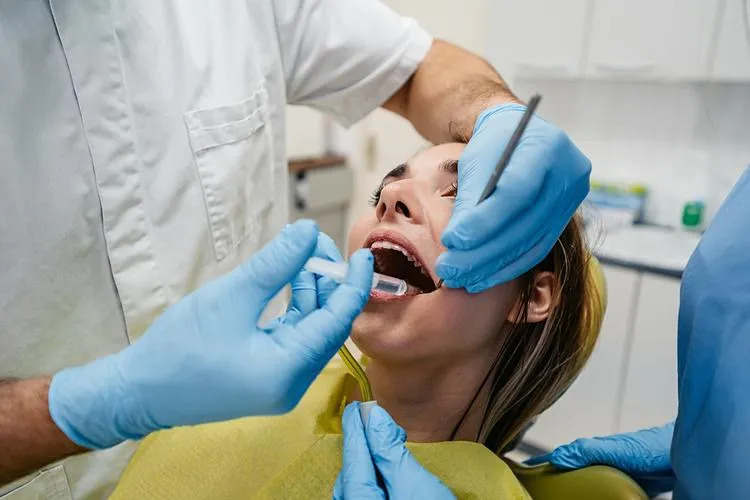
- Child-friendly environment: Pediatric clinics often have play corners and staff trained in “tell-show-do” to reduce fear.
- Preventive care: Cleaning and polishing, fluoride varnish, and dental sealants on the grooves of molars to prevent decay.
- X-rays if needed: Low-dose images to check between teeth or monitor growth.
- Behaviour management: Nitrous oxide (laughing gas) is available at many city clinics; general anesthesia is done in hospitals for extensive cases.
- Special care: Many providers accommodate children with special needs; ask when booking.
Must-know home habits for cavity prevention
- Brush twice daily with fluoride toothpaste. At night is non-negotiable.
- Under 3 years: smear/rice-grain amount.
- Age 3–6: pea-size amount.
- Parents should brush or supervise until at least age 7–8.
- Floss once a day when teeth touch. Most kids need floss from around age 4–5.
- No bottle at bedtime. Milk or sweet drinks at night cause decay. Offer water only, and transition to a cup by 12–18 months.
- Limit sugar frequency. In Thailand, snacking is common. It’s not just how much sugar, but how often.
- Keep sweet snacks to mealtimes.
- Rinse with water after sweets.
- Choose water as the default drink—carry a bottle to avoid sugary options on the go.
- Smart local choices: Fresh fruit like guava, watermelon, and dragon fruit are better than dried mango or tamarind candy. Cheese, yogurt (unsweetened), nuts (if safe for your child), and boiled corn make tooth-friendly snacks. Watch hidden sugars in sauces and “vitamin” drinks.
A note about water and fluoride
Many families in Thailand drink bottled water, which may have little or no fluoride. That makes fluoride toothpaste and professional fluoride varnish even more important. Ask your dentist if your child needs extra fluoride protection or sealants.
Habits that affect the bite
- Thumb sucking and prolonged pacifier use can move teeth. Try to stop by age 2–3. Use positive reinforcement, sticker charts, and gentle reminders (avoid spicy or harsh deterrents).
- Mouth breathing or tongue tie concerns should be assessed by your dentist or ENT early to protect jaw development.
- Bruxism (teeth grinding) is common in kids and often outgrown, but still mention it at chec
k-ups.
Diet tips that fit Thai lifestyles
- Save sweet drinks (milk tea, Thai iced tea, bubble tea, chrysanthemum tea) for occasional treats. If offered, use a straw and drink in one sitting rather than sipping for hours.
- After-school and weekend routines matter. Keep a brush at Grandma’s place or in the car for trips out of town.
- Festivals like Songkran or school fairs bring lots of kanom. Balance with water, crunchy veg, and proper brushing before bed.
Sports, play, and dental emergencies
- Mouthguards: If your child plays football, basketball, or Muay Thai, ask about a custom mouthguard to prevent broken teeth.
- If a permanent tooth is knocked out: Pick it up by the crown (not the root), rinse gently with clean water, and try to place it back in the socket. If that’s not possible, store it in cold milk or saline and go to a dentist or hospital immediately (ideally within 60 minutes). Do not reimplant a knocked-out milk tooth.
- For toothaches or swelling: Seek care promptly—public hospitals and many private clinics offer emergency slots.
Choosing a pediatric dentist in Thailand
- Look for qualifications and experience: Pediatric dentists may hold a Grad Dip/Master’s in Pediatric Dentistry or be Diplomates of the Thai Board of Pediatric Dentistry. Many general dentists are also excellent with kids.
- Location and convenience: Near your soi, with parking, or along BTS/MRT can make regular visits easier.
- Language and communication: Many clinics in Bangkok, Chiang Mai, Phuket, and tourist areas provide English-speaking staff. Ask if they offer treatment plans and costs in writing.
- Child-friendly environment: A welcoming team, gentle approach, and flexible appointment times (not during nap time) make a big difference.
Costs and coverage
- Public options: Under the Universal Coverage Scheme (gold card), children can receive basic dental services at public hospitals and community health centres, including check-ups, fillings, and sealants. School programs also deliver preventive care.
- Private clinics: Fees vary by city and clinic. Expect a consultation and cleaning to be relatively affordable compared to many countries, with fluoride varnish and sealants available at additional cost. Sedation and hospital-based care will cost more.
- Social Security or private insurance: Check your policy for pediatric dental benefits.
A simple routine that works
- Morning: Brush with fluoride toothpaste after breakfast.
- School day: Water as the main drink; keep sweets for mealtimes.
- Evening: Floss, then brush for two minutes before bed. No food or drink (except water) after brushing.
Signs it’s time to see the dentist sooner
- White chalky spots or brown stains on teeth
- Tooth sensitivity or pain
- Bad breath that doesn’t improve with brushing
- Mouth ulcers that don’t heal in two weeks
- Snoring or mouth breathing at night
Growing with your child
From teething to the first wobbly tooth and the arrival of permanent molars around age 6, children’s mouths change quickly. In the pre-teen years, your dentist will monitor spacing and bite; some kids may need orthodontic advice. Staying on schedule with check-ups, keeping sugar under control, and maintaining strong brushing habits will keep those smiles bright.
Thailand offers a wide range of pediatric dentistry options—from community hospitals in Isan to private clinics in Bangkok and Chiang Mai—so it’s easy to find care that suits your family. Start early, be consistent, and work as a team with your dentist. Healthy habits today mean confident smiles for years to come.